


Pakistan UNSC Presidency 2025: In July 2025, Pakistan assumed the presidency of the United Nations Security Council, emphasizing multilateralism, peaceful dispute resolution, and global cooperation with bodies like the OIC.
Pakistan Assumes Presidency of the UN Security Council for July 2025
Significance of the Monthly Presidency
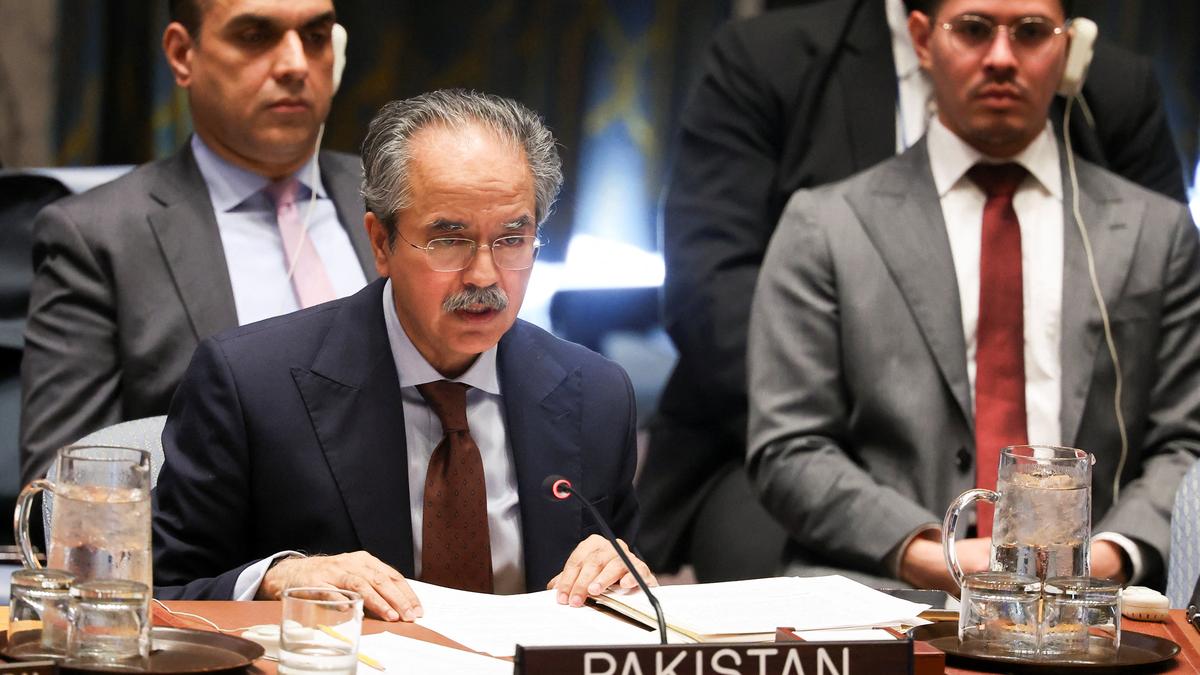
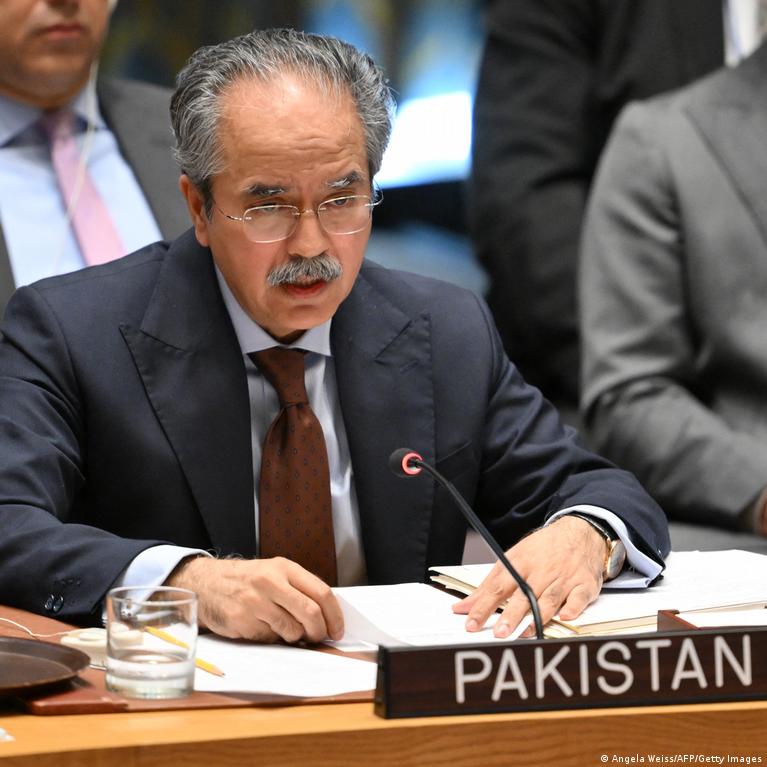
On July 1, 2025, Pakistan took the helm as the rotating President of the United Nations Security Council (UNSC). This prestigious position is part of a monthly rotation among the 15 Council members and is based on English alphabetical order During the tenure, Pakistan, represented by Ambassador Asim Iftikhar Ahmad, guided Council sessions and set the agenda.
Pakistan’s Renewed UNSC Mandate
Pakistan returned to the Council as a non-permanent member in January 2025, securing a strong mandate with 182 out of 193 votes from the UN General Assembly This marks Pakistan’s eighth term and its first presidency since 2013The two-year membership extends until December 2026
Thematic Focus Areas
Under Pakistan’s leadership, the Security Council hosted three signature events:
- July 22: Open debate on Multilateralism & Peaceful Dispute Resolution
- July 23: Ministerial session on Palestine and Civilian Protection
- July 24: Briefing on UN Cooperation with Regional Bodies, featuring the OIC
Deputy PM & FM Muhammad Ishaq Dar chaired the latter two high-level meetings, reinforcing Pakistan’s diplomatic approach
Core Principles and Commitments
Ambassador Ahmad emphasized fulfilling responsibilities with “humility, conviction, transparency, inclusivity, and responsiveness” The agenda stressed adherence to the UN Charter, international law, and multilateral cooperation The Council also pledged responsiveness to global conflicts and humanitarian crises
Broader Committee Engagements
Beyond the presidency, Pakistan chairs UNSC subsidiary bodies—the 1988 Taliban Sanctions Committee, and vice-chairs the 1373 Counter-Terrorism Committee, reflecting its influence on global security issues. However, India and others questioned Pakistan’s suitability for terrorism-related leadership roles
Why This News Is Important
Aligns with Exam Syllabus
The UNSC presidency resonates across syllabus topics for Civil Services, Defence, Banking, Railways, Police, and Teacher exams—especially under International Relations, Current Events, and Global Governance.
Enhances Understanding of Multilateralism
Pakistan’s role underscores the rotating nature of UNSC leadership, promoting multilateral diplomacy, conflict resolution mechanisms, and collaboration with regional bodies like the OIC. This deepens knowledge of international law and global policy-making.
Highlights the Palestine Issue
With a ministerial meeting focused on Palestine and civil–military interventions, the news provides insights into ongoing UN involvement in the Israel–Palestine conflict—helpful for sections on International Organisations and South West Asia Security.
Emphasises Transparency in Diplomacy
Pakistan’s stated commitment to transparency, inclusivity, and action-oriented deliberations showcases procedural and ethical dimensions of UN operations, relevant for questions on diplomacy and global security norms.
Connects Domestic and International Context
This event ties into Pakistan’s domestic foreign policy goals—counter-terrorism, regional stability, and global positioning—offering a useful case study to evaluate foreign policy strategies and their implementation on global platforms.
Historical Context
Pakistan’s UN Engagement
A founding member since 1947, Pakistan has been a recurring UNSC non-permanent member, serving eight times since 1952 t has also been active in UN peacekeeping, notably in Congo (1960) and other hotspots, contributing troops to 41 missions
UNSC Presidency Protocol
As per Rule 18 of the Security Council’s Provisional Rules of Procedure, the presidency rotates monthly among members, guided by alphabetical order. Pakistan’s term began in July 2025
Committee Leadership Roles
Pakistan’s Chair position in the 1988 Taliban Sanctions Committee and vice-chair role in CTC (1373) stem from its non-permanent membership These roles are typical assignments of elected (non-permanent) members, although responses vary based on geopolitical context.
Geopolitical Landscape
The backdrop includes tensions between Pakistan and India, particularly concerns over Pakistan’s terrorism handling—evident in criticisms of Pakistan’s UNSC appointments by India’s leadership
Key Takeaways from Pakistan’s UNSC Presidency
| S. No. | Key Takeaway |
|---|---|
| 1. | Pakistan holds the UNSC presidency for July 2025, a role that rotates monthly among Council members |
| 2. | Pakistan earned a strong mandate, being elected with 182/193 votes for a two-year term starting January 2025 |
| 3. | Key priorities include multilateral dispute resolution, the Palestine situation, and UN cooperation with regional bodies like the OIC |
| 4. | Pakistan leads the 1988 Taliban Sanctions Committee and vice-chairs the 1373 Counter-Terrorism Committee, extending its influence on global security |
| 5. | India and other critics raised concerns about Pakistan’s roles in UNSC’s counter-terrorism agenda, claiming conflicts of interest |
Frequently Asked Questions (FAQs)
1. What is the United Nations Security Council (UNSC)?
The UNSC is one of the six principal organs of the United Nations responsible for maintaining international peace and security. It consists of 15 members—5 permanent and 10 non-permanent.
2. How is the presidency of the UNSC decided?
The presidency of the UNSC rotates monthly among its members in alphabetical order of the member states’ English names.
3. How many times has Pakistan been a member of the UNSC?
Pakistan has served as a non-permanent member of the UNSC eight times since 1952.
4. What are the key issues Pakistan focused on during its presidency?
Pakistan’s presidency emphasized multilateral conflict resolution, the protection of civilians in Palestine, and UN cooperation with regional organizations like the OIC.
5. Why is Pakistan’s role in terrorism-related UNSC committees controversial?
India and other countries have expressed concerns due to Pakistan’s history with cross-border terrorism and alleged support to extremist groups, raising doubts over its neutrality.
6. What is the 1988 Sanctions Committee?
This committee monitors sanctions imposed on individuals and entities associated with the Taliban, under UNSC Resolution 1988.
7. What is the tenure of a non-permanent UNSC member?
Each non-permanent member serves for two years without the possibility of immediate re-election.
Some Important Current Affairs Links