




Savitribai Phule Institute Renaming of NIPCCD marks a key step in strengthening women and child development through regional training centres like the new Ranchi hub. Learn about key schemes and exam-relevant facts.
Savitribai Phule Institute: Strengthening Women & Child Development
Renaming the Apex Institute
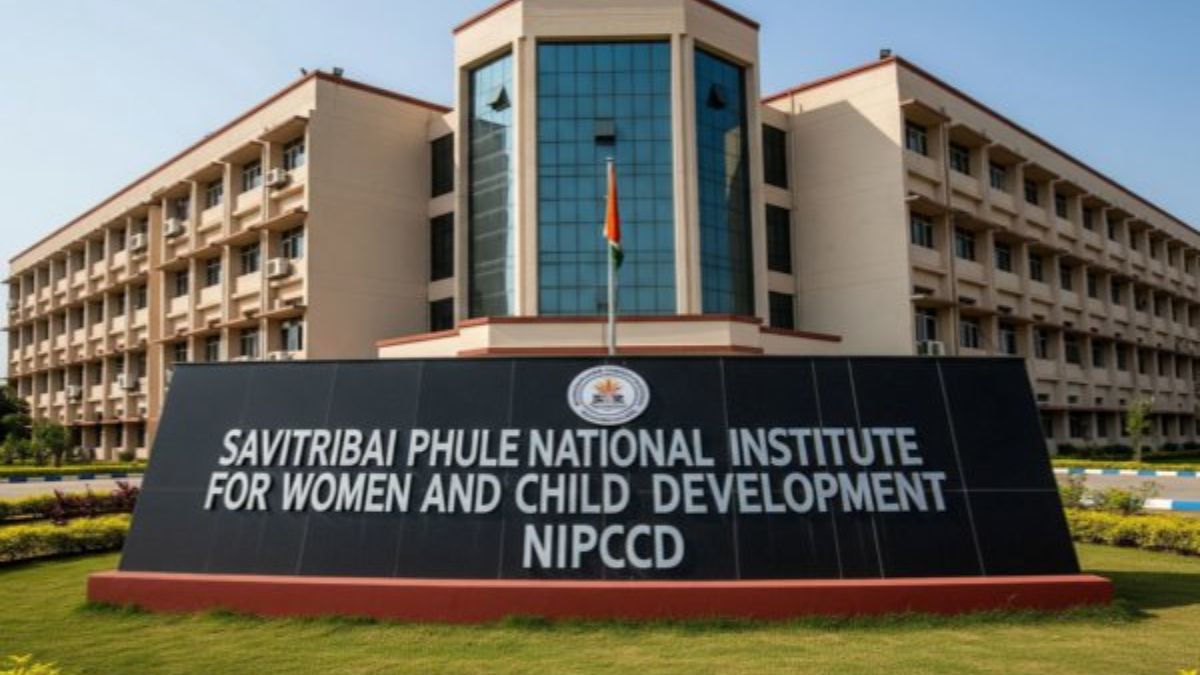
The government has officially renamed the National Institute of Public Cooperation and Child Development (NIPCCD) to the Savitribai Phule National Institute of Women and Child Development. This change, effective June 19, 2025, was announced via a gazette notification under sections 12 and 12A of the Societies Registration Act of 1860 The renaming honors Savitribai Phule, a pioneering 19th-century social reformer and India’s first female teacher, reinforcing the institute’s focus on women’s empowerment
A Tribute to Savitribai Phule’s Legacy
Named after Savitribai Phule, a trailblazer who championed women’s education and social justice, the institute’s new identity reflects a profound commitment to her ideals. It serves as a powerful reminder of India’s long-standing struggle for gender equality and access to education .
Focus on Decentralized Training
The institute, headquartered in New Delhi, previously operated regional centres in Bengaluru, Guwahati, Lucknow, Indore, and Mohali On July 4, 2025, a new regional centre will open in Ranchi, focusing on the Eastern region—Jharkhand, Bihar, Odisha, and West Bengal. This move addresses logistic challenges and ensures region-specific training for over 700,000 frontline workers under flagship schemes like Mission Shakti, Mission Vatsalya, Saksham Anganwadi, and Poshan 2.0
Expanded Training & Research Focus
The new Ranchi centre will offer advanced diploma courses in child guidance and counselling, along with training programs on child development, adolescent mental health, and women empowerment. It will serve as a hub for research, documentation, and customized interventions that address local needs
Strengthening Grassroots Outreach
The decentralization is a strategic effort to support last-mile delivery of services. The institute aims to empower local functionaries, improve resource utilization, and foster inclusive growth by identifying regional issues and tailoring interventions accordingly

Why This News Matters
Aligns with Exam Syllabus & Governance Objectives
This development is directly relevant to aspirants preparing for civil service and other government exams, as it reflects the Indian government’s commitment to gender-centric governance, institutional restructuring, and grassroots capacity building—key components of the Polity & Governance and Social Justice sections.
Highlights Institutional Reforms
The renaming and expansion signal administrative reform, showcasing how governments can realign institutions to reflect societal values and promote efficiency. Knowledge of institutional changes is essential for the General Studies Paper II.
Enhances Understanding of Women & Child Welfare
Understanding flagship schemes—Mission Shakti, Vatsalya, Saksham Anganwadi, and Poshan 2.0—is crucial for exams in sectors like teaching, banking, railways, and civil services. This news reflects efforts to improve these schemes via capacity-building frameworks.
Indicator of Decentralization Strategy
The Ranchi centre exemplifies decentralization in action. Case studies like this help illustrate Centre-State coordination, federalism, and inclusive development—important for Polity, Governance, and Essay papers.
Reflects Gender Equality Commitment
Savitribai Phule’s legacy embodies empowerment and education for women. The renaming underscores national priorities on gender equality, pivotal for Social Justice, Ethics, and Women Empowerment questions in exams.
Historical Context
Savitribai Phule: Pioneer of Women’s Education
Born in 1831, Savitribai Phule was India’s first female teacher and, along with her husband Jyotirao Phule, opened the country’s first school for girls in Pune. She fought against caste and gender barriers, establishing shelters for widows and campaigning for women’s rights. This naming links this legacy to modern institutional frameworks.
NIPCCD’s Evolution Since 1966
Established on February 28, 1966, NIPCCD was tasked with training, research, and capacity-building in public cooperation and child development. Over decades, it developed multiple regional centres to support women and child welfare across India.
Decentralization through Regional Centres
Prior to Ranchi, regional centres in Guwahati and Lucknow served eastern states. However, vast distances limited access. The new Eastern centre marks a shift toward decentralization and more effective regional outreach.
Institutional Renaming Trends
Indian institutions (e.g., University of Allahabad to Prayagraj University, PUSA to Atal Bihari Institute) have often been renamed to honor historical and cultural icons. This trend reflects broader cultural and political efforts to re-centre national identity with inspirational figures.
Key Takeaways from Savitribai Phule Institute Renaming
| # | Key Takeaway |
|---|---|
| 1 | Renaming effective June 19, 2025: NIPCCD is now Savitribai Phule National Institute of Women and Child Development. |
| 2 | New regional centre in Ranchi: Operational from July 4, 2025, to serve Jharkhand, Bihar, Odisha & West Bengal. |
| 3 | Focus on flagship schemes: Training support for Mission Shakti, Mission Vatsalya, Saksham Anganwadi & Poshan 2.0. |
| 4 | Advanced diploma: Centre will offer child guidance & counselling programs. |
| 5 | Decentralized capacity building: Over 7 lakh frontline workers will benefit from localized training and interventions. |
FAQs: Frequently Asked Questions
1. What is the new name of NIPCCD?
The National Institute of Public Cooperation and Child Development (NIPCCD) has been renamed as the Savitribai Phule National Institute of Women and Child Development.
2. Why was NIPCCD renamed after Savitribai Phule?
The renaming honors Savitribai Phule, India’s first female teacher and a 19th-century social reformer who championed women’s education and empowerment.
3. Where is the new regional centre of the institute located?
A new regional centre has been inaugurated in Ranchi, Jharkhand, to cater to eastern Indian states like Bihar, Odisha, Jharkhand, and West Bengal.
4. Which government schemes will be supported through this institute?
The institute will support Mission Shakti, Mission Vatsalya, Saksham Anganwadi, and Poshan 2.0 through decentralized training and capacity building.
5. Why is this renaming relevant for government exams?
It reflects the government’s focus on gender equality, decentralization, and regional development, topics that are commonly featured in Polity, Governance, and Social Justice sections of various competitive exams like UPSC, SSC, and State PSCs.
Some Important Current Affairs Links