







Introduction
In a landmark achievement in gene therapy, doctors at the Children’s Hospital of Philadelphia (CHOP) and Penn Medicine have successfully used a personalized CRISPR-based gene-editing therapy to treat a nine-month-old infant, KJ Muldoon, diagnosed with a rare and life-threatening liver disorder known as carbamoyl phosphate synthetase 1 (CPS1) deficiency. This pioneering treatment marks the first time CRISPR technology has been employed to correct a specific genetic mutation in a single patient, offering new hope for individuals with rare genetic disorders.
Understanding CPS1 Deficiency
CPS1 deficiency is an inherited urea cycle disorder that impairs the liver’s ability to convert toxic ammonia into urea, leading to dangerous ammonia accumulation in the bloodstream. This condition can cause severe neurological damage or death within days of birth if left untreated. Standard treatments include protein-restricted diets and medications, but in many cases, a liver transplant is the only viable option.
The Role of CRISPR in Treatment
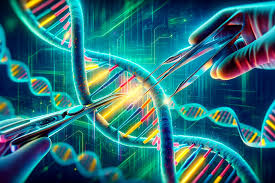
CRISPR (Clustered Regularly Interspaced Short Palindromic Repeats) is a revolutionary gene-editing technology that allows scientists to make precise modifications to DNA within living organisms. For KJ, researchers utilized a technique known as base editing, which enables the correction of a single base pair in the DNA sequence without causing double-strand breaks. This method was delivered directly to KJ’s liver cells using lipid nanoparticles, effectively correcting the genetic mutation responsible for CPS1 deficiency.
Personalized Approach to Gene Therapy
What sets this treatment apart is its personalized nature. Unlike previous CRISPR therapies that involved editing stem cells outside the body, KJ’s therapy was designed specifically for his unique genetic mutation and administered directly in vivo. The entire process—from diagnosis to treatment—was completed within six months, showcasing the potential for rapid development of personalized therapies for rare diseases.
Outcomes and Implications
Following the treatment, KJ has shown significant improvements, including increased tolerance to proteins and a reduction in medication requirements. This success not only demonstrates the efficacy of personalized gene editing but also opens avenues for treating other rare genetic disorders that currently lack effective treatments.
📌 Why This News is Important
Relevance to Government Exams
This groundbreaking use of CRISPR technology is highly pertinent for students preparing for government exams, particularly in subjects like Science and Technology, General Studies, and Current Affairs. Understanding such advancements is crucial for staying informed about developments in medical science and biotechnology.
Significance in Medical Science
The successful application of personalized CRISPR therapy represents a significant milestone in the field of genetic medicine. It underscores the potential of gene editing to provide tailored treatments for individuals with rare and previously untreatable genetic disorders.
Ethical and Regulatory Considerations
This case also raises important ethical and regulatory questions regarding the use of gene-editing technologies in humans. It highlights the need for stringent guidelines and oversight to ensure the safety and efficacy of such treatments.
🕰️ Historical Context
The development of CRISPR technology has revolutionized the field of genetics. Since its discovery, CRISPR has been utilized in various applications, from agricultural improvements to potential treatments for genetic disorders. However, its application in humans has been met with both enthusiasm and caution, given the ethical implications and the need for rigorous testing.
The successful treatment of KJ Muldoon marks a significant step forward in the clinical application of CRISPR, demonstrating its potential to correct specific genetic mutations in humans. This achievement is the result of years of research and collaboration among scientists, clinicians, and regulatory bodies.
✅ Key Takeaways from “CRISPR Cures Rare Liver Disorder in Infant”
| S.No | Key Takeaway |
|---|---|
| 1 | KJ Muldoon is the first person to receive a personalized CRISPR-based gene-editing therapy. |
| 2 | The therapy corrected a specific genetic mutation causing CPS1 deficiency. |
| 3 | The treatment was administered in vivo using lipid nanoparticles. |
| 4 | KJ showed significant improvement post-treatment, including increased protein tolerance. |
| 5 | This success paves the way for personalized treatments of other rare genetic disorders. |
FAQs: Frequently Asked Questions
1. What is CRISPR technology?
CRISPR is a gene-editing tool that allows precise modification of DNA sequences within living organisms.
2. Which rare disease was treated using CRISPR in the nine-month-old baby?
The baby was treated for carbamoyl phosphate synthetase 1 (CPS1) deficiency, a rare liver disorder.
3. How was the CRISPR therapy administered in this case?
The therapy was delivered directly into the liver cells in vivo using lipid nanoparticles.
4. What is unique about this CRISPR treatment compared to previous ones?
This treatment was personalized for the baby’s specific mutation and was administered directly inside the body, unlike earlier methods that edited cells outside the body.
5. What improvements were observed after the CRISPR treatment?
The patient showed increased protein tolerance and reduced need for medication, indicating the treatment’s success.
Some Important Current Affairs Links