








Howrah Junction: The Largest Railway Station of West Bengal
Introduction
Howrah Junction, commonly known as Howrah Station, stands as a monumental hub in India’s railway network. Situated in Howrah, West Bengal, it is not only the largest railway station in the state but also one of the busiest and oldest in the country. Serving as a gateway to Kolkata and connecting major cities across India, Howrah Junction plays a pivotal role in the nation’s transportation infrastructure.
Architectural Grandeur and Infrastructure
Established in 1854, Howrah Junction boasts an impressive architectural design that has evolved over the years to accommodate increasing passenger traffic. The station encompasses 23 platforms, making it the largest in India in terms of platform count. This extensive platform network enables the station to handle a vast number of trains daily, facilitating seamless connectivity across the country.
Strategic Significance
Strategically located on the western bank of the Hooghly River, Howrah Junction serves as a critical junction for both the Eastern and South Eastern Railway zones. Its proximity to Kolkata, merely a bridge away via the iconic Howrah Bridge, enhances its importance as a transit point for passengers and goods alike. The station’s connectivity extends to major cities such as Delhi, Mumbai, Chennai, and Bengaluru, underscoring its role as a national transportation nexus.
Passenger Amenities and Services
To cater to the needs of millions of passengers, Howrah Junction offers a plethora of amenities. These include waiting rooms, retiring rooms, food plazas, bookshops, and internet facilities. The station is equipped with advanced signaling systems and has undergone several modernization initiatives to enhance passenger experience and operational efficiency. Additionally, Howrah Junction is integrated with other modes of transport, including ferry services and bus terminals, providing last-mile connectivity to various parts of Kolkata and neighboring regions.
Historical Evolution
The inception of Howrah Junction dates back to the mid-19th century when it was established as the terminus for the first operational passenger railway line in India, connecting Howrah to Hooghly. Over the decades, the station underwent multiple expansions and renovations to accommodate the burgeoning demand for rail travel. Its rich history is intertwined with India’s colonial past and the subsequent evolution of the Indian Railways, reflecting the socio-economic transformations of the region.
Future Prospects
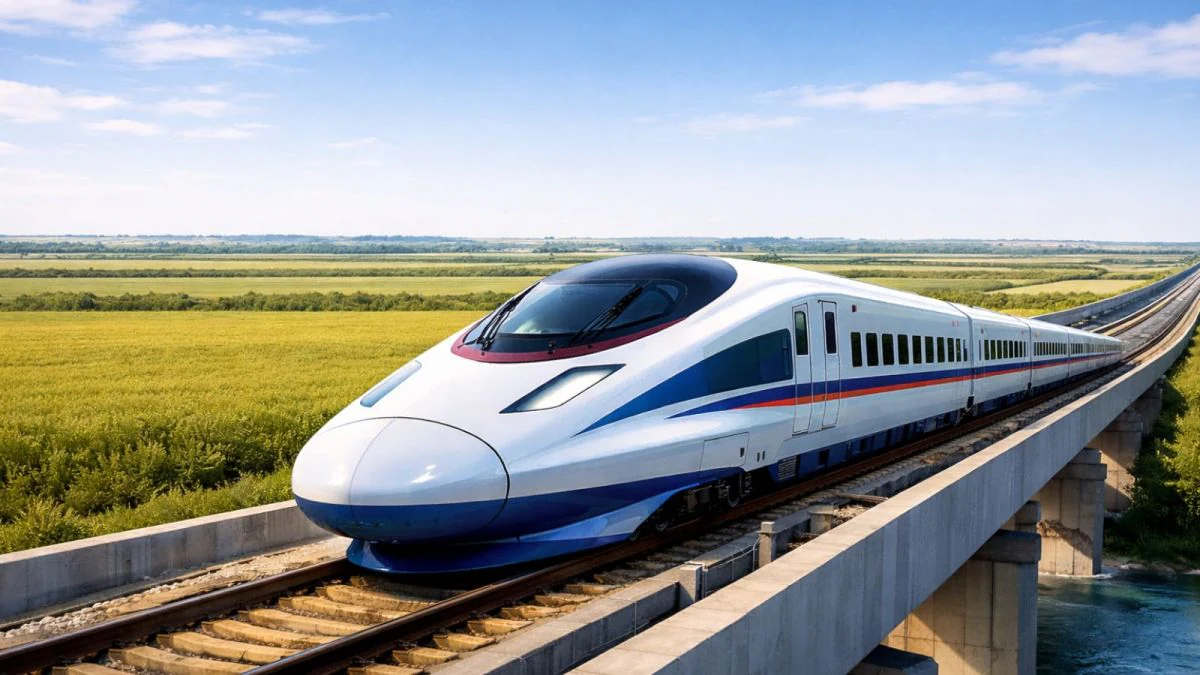
Looking ahead, Howrah Junction is poised for further development. Plans are underway to augment its infrastructure, including the introduction of high-speed rail corridors and enhanced passenger facilities. These initiatives aim to bolster the station’s capacity and efficiency, ensuring it continues to serve as a linchpin in India’s transportation network.

Why This News Is Important
Significance in Competitive Exams
Understanding the prominence of Howrah Junction is crucial for aspirants preparing for competitive exams, especially those related to government services in railways, civil services, and state examinations. Questions pertaining to India’s transportation infrastructure, historical landmarks, and economic hubs frequently feature in such exams. Knowledge about Howrah Junction’s history, infrastructure, and strategic importance can provide candidates with an edge in the general awareness sections.
Economic and Cultural Relevance
Howrah Junction is not just a transportation hub; it is a vital economic artery that supports commerce and trade in Eastern India. Its connectivity facilitates the movement of goods and people, thereby contributing to the region’s economic growth. Additionally, the station’s historical and cultural significance makes it a landmark, symbolizing the rich heritage of West Bengal. For students and researchers, it serves as a case study in urban development and colonial history.
Historical Context
Inception and Early Development
Howrah Junction’s establishment in 1854 marked a significant milestone in India’s railway history. It served as the terminus for the country’s first passenger train, signaling the advent of a new era in transportation. The initial line connected Howrah to Hooghly, covering a distance of 24 miles. This development was instrumental in fostering economic activities, as it facilitated the movement of goods and passengers between key regions.
Architectural Evolution
Over the years, Howrah Junction underwent several architectural transformations to accommodate the growing demands of rail travel. The station’s design reflects a blend of colonial and modern architectural elements, symbolizing the fusion of historical legacy and contemporary advancements. The expansion of platforms and the incorporation of advanced facilities underscore the station’s adaptive evolution in response to changing transportation needs.
Key Takeaways from Howrah Junction: The Largest Railway Station of West Bengal
| Serial Number | Key Takeaway |
|---|---|
| 1 | Howrah Junction, established in 1854, is the largest railway station in West Bengal and India, featuring 23 platforms. |
| 2 | The station serves as a crucial hub for both the Eastern and South Eastern Railway zones, connecting major cities nationwide. |
| 3 | Strategically located near Kolkata, Howrah Junction acts as a vital gateway to Eastern India, enhancing passenger and freight movement. |
| 4 | The station offers extensive passenger amenities, including waiting rooms, food plazas, and internet facilities, ensuring a comfortable travel experience. |
| 5 | Future development plans aim to introduce high-speed rail corridors and further infrastructure enhancements to bolster capacity and efficiency. |
Important FAQs for Students from this News
Q1: When was Howrah Junction established?
A1: Howrah Junction was established in 1854, making it the oldest existing railway station in India.
Q2: How many platforms does Howrah Junction have?
A2: The station boasts 23 platforms, making it the largest railway station in India in terms of platform count.
Q3: Which railway zones operate through Howrah Junction?
A3: Howrah Junction serves as a terminal for both the Eastern Railway and the South Eastern Railway zones.
Q4: What are some major cities connected by Howrah Junction?
A4: The station connects to major cities across India, including Delhi, Mumbai, Chennai, and Bengaluru.
Q5: What modernization initiatives have been implemented at Howrah Junction?
A5: Several modernization initiatives have been undertaken, including advanced digital signaling, improved passenger amenities, and integration with other transport modes like ferry services and bus terminals.
Some Important Current Affairs Links