Fecal Bacteria in Ganga at Prayagraj – A Health Hazard
Introduction to the Concern
The presence of fecal bacteria in the Ganga river, particularly at Prayagraj, has raised serious concerns about public health. The Ganga, one of the most revered rivers in India, faces significant environmental challenges, and this issue adds to the growing list of concerns surrounding the river’s pollution levels.
What Is Fecal Contamination and Why It Is Dangerous?
Fecal contamination in water bodies refers to the presence of harmful microorganisms originating from human and animal waste. These bacteria, including Escherichia coli (E. coli) and other pathogens, can cause diseases like cholera, typhoid, and diarrhea. With the Ganga being used for various purposes, including drinking, bathing, and religious rituals, the contamination is a significant health hazard.
Why Prayagraj is at the Center of the Issue
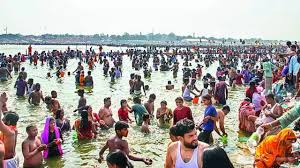
Prayagraj, a city located at the confluence of the Ganga, Yamuna, and Sarasvati rivers, sees millions of pilgrims visiting annually, particularly during the Kumbh Mela. The city’s wastewater, untreated sewage, and the sheer volume of religious and domestic activity contribute to the bacteria levels in the river. The Prayagraj stretch of the Ganga has been identified as one of the most polluted due to both domestic and industrial waste disposal.
Government and Environmental Efforts to Combat the Issue
In response to this alarming situation, several government initiatives have been launched, such as the Namami Gange Mission, aimed at cleaning the Ganga and preventing further contamination. The government has also focused on installing sewage treatment plants and ensuring better waste management practices in towns along the river. Despite these efforts, challenges in enforcement and infrastructural limitations remain.
The Need for Collective Action
Addressing fecal contamination requires multi-faceted solutions, including better waste management, awareness campaigns, and stricter regulations. Furthermore, the public’s role in ensuring the river’s cleanliness cannot be overstated. For the Ganga to be restored to its original purity, efforts must be both sustainable and culturally sensitive.
Why This News is Important
Impact on Public Health
Fecal bacteria contamination in the Ganga, particularly in Prayagraj, poses a significant health risk to millions of people who rely on the river for various daily activities. The presence of harmful bacteria like E. coli increases the likelihood of waterborne diseases. This can lead to outbreaks, especially in areas with inadequate healthcare infrastructure, burdening local health systems and impacting communities’ well-being.
Environmental and Cultural Importance of the Ganga
The Ganga holds immense religious, cultural, and historical significance for millions of Hindus across India. It’s not only a source of drinking water but also a spiritual symbol. The pollution of such an important river affects the cultural heritage of the nation, leading to a loss of faith in the government’s ability to protect its sacred rivers.
Government Action and Future Prospects
This news highlights the urgent need for the implementation of effective measures to address pollution and waste management. Continued government efforts, like the Namami Gange Mission, are essential, but more needs to be done to ensure the health of the Ganga. The success of these efforts will set a precedent for how India handles environmental degradation in its other sacred and water bodies.
Historical Context
The Ganga’s Sacred and Environmental Significance
The Ganga has been a revered water body for centuries, with its waters considered purifying and spiritually significant in Hinduism. Historically, the river has supported millions of people, serving as a vital source of water for drinking, agriculture, and sanitation. However, industrialization, urbanization, and rapid population growth have led to increased pollution levels over the decades.
Efforts to Clean the Ganga Over Time
The government’s initiatives to clean the Ganga have been ongoing since the 1980s, but progress has been slow. The most notable project in recent times is the Namami Gange Mission, launched in 2014 with a budget of ₹20,000 crore. This initiative focuses on sewage treatment, riverfront development, and river rejuvenation. Despite these efforts, the river continues to face pollution challenges, particularly in densely populated areas like Prayagraj.
Key Takeaways from Fecal Bacteria in Ganga at Prayagraj
| Serial No. | Key Takeaway |
|---|---|
| 1 | Fecal bacteria contamination in the Ganga, especially at Prayagraj, poses a significant health risk. |
| 2 | Waterborne diseases like cholera and typhoid can spread due to the contamination, affecting local populations. |
| 3 | Prayagraj, a religious and cultural hub, faces high levels of pollution due to domestic, industrial, and religious activities. |
| 4 | Government efforts like the Namami Gange Mission aim to clean and rejuvenate the river but face challenges in enforcement. |
| 5 | Multi-faceted solutions involving public awareness, improved waste management, and stricter regulations are needed for effective river protection. |
Important FAQs for Students from this News
What are fecal bacteria?
Fecal bacteria are harmful microorganisms that originate from human and animal waste. They are responsible for waterborne diseases like cholera and diarrhea.
Why is the Ganga important for India?
The Ganga is culturally and religiously significant, considered sacred in Hinduism. It also provides water for millions, supporting both domestic and agricultural needs.
How is the Indian government addressing pollution in the Ganga?
The government has launched several initiatives, including the Namami Gange Mission, to clean the river through sewage treatment and waste management systems.
What is the Namami Gange Mission?
It is a government initiative aimed at rejuvenating the Ganga through cleaning, sewage treatment, and riverfront development.
What is the role of citizens in protecting the Ganga?
Citizens must be aware of the importance of not polluting the river and should participate in cleanliness drives and support government efforts.
Some Important Current Affairs Links