







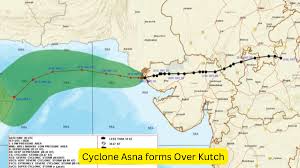
Cyclone Asna Forms Over Kutch: A Comprehensive Overview
Cyclone Asna has recently formed over the Kutch region, bringing significant attention due to its potential impact. This article provides an in-depth look at the cyclone, its development, and what it means for the affected areas.
Formation and Current Status
Cyclone Asna originated in the Arabian Sea and has intensified as it moved closer to the Kutch region. Meteorologists have been closely monitoring its progress, noting that the cyclone has reached a Category 1 status. This level of intensity is characterized by sustained winds ranging from 74 to 95 mph, which can cause damage to coastal infrastructure and disrupt local life.
Expected Impact on Kutch
The Kutch region, known for its arid climate, is not typically prone to cyclones. However, the arrival of Cyclone Asna poses a unique challenge. Authorities are preparing for potential heavy rains, strong winds, and possible flooding. The cyclone’s trajectory suggests that it may also affect other parts of Gujarat and neighboring states, amplifying the need for extensive preparedness measures.
Government Response and Preparedness
In response to Cyclone Asna, local and national agencies have been activated to handle the emergency. The Gujarat government has issued advisories, evacuated vulnerable communities, and mobilized resources for immediate relief. The Indian Meteorological Department (IMD) is providing regular updates and forecasts to ensure that residents are informed and can take appropriate action.
Impact on Agriculture and Economy
The agricultural sector in Kutch, heavily dependent on the monsoon, faces risks due to the cyclone. The expected heavy rains could damage crops and affect soil quality. Additionally, the economic impact could be significant, particularly for local businesses and infrastructure that may be disrupted by the cyclone.

Why This News is Important
Immediate Safety Concerns
Cyclone Asna’s formation over Kutch is crucial as it presents immediate safety concerns for residents. The storm’s potential to bring heavy rains, strong winds, and flooding necessitates prompt action to safeguard lives and property.
Economic Impact
The economic implications of Cyclone Asna are significant. The Kutch region’s agricultural sector and local businesses could face substantial losses. Understanding the cyclone’s impact helps in assessing the potential economic fallout and planning for recovery.
Government and Emergency Response
The cyclone underscores the importance of effective government and emergency response systems. By highlighting the preparedness measures taken by authorities, this news emphasizes the need for efficient disaster management and community support.
Climate Change and Weather Patterns
Cyclone Asna also serves as a reminder of the changing weather patterns influenced by climate change. Monitoring such events provides insights into the broader impacts of climate shifts on weather phenomena.
Public Awareness and Preparedness
Finally, this news is vital for raising public awareness about cyclone preparedness. Educating communities about safety measures and emergency protocols helps mitigate the risks associated with such natural disasters.
Historical Context
Cyclones in the Arabian Sea
Cyclones in the Arabian Sea are relatively uncommon but not unheard of. Historical records show that while the region is less prone to cyclones compared to the Bay of Bengal, significant cyclones have impacted the western coast of India. Notable examples include Cyclone Gonu in 2007 and Cyclone Tauktae in 2021, which caused widespread damage.
Kutch’s Climatic History
Kutch, located in the western part of Gujarat, traditionally experiences arid conditions. The region’s climate is influenced by its geographical location and topography, which generally shields it from severe weather events like cyclones. However, the changing climate has increased the frequency and intensity of such events.
Recent Cyclone Trends
Recent years have seen an increase in the intensity and frequency of cyclones in various parts of India, including regions traditionally less affected. This trend aligns with broader patterns observed globally, where climate change is leading to more extreme weather events.
Key Takeaways from Cyclone Asna Forms Over Kutch
| Serial Number | Key Takeaway |
|---|---|
| 1 | Cyclone Asna has formed over the Kutch region and has reached Category 1 status. |
| 2 | The cyclone is expected to bring heavy rains, strong winds, and potential flooding to Kutch and surrounding areas. |
| 3 | The Gujarat government has initiated emergency measures, including evacuations and resource mobilization. |
| 4 | The cyclone poses risks to agriculture in Kutch, potentially impacting crop production and soil quality. |
| 5 | The event highlights the need for effective disaster management and public awareness in dealing with such natural disasters. |
Important FAQs for Students from this News
1. What is Cyclone Asna?
Cyclone Asna is a Category 1 cyclone that has formed over the Kutch region in the Arabian Sea. It is characterized by sustained winds ranging from 74 to 95 mph and is expected to bring heavy rains and strong winds to the affected areas.
2. What areas are expected to be impacted by Cyclone Asna?
Cyclone Asna is expected to impact the Kutch region in Gujarat, as well as potentially affect other parts of Gujarat and neighboring states. The cyclone may bring heavy rains, strong winds, and flooding to these areas.
3. How is the Gujarat government preparing for Cyclone Asna?
The Gujarat government has activated emergency response measures, including issuing advisories, evacuating vulnerable communities, and mobilizing resources for relief efforts. The Indian Meteorological Department (IMD) is providing regular updates and forecasts.
4. What are the potential impacts of Cyclone Asna on agriculture?
Cyclone Asna poses risks to the agricultural sector in Kutch, including potential damage to crops and soil quality due to heavy rains and flooding. This could have significant economic implications for local farmers and businesses.
5. Why is Cyclone Asna significant in the context of climate change?
Cyclone Asna is significant because it highlights the increasing frequency and intensity of cyclones in regions traditionally less affected, such as Kutch. This trend aligns with broader observations of climate change impacting weather patterns globally.
Some Important Current Affairs Links