

General Knowledge Quiz on the Olympics – A Comprehensive Overview
The Olympic Games, a global sporting event held every four years, are a symbol of international unity and athletic excellence. This prestigious event brings together athletes from around the world to compete in various sports, showcasing their skills and representing their countries. For students preparing for government exams, understanding the history, significance, and key facts about the Olympics is crucial, as questions related to this global event frequently appear in competitive exams.
Historical Background of the Olympics
The modern Olympic Games trace their origins back to ancient Greece, where the first recorded Olympics took place in 776 BC in Olympia. These ancient games were held in honor of Zeus and featured a variety of athletic competitions. The modern Olympics, however, were revived in 1896 by Pierre de Coubertin, with Athens hosting the first edition. Since then, the Olympics have evolved into the world’s largest multi-sport event, with both summer and winter editions.
Significance of the Olympics in Competitive Exams
The Olympics hold immense significance in competitive exams, especially in the General Knowledge (GK) sections. Questions related to the Olympics can cover a wide range of topics, including the history of the games, the host cities, famous athletes, and significant records. Understanding the Olympics not only enhances one’s general awareness but also helps in answering related questions accurately during exams.
Key Facts and Figures About the Olympics
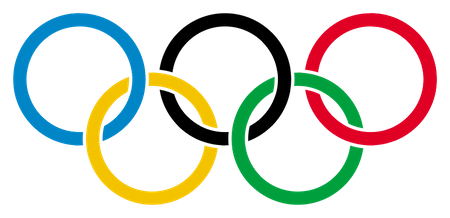
The Olympics have a rich history filled with numerous milestones. For instance, the Olympic flag, with its five interlocking rings, symbolizes the unity of the five inhabited continents. The Olympic motto, “Citius, Altius, Fortius” (Faster, Higher, Stronger), reflects the athletes’ pursuit of excellence. Moreover, the Olympic Games have witnessed numerous record-breaking performances, such as Usain Bolt’s 100-meter sprint in 9.58 seconds during the 2009 World Championships, which remains one of the most iconic moments in sports history.
Recent Olympic Games and India’s Performance
In recent years, the Olympics have seen increased participation from countries around the world, including India. The Tokyo 2020 Olympics were particularly significant for India, as the country achieved its best-ever medal haul, with Neeraj Chopra winning the gold in men’s javelin throw. This achievement has inspired a new generation of athletes in India, highlighting the country’s growing presence on the global sporting stage.
Preparing for Olympics-Related Questions in Exams
For students preparing for government exams, it is essential to focus on key aspects of the Olympics, such as the list of host cities, the number of participating countries, notable athletes, and India’s performance in various editions of the games. Regular practice of GK quizzes on the Olympics can also help in retaining important information and improving accuracy during exams.
Why this News is Important
Understanding the Global Significance of the Olympics
The Olympics are not just a sporting event but a celebration of global unity and athletic excellence. For students preparing for government exams, knowledge about the Olympics is crucial as it reflects an understanding of international affairs and sports, which are common topics in competitive exams.
Relevance in Government Exams
Olympic-related questions are frequently asked in the General Knowledge sections of government exams. These questions test a candidate’s awareness of significant global events and their impact on various countries, including India’s participation and achievements in the Olympics.
Enhancing General Awareness
Keeping up with the latest developments in the Olympics, including historical milestones and recent performances, enhances a candidate’s general awareness. This is essential for cracking exams like SSC, UPSC, Banking, Railways, and other competitive exams where GK plays a vital role.
Boosting Confidence in Exams
Familiarity with important facts and figures related to the Olympics can boost a candidate’s confidence during exams. It prepares them to tackle any question related to this global event, ensuring better performance in the GK section.
Historical Context: The Evolution of the Olympics
Ancient Origins
The Olympics began in ancient Greece in 776 BC, where athletes from various city-states competed in events like running, long jump, shot put, and discus throw. These games were held in Olympia, and the event continued for nearly 12 centuries until it was banned in 393 AD by Emperor Theodosius I.
Revival of the Modern Olympics
The modern Olympic Games were revived by Pierre de Coubertin in 1896, with the first edition held in Athens. The revival aimed to promote peace and unity through sports. The first modern Olympics featured 13 countries and 280 athletes competing in 43 events. Over the years, the games have grown significantly, with over 200 nations participating in recent editions.
India’s Participation
India first participated in the Olympics in 1900, with Norman Pritchard winning two silver medals in athletics. Since then, India has gradually increased its presence, with notable achievements in hockey, shooting, boxing, wrestling, and athletics. The 2020 Tokyo Olympics marked a significant milestone for India, with a record haul of seven medals.
Key Takeaways from “General Knowledge Quiz on the Olympics”
| Serial No. | Key Takeaway |
|---|---|
| 1 | The Olympics began in ancient Greece in 776 BC and were revived in 1896 by Pierre de Coubertin. |
| 2 | The Olympic motto, “Citius, Altius, Fortius,” reflects the pursuit of excellence by athletes. |
| 3 | India achieved its best-ever Olympic performance at the Tokyo 2020 Olympics with a record seven medals. |
| 4 | Understanding the Olympics is crucial for competitive exams, particularly in the General Knowledge sections. |
| 5 | Regular practice of GK quizzes on the Olympics can improve exam preparation and accuracy. |
Important FAQs for Students from this News
1. What are the origins of the Olympic Games?
- The Olympic Games originated in ancient Greece in 776 BC. They were held in Olympia to honor the Greek god Zeus. The modern Olympic Games were revived in 1896 by Pierre de Coubertin in Athens.
2. Why is the Olympic motto important?
- The Olympic motto “Citius, Altius, Fortius” translates to “Faster, Higher, Stronger” and reflects the athletes’ commitment to excellence and their pursuit of breaking limits in their respective sports.
3. How has India’s performance evolved in the Olympics?
- India first participated in the Olympics in 1900, winning two silver medals. Over the years, India has improved its performance, with the 2020 Tokyo Olympics being the most successful, where India secured seven medals, including a gold in men’s javelin throw.
4. What is the significance of the Olympic flag?
- The Olympic flag features five interlocking rings of different colors, representing the unity of the five inhabited continents. It symbolizes the universality of the Olympic Games and the coming together of athletes from around the world.
5. How can students prepare for Olympics-related questions in government exams?
- Students should focus on learning the history of the Olympics, key facts, host cities, notable athletes, and India’s achievements. Regular practice of GK quizzes on the Olympics will also help in retaining important information.
Some Important Current Affairs Links

