
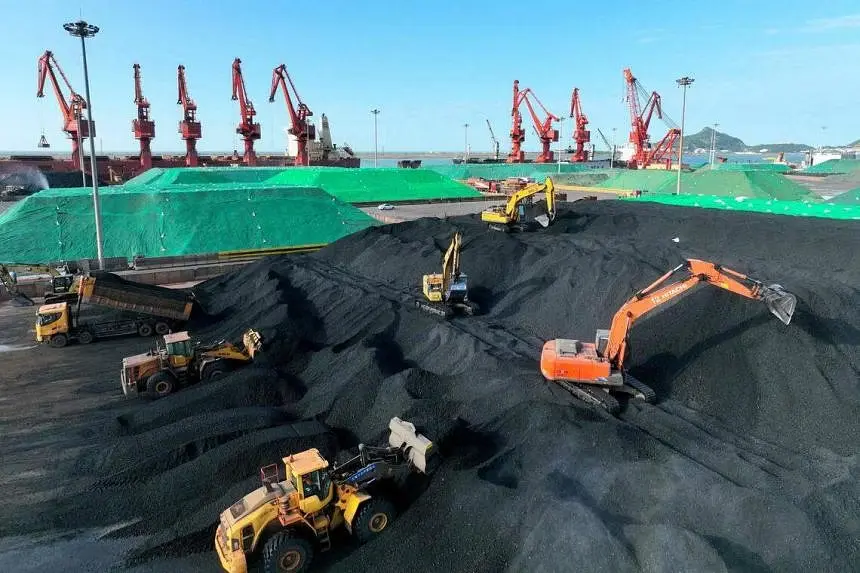
Exploration of Coal and Lignite Scheme Extended: Unveiling India’s Energy Potential
India, being one of the fastest-growing economies in the world, has a significant demand for energy resources to sustain its development. The Exploration of Coal and Lignite Scheme plays a crucial role in tapping into India’s vast energy potential. Recently, the government has extended this scheme, highlighting its commitment to meeting the energy requirements of the nation. In this article, we will delve into the details of the scheme, its importance, historical context, and key takeaways for students preparing for government exams.
The Exploration of Coal and Lignite Scheme is a flagship initiative by the Government of India aimed at unlocking the untapped energy potential of the country. It focuses on identifying and exploring new coal and lignite blocks to increase domestic production and reduce dependency on imports. This scheme plays a crucial role in ensuring energy security and fueling the growth of various sectors such as power, steel, and cement.
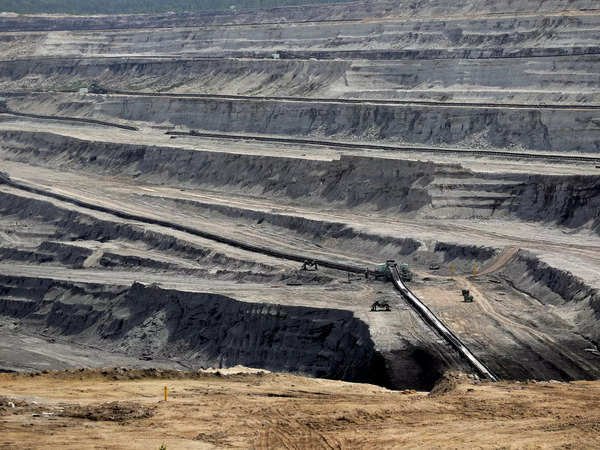
Why this News is Important
India heavily relies on coal and lignite for meeting its energy demands. With the extended Exploration of Coal and Lignite Scheme, the government aims to boost domestic production and reduce import dependence. This news holds immense significance for students preparing for government exams, especially those targeting positions in the energy sector or ministries associated with energy resources. Understanding the details of this scheme will enhance their knowledge and give them an edge in competitive exams.
Historical Context
India has a long-standing history of coal mining, which dates back to the 18th century during the British colonial era. The coal and lignite reserves in the country are vast, with several major coalfields spread across various states. The nationalization of coal mines in 1973 led to the establishment of Coal India Limited (CIL), a public sector undertaking responsible for coal exploration, production, and distribution. Over the years, several reforms and policies have been implemented to streamline the coal and lignite sector, including the introduction of the Exploration of Coal and Lignite Scheme.
Key Takeaways from the Exploration of the Coal and Lignite Scheme
| Serial Number | Key Takeaway |
|---|---|
| 1 | The scheme aims to identify and explore new coal and lignite blocks to enhance domestic production. |
| 2 | It plays a vital role in reducing India’s dependence on coal and lignite imports. |
| 3 | The scheme contributes to the energy security of the nation. |
| 4 | It supports the growth of various industries such as power, steel, and cement. |
| 5 | The extended scheme highlights the government’s commitment to harnessing India’s energy potential. |
Conclusion:
The extension of the Exploration of Coal and Lignite Scheme is a significant development in India’s energy sector. This scheme plays a crucial role in unlocking the vast energy potential of the nation, reducing import dependence, and ensuring energy security. Students preparing for government exams, particularly those aspiring for positions in the energy sector, should familiarize themselves with the details of this scheme as it holds relevance and is likely to be a topic of interest in their exams.
Important FAQs for Students from this News
Q: What is the Exploration of Coal and Lignite Scheme?
A: The Exploration of Coal and Lignite Scheme is a government initiative aimed at identifying and exploring new coal and lignite blocks in India to increase domestic production and reduce import dependence.
Q: Why is the Exploration of Coal and Lignite Scheme important?
A: The scheme is important as it contributes to India’s energy security, reduces import dependence, and supports the growth of industries such as power, steel, and cement.
Q: Who is responsible for coal exploration and production in India?
A: Coal India Limited (CIL), a public sector undertaking, is responsible for coal exploration, production, and distribution in India.
Q: What is the historical context of coal mining in India?
A: Coal mining in India has a long history that dates back to the 18th century during the British colonial era. The nationalization of coal mines in 1973 led to the establishment of CIL.
Q: How can knowledge of the Exploration of Coal and Lignite Scheme be beneficial for government exam aspirants?
A: Knowledge of the scheme is beneficial for aspirants targeting positions in the energy sector or ministries associated with energy resources, as it demonstrates their awareness of current affairs and relevant government initiatives.
Some Important Current Affairs Links

