
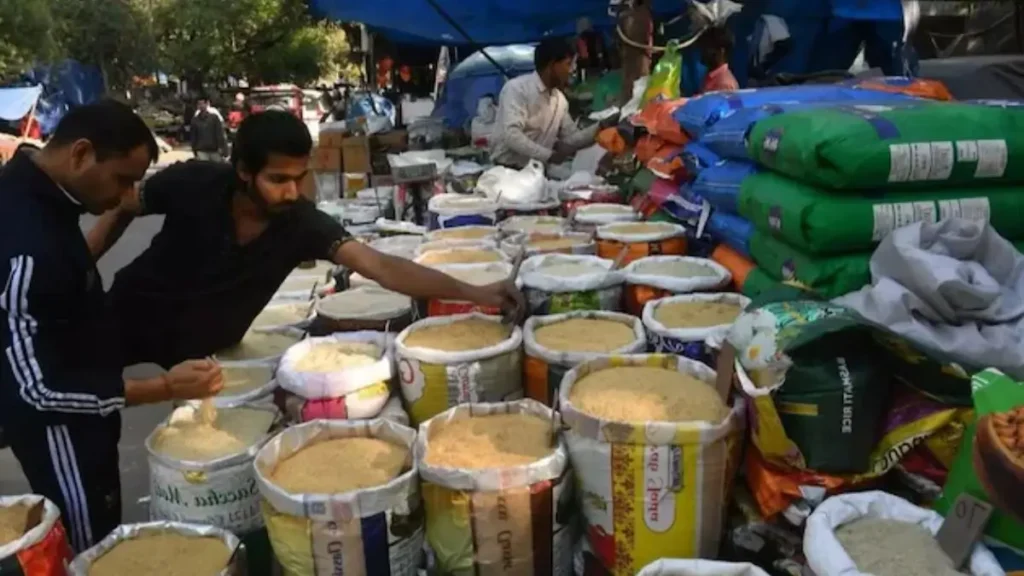
WPI inflation 8.3% India rises to a 3.5-year high driven by fuel and manufacturing costs. Learn causes, impact, and key takeaways for competitive exams.
Introduction: Sharp Rise in Wholesale Inflation
India’s Wholesale Price Index (WPI)-based inflation has surged to 8.3% in April, marking the highest level in nearly three and a half years. This sudden spike reflects growing cost pressures across fuel, energy, and manufacturing sectors. The increase has raised concerns among economists and policymakers as it signals rising input costs for industries, which may eventually affect consumer prices.
Article: India’s Wholesale Inflation Surge Explained
1. Wholesale Inflation Reaches Multi-Year High
India’s wholesale inflation rose sharply to 8.3% in April, compared to 3.88% in March. This is one of the fastest increases recorded in recent years, indicating strong inflationary pressure in the economy. The rise highlights a significant shift in price trends at the producer level, affecting goods before they reach consumers.
2. Fuel and Energy Prices Drive Inflation
The primary driver behind this surge is the fuel and power sector, where prices increased significantly due to global crude oil volatility and geopolitical tensions. Rising prices of petroleum, natural gas, and electricity have directly impacted transportation and manufacturing costs, pushing overall inflation higher.
3. Manufacturing and Industrial Cost Pressure
Manufactured products also saw a notable price increase. Higher input costs for metals, chemicals, textiles, and basic goods have contributed to inflation. As production becomes more expensive, companies may face reduced profit margins or pass the costs to consumers in the coming months.
4. Food Inflation Remains Moderate but Uneven
Unlike fuel prices, food inflation remained relatively stable but uneven. While some commodities like vegetables showed limited increases, others such as fruits, meat, and edible oils saw price pressure. This indicates a mixed trend in the agricultural sector.
5. Global Factors Influencing Inflation
Experts link the rise in inflation to global energy shocks, especially tensions in West Asia affecting crude oil supply chains. India, being a major importer of crude oil, is highly sensitive to international price fluctuations, which directly impact domestic wholesale prices.

Why this News is Important
Impact on Economy and Policy
The surge in wholesale inflation is a critical economic indicator as it reflects rising production costs across sectors. For students preparing for competitive exams like UPSC, SSC, Banking, Railways, and State PSCs, understanding WPI inflation is essential because it directly influences fiscal and monetary policy decisions.
Effect on RBI Monetary Policy
The Reserve Bank of India (RBI) closely monitors inflation trends to decide interest rates. A sharp rise in WPI may lead to tighter monetary policies or delayed rate cuts, affecting loans, investments, and economic growth.
Link Between WPI and CPI
WPI inflation often acts as a leading indicator for Consumer Price Index (CPI) inflation. This means rising wholesale prices may eventually increase retail prices, impacting household budgets.
Importance for Government Exams
Questions related to inflation, WPI, CPI, RBI policy, and economic indicators are frequently asked in government exams. This news helps candidates understand real-time economic trends and their policy implications.
Economic Stability Concerns
High inflation reduces purchasing power and increases cost-of-living pressures. It also affects business confidence and industrial growth, making it a key macroeconomic issue.
Historical Context
Background of Wholesale Price Index (WPI) Inflation
The Wholesale Price Index measures price changes at the producer or wholesale level before goods reach retail markets. India has been tracking WPI inflation for decades as a key economic indicator.
Historically, India has witnessed inflation spikes during global crises such as the 2008 financial crisis, 2013 oil price shocks, and the 2022 Russia-Ukraine conflict, all of which impacted fuel and commodity prices.
The recent surge to 8.3% is among the highest since the post-pandemic global recovery phase and reflects renewed global supply chain disruptions and energy market volatility.
Key Takeaways from India’s Wholesale Inflation Surge
| No. | Key Takeaway |
|---|---|
| 1 | India’s WPI inflation rose to 8.3% in April, highest in 3.5 years |
| 2 | The main driver was rising fuel, crude oil, and energy prices |
| 3 | Manufacturing sector faced higher input costs, increasing inflation pressure |
| 4 | Food inflation remained moderate but uneven across commodities |
| 5 | Global geopolitical tensions, especially in West Asia, influenced price rise |
FAQs: India’s Wholesale Inflation Jumps to 8.3%
Q1. What is WPI inflation?
WPI (Wholesale Price Index) inflation measures the change in prices of goods at the wholesale or producer level before they reach consumers.
Q2. What is the latest WPI inflation rate in India?
India’s WPI inflation rose to 8.3% in April, the highest in nearly 3.5 years.
Q3. Which sectors mainly contributed to the rise in inflation?
The main contributors were fuel and power, manufacturing products, and select food items.
Q4. How is WPI different from CPI?
WPI measures wholesale prices, while CPI (Consumer Price Index) measures retail inflation faced by consumers.
Q5. Why is WPI inflation important for exams?
It is important because it is linked to RBI monetary policy, economic indicators, and inflation trends, frequently asked in UPSC, SSC, Banking, and State PSC exams.
Q6. Can WPI inflation affect retail prices?
Yes, rising WPI often leads to higher production costs, which may eventually increase retail prices (CPI inflation).
Some Important Current Affairs Links

