

Tungnath Temple Built by Pandavas Declared National Monument
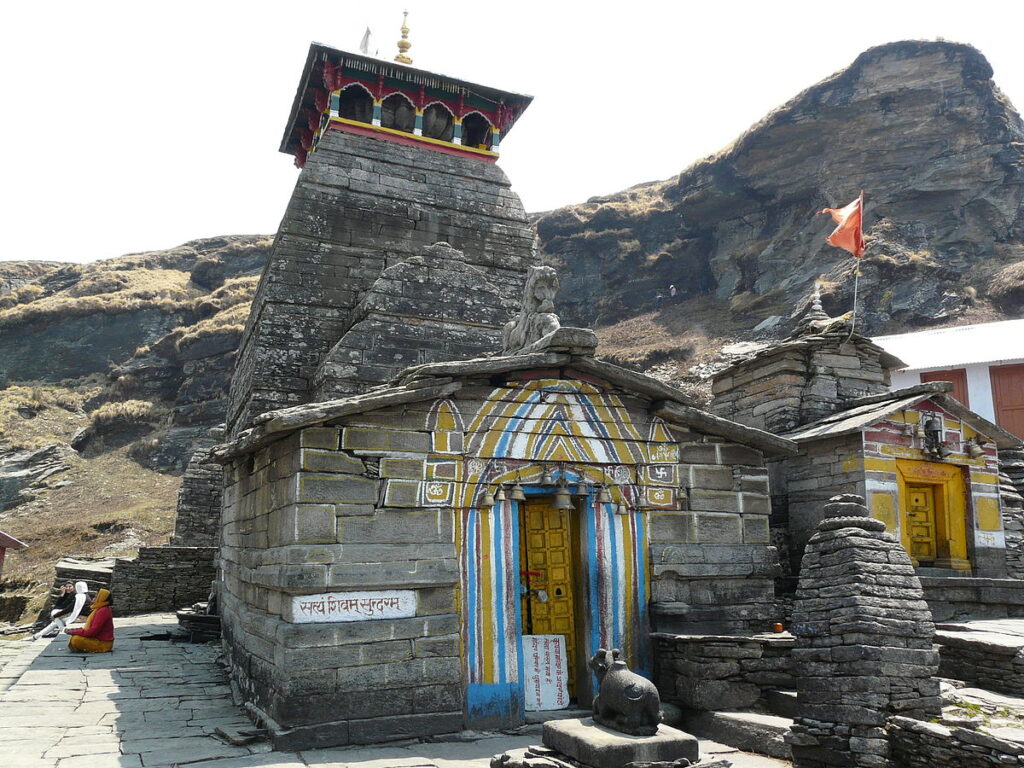
The Tungnath Temple, believed to have been constructed by the Pandavas, has recently been declared a national monument. This ancient temple holds immense religious and historical significance and is located in the breathtakingly beautiful state of Uttarakhand, India.
Promoting Tourism and Spiritualism
The declaration of the Tungnath Temple as a national monument is also expected to boost tourism in the region. Uttarakhand, already renowned for its natural beauty and spiritual destinations, will witness an influx of devotees and tourists eager to explore this historically significant site. This will not only benefit the local economy but also promote cultural exchange and awareness.
Cultural and Architectural Marvel
The Tungnath Temple is a remarkable example of ancient Indian architecture. Its intricate carvings, detailed sculptures, and exquisite craftsmanship reflect the skill and artistry of the bygone era. Preserving and showcasing this architectural marvel will not only contribute to the nation’s cultural heritage but also serve as an inspiration for future generations.
Conservation and Restoration Efforts
With the declaration of the Tungnath Temple as a national monument, conservation and restoration efforts will be strengthened. The government, in collaboration with archaeologists and heritage experts, will implement measures to safeguard the temple’s structural integrity, address any damage or decay, and preserve its artistic treasures.
The declaration of the Tungnath Temple as a national monument marks a significant milestone in the preservation of India’s rich heritage. This ancient temple, believed to have been built by the Pandavas, will now receive the attention and care it rightfully deserves. The declaration not only ensures the protection of the temple but also promotes tourism, cultural exchange, and a deeper appreciation of India’s historical and spiritual roots.
Why this News is Important:
Heading: Preservation of Historical and Religious Heritage The declaration of the Tungnath Temple as a national monument is of utmost importance in preserving India’s historical and religious heritage. By recognizing the temple’s significance, the government acknowledges the need to protect and conserve such ancient sites, ensuring their legacy lives on for generations to come.
Heading: Tourism Promotion and Economic Growth The declaration of the Tungnath Temple as a national monument is expected to have a positive impact on tourism and local economies. As more visitors are drawn to this culturally significant site, it will generate revenue, create job opportunities, and support the growth of nearby businesses, contributing to the overall economic development of the region.
Historical Context:
Origins of Tungnath Temple The Tungnath Temple, nestled in the Himalayan ranges of Uttarakhand, has a deep-rooted historical context. According to Hindu mythology and folklore, the temple is believed to have been constructed by the Pandavas, the legendary heroes from the Mahabharata. Seeking the blessings of Lord Shiva during their exile, they built this temple at an altitude of approximately 3,680 meters (12,073 feet).
Key Takeaways from “Tungnath Temple Built by Pandavas Declared National Monument”:
| Serial Number | Key Takeaway |
|---|---|
| 1 | The Tungnath Temple, constructed by the Pandavas, is now a national monument. |
| 2 | The temple holds immense religious and historical significance in Hindu mythology. |
| 3 | Its declaration as a national monument ensures preservation and protection for future generations. |
| 4 | The temple’s recognition is expected to boost tourism in Uttarakhand, promoting cultural exchange and economic growth. |
| 5 | Conservation efforts will be strengthened to preserve the temple’s architectural marvel and restore its grandeur. |
Important FAQs for Students from this News
Q: What is the significance of the Tungnath Temple?
A: The Tungnath Temple holds historical and religious significance as it is believed to have been constructed by the Pandavas, the heroes from the Mahabharata.
Q: Why was the Tungnath Temple declared a national monument?
A: The declaration as a national monument ensures the preservation, protection, and promotion of the temple, safeguarding its cultural and architectural heritage.
Q: How will the declaration of the Tungnath Temple impact tourism?
A: The declaration is expected to boost tourism in Uttarakhand, attracting more visitors to explore the temple and contributing to the local economy.
Q: What measures will be taken for the conservation of the Tungnath Temple?
A: With the declaration, conservation and restoration efforts will be strengthened, involving the government, archaeologists, and heritage experts to preserve the temple’s structural integrity and artistic treasures.
Q: What is the geographical location of the Tungnath Temple?
A: The Tungnath Temple is situated in the picturesque state of Uttarakhand in India, amidst the majestic Himalayan ranges.
Some Important Current Affairs Links

