

Harela Festival 2025 sees Uttarakhand planting over 8.13 lakh saplings under Ek Ped Maa Ke Naam campaign, with 80% survival rate and active community participation. Learn its exam relevance.
🌳 Uttarakhand to Plant Over 5 Lakh Saplings on Harela Festival
Tree Plantation Drive Launches “Ek Ped Maa Ke Naam” Campaign
Uttarakhand Chief Minister Pushkar Singh Dhami inaugurated the Harela plantation drive by planting a Rudraksh sapling at the Gorkha Military Intermediate College in Dehradun. The state aims to plant over 5 lakh saplings across 2,400 designated sites—three lakh in Garhwal and two lakh in Kumaon—under the theme “Ek Ped Maa Ke Naam” (Plant a tree in Mother Earth’s name). Simultaneously, farms and horticulture departments will plant 15 lakh fruit-tree saplings, reinforcing the state’s agricultural and ecological goals.
Integrating Culture with Ecology
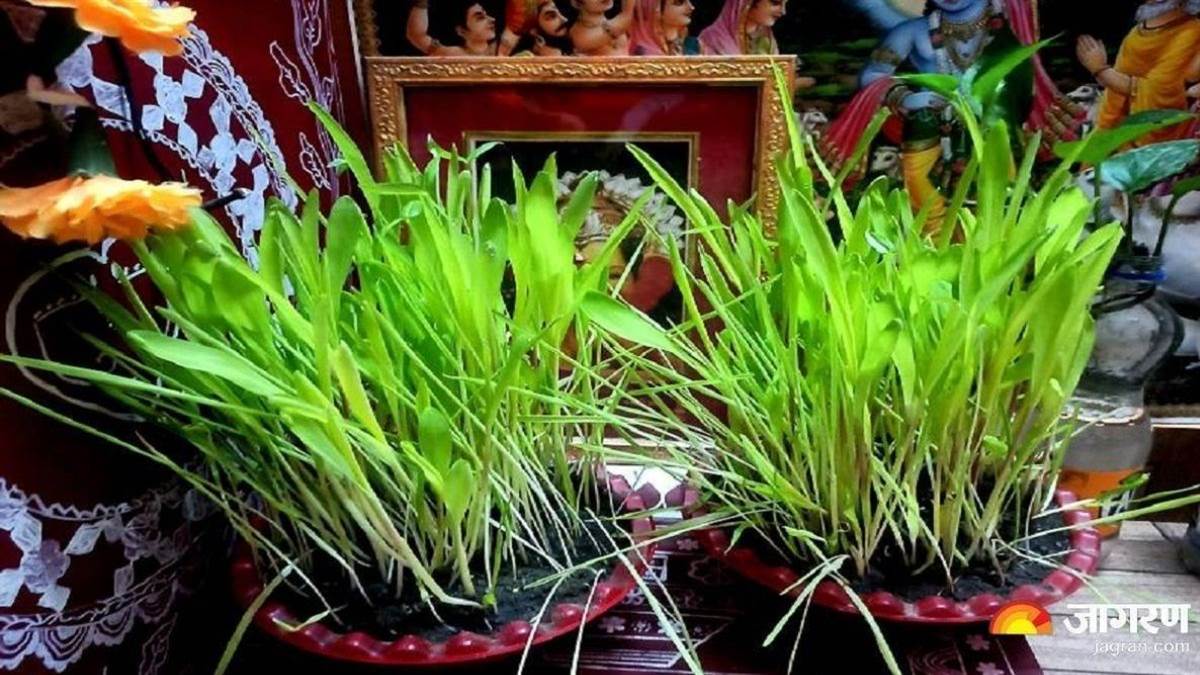
Traditionally, Harela marks the beginning of the sowing season in Shravan, celebrated nine days after seed sowing. It’s a symbol of fertility and renewal. This year, traditional rituals like sowing seven varieties of grain and community offerings are intertwined with large-scale environmental initiatives aimed at ecosystem restoration.
Scale and Legacy of Plantation
The campaign is part of PM Modi’s “Ek Ped Maa Ke Naam” national initiative. Though the initial target was 5 lakh, ongoing efforts across the state led to over 8.13 lakh saplings planted—a record for any single Harela festival. Key outcomes include:
- 80% sapling survival rate over past three years, as reported by Forest Minister Subodh Uniyal.
- 6,500+ water sources conserved, and 3.12 million cubic meters of rainwater harvested via the Spring and River Rejuvenation Authority (SARRA).
Public Participation & Multi‑agency Collaboration
This year’s plantation drive is marked by active involvement from the forest department, NGOs, women’s groups, youth, agriculture and horticulture departments, school children, and local bodies. Plantation sites range from villages, towns, cities, to schools and government offices—making it a mass environmental movement at grassroots level.
📌 Why This News Matters
Relevance Across Exam Domains
This initiative holds importance for multiple competitive exams, including UPSC, PCS, teaching, banking, CAPF, and more. It intersects with Environment & Ecology, Polity & Governance, Agriculture, and Sustainable Development—key sectors in exam syllabi.
Spotlight on Governmental Action
The campaign exemplifies how state governments align regional traditions (Harela) with national-level drives (Ek Ped Maa Ke Naam), reflecting effective center-state coordination in environmental policymaking.
Encouraging Public Mobilization
By integrating community involvement, government departments, and NGOs, the campaign demonstrates best practices in public engagement and grassroots environmental governance, crucial for social harmony and ecological resilience.
🏛 Historical Context: From Agrarian Ritual to Green Movement
Origin of Harela Festival
Harela—literally “Day of Green”—has roots in the agrarian cultures of Kumaon and parts of Garhwal. Celebrated at the onset of monsoon (Shravan), it involves planting seeds 9–10 days before, harvesting sprouts, and offering them as a blessing for a bountiful harvest.
The Evolution into Sponsoring Ecology
Centuries-old practices like planting twigs during Harela transformed into soil and seed testing in remote areas. More recently, the festival is used as a vehicle for large-scale tree plantation drives to tackle deforestation, soil erosion, and protect water sources.
📋 Key Takeaways from “Uttarakhand Harela Plantation Drive”
| S. No. | Key Takeaway |
|---|---|
| 1 | Over 5 lakh saplings aimed to be planted on Harela; final count reached 8.13 lakh. |
| 2 | Planting efforts split as 3 lakh in Garhwal, 2 lakh in Kumaon, plus 15 lakh fruit saplings. |
| 3 | High 80% survival rate of saplings over past three years indicates program effectiveness. |
| 4 | Harela merges culture and ecology—traditional seed-sprout rituals now tied to environmental restoration. |
| 5 | SARRA harvested 3.12 million m³ of rainwater and conserved 6,500+ water sources, showing integrated conservation effort. |
Frequently Asked Questions (FAQs)
1. What is the Harela Festival?
Harela is an eco-cultural festival celebrated in Uttarakhand, especially in the Kumaon region. It marks the beginning of the sowing season during the Hindu month of Shravan and is associated with prosperity, greenery, and environmental conservation.
2. Why is Harela significant in environmental policy now?
Over recent years, the Harela festival has evolved from a local agrarian ritual into a major environmental movement involving mass tree plantation drives across the state. It now aligns with state and national conservation policies.
3. What is the “Ek Ped Maa Ke Naam” campaign?
It is a nationwide green initiative inspired by Prime Minister Narendra Modi’s call to plant trees in honor of Mother Earth. Uttarakhand adopted this as the theme for the Harela plantation drive in 2025.
4. How many saplings were actually planted during Harela 2025?
Although the official target was 5 lakh saplings, over 8.13 lakh saplings were planted across Uttarakhand, setting a new record for the event.
5. What departments and communities were involved in the plantation drive?
Various state departments including the forest, horticulture, and agriculture departments, along with local communities, school children, NGOs, women’s groups, and youth clubs actively participated in the plantation campaign.
6. What is the survival rate of saplings planted during Harela in recent years?
According to Uttarakhand’s Forest Minister, the sapling survival rate from Harela festival plantations has been around 80% over the last three years.
7. What role does SARRA play in Uttarakhand’s environmental policy?
SARRA (Spring and River Rejuvenation Authority) is responsible for conserving water sources and rejuvenating springs. During Harela 2025, it contributed to harvesting 3.12 million cubic meters of rainwater and conserving over 6,500 water sources.
8. Is Harela celebrated only in Uttarakhand?
Primarily yes. It is a regional festival in Uttarakhand, particularly significant in the Kumaon region, although similar planting festivals exist in other Indian states under different names.
9. How does Harela relate to government exams?
This topic can appear under Environment, Government Schemes, State Initiatives, and Traditional Festivals sections of UPSC, State PSCs, and other general awareness syllabi in banking, defence, teaching, and SSC exams.
10. Has Uttarakhand set any previous plantation records?
Yes, Uttarakhand has consistently undertaken mass plantation efforts during Harela, but the 2025 campaign is notable for exceeding the target by over 3 lakh saplings.
Some Important Current Affairs Links

