
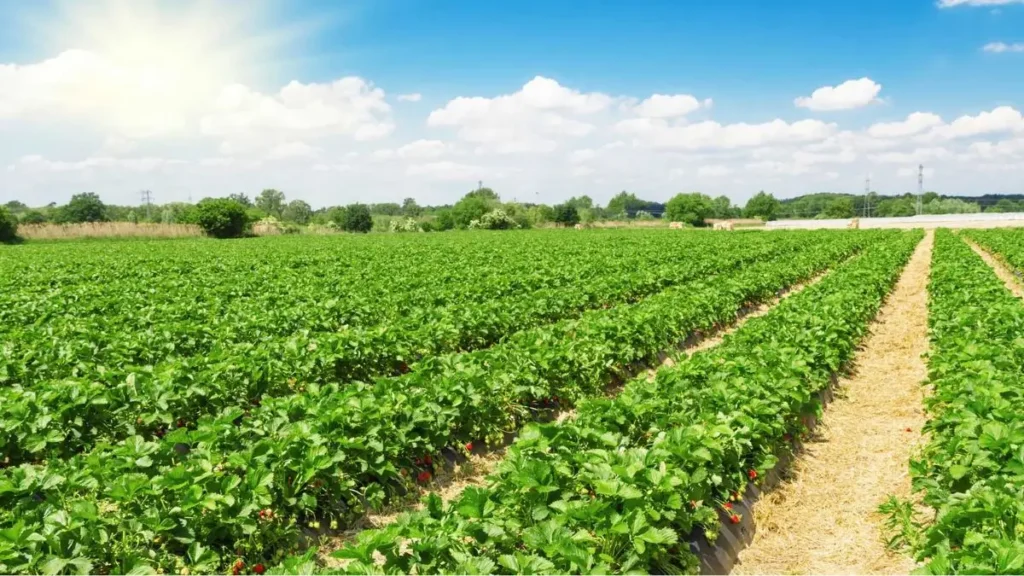
Varanasi Guinness record plantation drive 2026 created history as 2,51,446 saplings were planted in one hour at Sujabad–Domari along the Ganga River, breaking China’s 2018 record and boosting India’s urban afforestation efforts.
Varanasi Creates Guinness World Record with Mega Plantation Campaign
Introduction to the Record-Breaking Plantation Drive
The historic city of Varanasi in Uttar Pradesh recently achieved a remarkable environmental milestone by entering the Guinness World Records for planting the highest number of saplings in a single hour. During a massive plantation campaign organised in March 2026, a total of 2,51,446 saplings were planted within one hour, surpassing the previous record held by China.
This achievement reflects India’s increasing focus on environmental conservation, urban afforestation, and community participation in ecological initiatives. The event was organised by the Varanasi Municipal Corporation and witnessed participation from government departments, security forces, volunteers, and thousands of citizens.
Plantation Site and Record Achievement
The mega plantation drive was conducted at the Sujabad–Domari area on the banks of the Ganga River in Varanasi. The plantation covered around 350 bighas of land, which is now being developed into a large urban forest.
The previous Guinness record for planting saplings in one hour was 1,53,981 saplings, set in China in 2018. The plantation drive in Varanasi exceeded this figure by a significant margin, demonstrating the scale of the initiative and the coordinated efforts of the participants.
The achievement was officially verified by Guinness World Records adjudicator Rishi Nath through drone monitoring and digital counting systems, ensuring accurate documentation of the plantation activity.
Development of an Urban Forest Using Miyawaki Technique
A key feature of the plantation campaign was the use of the Miyawaki technique, a Japanese method of afforestation that promotes dense and fast-growing forests. This method involves planting multiple native species close together so that they grow rapidly and create a self-sustaining ecosystem.
Under this initiative, 27 different native plant species were planted. These include timber trees like sheesham, teak, bamboo and Arjun, fruit-bearing trees such as mango, guava and papaya, and medicinal plants like ashwagandha, shatavari and giloy.
Authorities expect the area to transform into a dense forest within the next few years, significantly increasing green cover in the region.
Organisation and Participation in the Campaign
The plantation campaign involved extensive collaboration between various organisations and institutions. Personnel from the Indian Army, NDRF, CRPF, police forces, and government departments actively participated in the drive. In addition, thousands of students, NCC cadets, NSS volunteers and local residents joined the effort.
The plantation site was divided into 60 sectors, each named after famous ghats of Varanasi such as Dashashwamedh, Manikarnika, Kedar, and Lalita. Each sector planted more than 4,000 saplings to ensure uniform distribution of trees across the area.
Irrigation and Long-Term Sustainability Plan
To ensure the survival and growth of the saplings, authorities installed a robust irrigation system. This system includes a 10.8-kilometre pipeline network, 10 borewells, and 360 rain-gun sprinklers. These facilities will supply water regularly to maintain the health of the newly planted trees.
Officials have also indicated that the project may generate revenue in the future through fruit production and other forest resources, making it both an ecological and economic initiative.

Why This News is Important
Importance for Environmental Conservation
The record-breaking plantation drive in Varanasi highlights the growing emphasis on environmental protection and sustainable development in India. Large-scale afforestation initiatives help increase green cover, improve air quality, and reduce the effects of climate change. By planting over 2.5 lakh saplings in one hour, the campaign demonstrated how collective efforts can significantly contribute to ecological restoration.
Urban areas often face severe environmental challenges such as pollution, rising temperatures, and shrinking green spaces. Projects like the Varanasi urban forest aim to address these issues by creating large green ecosystems within cities.
Significance for Government Policies and Public Participation
The initiative also highlights the importance of community participation in environmental programmes. Thousands of volunteers, students, and government officials worked together to achieve the record, demonstrating the success of collaborative governance in environmental management.
Such campaigns align with broader national missions promoting sustainability, including river conservation, urban greening, and climate action strategies. For competitive exam aspirants, this news is significant because it reflects government initiatives, environmental awareness, and the role of local administrations in implementing large-scale development projects.
Historical Context
Growth of Mass Plantation Campaigns in India
Tree plantation campaigns have been a major component of environmental policy in India for decades. Government initiatives such as Van Mahotsav, started in 1950, encouraged citizens to plant trees and increase forest cover across the country.
In recent years, several states have organised large plantation drives to combat climate change and restore degraded land. These campaigns aim to improve biodiversity, reduce soil erosion, and enhance carbon sequestration.
Previous World Record and Urban Afforestation Efforts
Before the Varanasi campaign, the world record for the highest number of saplings planted in one hour was held by China, which planted 1,53,981 saplings in 2018.
India has also undertaken large-scale plantation initiatives in the past as part of state and national environmental programmes. The Varanasi campaign represents a new milestone in urban afforestation, combining modern technology, scientific plantation techniques, and community involvement to create sustainable green spaces.
Key Takeaways from This News
| S.No | Key Takeaway |
|---|---|
| 1 | Varanasi set a Guinness World Record by planting 2,51,446 saplings in one hour. |
| 2 | The plantation drive was conducted at Sujabad–Domari area along the Ganga River in Uttar Pradesh. |
| 3 | The campaign surpassed the previous record of 1,53,981 saplings set by China in 2018. |
| 4 | The plantation used the Miyawaki technique, which enables dense and fast-growing forests. |
| 5 | The drive involved thousands of volunteers, students, and personnel from the Army, NDRF, and government departments. |
FAQs: Frequently Asked Questions
1. What record did Varanasi recently achieve?
Varanasi created a Guinness World Record for planting the highest number of saplings in one hour, with 2,51,446 saplings planted during a mega plantation drive in March 2026.
2. Where was the record-breaking plantation campaign conducted?
The plantation drive was organised in the Sujabad–Domari area of Varanasi, Uttar Pradesh, along the banks of the Ganga River on around 350 bighas of land.
3. Which organisation organised the plantation campaign?
The drive was organised by the Varanasi Municipal Corporation with participation from the Indian Army, NDRF, CRPF, police personnel, students, and volunteers.
4. What was the previous world record before Varanasi’s achievement?
The earlier record was set in 2018 in China, where 1,53,981 saplings were planted within one hour.
5. Which method was used to develop the urban forest in Varanasi?
The plantation campaign used the Miyawaki technique, a Japanese method that allows trees to grow faster and creates dense forests with native species.
6. How was the Guinness record verified?
The record was verified using drone monitoring and digital counting systems, and the official certificate was presented by Guinness adjudicator Rishi Nath.
7. What is the purpose of the plantation project in Varanasi?
The project aims to create an urban forest and an “oxygen bank”, increase green cover, improve biodiversity, and support sustainable urban development.
8. How many people participated in the plantation drive?
Around 20,000 participants, including volunteers, students, defence personnel, and government officials, took part in the campaign.
Some Important Current Affairs Links

