

Uttar Pradesh GeM procurement reaches ₹65,227 crore, leading India’s digital governance in public procurement. Know key reforms, historical context, and exam-related insights.
Uttar Pradesh Tops Digital Public Procurement with ₹65,227 Crore on GeM 🎯
Digital Procurement Soars in UP
Between fiscal years 2020–21 and 2024–25, Uttar Pradesh emerged as India’s leading state in Government e-Marketplace (GeM) procurement. The state placed orders worth ₹65,227 crore—leaving other states far behind—with ₹16,828.75 crore in FY 2024–25 alone .
Key Reforms in Late 2024
On 26 November 2024, the UP government issued a G.O. aligning its procurement rules with the Centre’s General Financial Rules (GFR) 2017 and GeM’s General Terms & Conditions (GTC). This unified framework mandated 100% adoption of GeM across all public departments
Since inception, GeM has processed over 2.9 crore orders worth ₹14 lakh crore+, covering 11,000+ product categories and 330+ service types In FY 2024–25 alone, it handled 72 lakh+ orders totaling ₹5.43 lakh crore
Centre’s Recognition
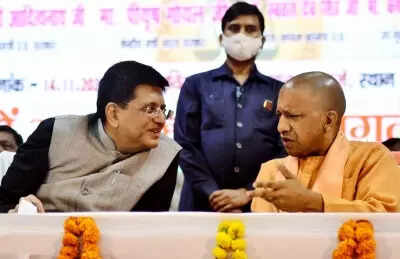
Union Minister of Commerce & Industry Piyush Goyal, in a letter to CM Yogi Adityanath, lauded UP’s model as “a benchmark” for other states. He noted the state’s commitment to transparency, efficiency, and the Digital India vision
Why This News Matters
Significance for Governance
UP’s success reflects a major step towards modernizing public procurement. Using GeM streamlines the process, significantly reducing corruption and administrative delays.
Relevance to Competitive Exams
This story connects deeply with exam topics such as Digital India, e-Governance, General Financial Rules, and transparency in public policy. UP’s proactive adoption of reforms offers a real-world example of technology-enabled governance.
Indicator of National Scale-Up
UP’s large-scale adoption may act as a push for other states to embrace GeM, promoting a nationwide ethos of digital procurement and increasing efficiency in public spending.
Historical Context: Evolution of GeM & Procurement Reforms
- Launch of GeM (2016): Started to shift public procurement to an entirely online model.
- GFR 2017: Revised General Financial Rules aimed at streamlining government spending.
- GeM GTC introduction: Standardized terms and conditions for transactions.
- Progressive adoption: States gradually integrated GeM. As of 2024, GeM’s reach spanned 11,000+ product categories and 330+ service lines
- UP’s landmark G.O. (Nov 2024): Mandated complete dependency on GeM, setting bold precedence for other states
Key Takeaways from “UP Born Digital Procurement”
| # | Key Takeaway |
|---|---|
| 1 | Total GeM orders by UP (FY 2020–25): ₹65,227 crore |
| 2 | FY 2024–25 alone: Orders totaling ₹16,828.75 crore; nationwide procurement on GeM reached ₹5.43 lakh crore via 72 lakh+ orders |
| 3 | UP issued a procurement reform G.O. on 26 Nov 2024, enforcing rules in line with GFR 2017 and GeM GTC |
| 4 | GeM platform statistics: 2.9 crore+ total orders; ₹14 lakh crore+ in value; 11,000+ products; 330+ services |
| 5 | Centre’s endorsement: Minister Goyal praised UP’s model; sees it as a Digital India benchmark |
Frequently Asked Questions (FAQs)
1. What is the Government e-Marketplace (GeM)?
GeM is an online platform launched in 2016 by the Government of India to facilitate transparent and efficient procurement of goods and services by various government departments, ministries, and public sector undertakings.
2. Why is Uttar Pradesh topping GeM procurement important?
Uttar Pradesh’s ₹65,227 crore worth of orders on GeM makes it the highest procuring state, showcasing successful implementation of e-governance and setting a model for other states.
3. What reforms did Uttar Pradesh implement to boost GeM usage?
On 26 November 2024, UP issued a government order aligning its procurement with the Central General Financial Rules (GFR) 2017 and GeM’s General Terms & Conditions, making GeM adoption mandatory across departments.
4. What are the benefits of digital procurement through GeM?
Digital procurement ensures transparency, reduces corruption, promotes ease of doing business, allows faster processing, and ensures value for public money.
5. How is this relevant for competitive exams?
Topics like Digital India, e-Governance, General Financial Rules (GFR), and good governance practices are part of current affairs and polity/economy sections in exams like UPSC, SSC, banking, teaching, and state PSCs.
Some Important Current Affairs Links

