
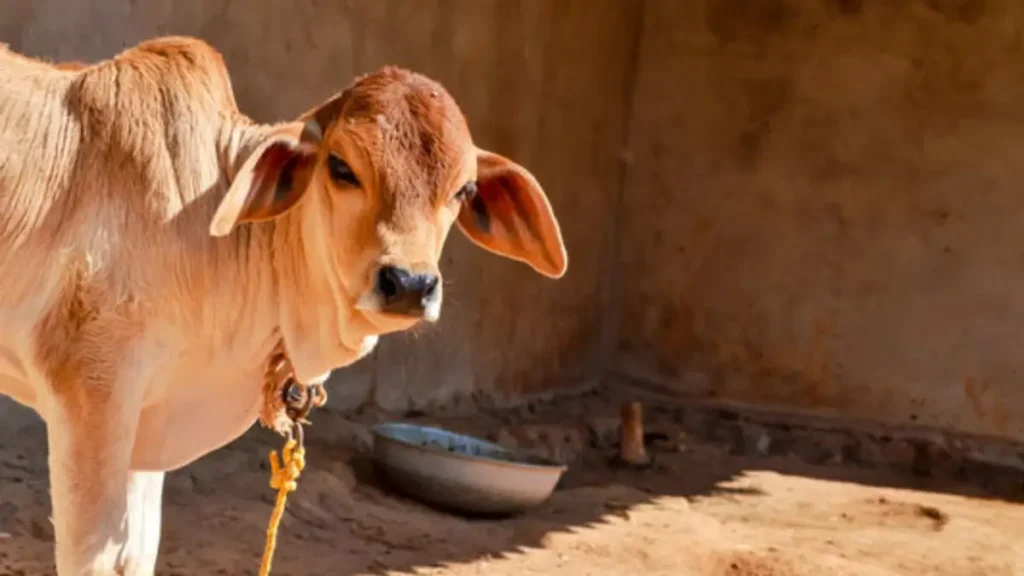
National Cow Culture Museum Mathura is India’s first cow heritage museum showcasing indigenous cattle breeds, dairy economy, and rural development significance. Learn key facts for UPSC, PSC, SSC, Banking, Railways, and Defence exams.
India’s First National Cow Culture Museum to Be Established in Mathura, Uttar Pradesh
India is all set to witness the establishment of its first-ever National Cow Culture Museum in the historic city of Mathura, located in the state of Uttar Pradesh. This unique initiative aims to highlight the cultural, religious, scientific, and economic importance of cattle in Indian society, especially within rural and agrarian contexts.
The proposed museum will be developed on the campus of Pandit Deendayal Upadhyaya Veterinary Science University and is being driven by the Uttar Pradesh Braj Teerth Vikas Parishad, with support from the Uttar Pradesh government. Officials have already completed site inspections and have finalized plans to build a world-class facility that combines tradition with modern technology.
Showcasing Indigenous Breeds and Conservation
One of the museum’s main attractions will be around 100 digital and physical models of indigenous cattle breeds found across India. These exhibits will not only celebrate the diversity of bovine species such as Gir, Sahiwal, and Tharparkar, but will also highlight rare and endangered breeds to emphasize the need for conservation.
Visitors to the museum will learn about the biological characteristics, habitats, habits, and productivity of these breeds. Informational exhibits will showcase how indigenous cattle contribute to food security, rural livelihoods, and sustainable farming practices.
Blending Tradition with Science
The National Cow Culture Museum will present an informative narrative that blends religious and cultural significances of cows—an integral part of Indian ethos—with modern scientific understandings. Special sections will explain the nutritional, medicinal (including Ayurvedic), and economic importance of cows and their by-products like ghee, milk, curd, and cheese.
Interactive digital displays and educational tools will make the museum engaging for a wide range of visitors, from students and researchers to tourists. The museum also plans to include a dairy parlour on its premises where visitors can sample pure dairy products, reinforcing the connection between tradition and everyday life.
Boosting Rural Economy and Cultural Tourism
The initiative is expected to strengthen awareness about cattle’s role in India’s dairy economy and sustainable agriculture. India remains one of the world’s largest producers of milk, and cattle play a pivotal role in supporting rural employment and agrarian livelihoods. By making rural livestock knowledge accessible through an educational platform, the museum will contribute to both cultural preservation and economic literacy.
Moreover, Mathura’s status as a traditional cultural hub—the birthplace of Lord Krishna and a centre of the Braj region—makes it an ideal location for such an initiative. The project is anticipated to become a notable tourist attraction, drawing visitors interested in heritage, culture, and rural development.

Why This News Is Important for Exam Preparation
Understanding current affairs stories like the establishment of India’s first National Cow Culture Museum is crucial for students preparing for government exams such as UPSC (IAS, PCS), SSC, Banking, Railways, Defence, and Teaching Services. This particular news has multiple dimensions—cultural, economic, environmental, and scientific—making it relevant for a variety of exam subjects.
From a cultural perspective, it reflects India’s continued emphasis on the symbolic and traditional value of cows in society. For economics and agriculture, it highlights government efforts to educate people about sustainable livestock management and the dairy economy—important topics in General Studies papers. The initiative also intersects with rural development and ecology, showcasing how traditional practices are being integrated with modern technology for conservation and education.
Additionally, this news offers factual information (location of the museum, number of exhibits, purpose, etc.) that can be directly asked in prelims and mains-type examinations. Candidates can use this topic to discuss themes such as cultural preservation, livestock economy, rural empowerment, and science communication in their answers.
Historical Context: Cows in Indian Heritage and Economy
In Indian civilization, the cow has long been revered as a sacred and nurturing animal, often seen as a symbol of wealth, strength, and abundance. Historically, cattle were tied to agrarian lifestyles, providing draught power, milk, and manure which supported traditional agricultural systems. Over centuries, cows became embedded in religious traditions, cultural rituals, and societal norms.
The newly planned National Cow Culture Museum is built upon this historical legacy but incorporates modern perspectives. India’s White Revolution in the 1970s transformed the dairy sector, making the country the world’s largest milk producer. This added a scientific and economic layer to the traditional reverence of cattle—moving from symbolism to sustained livelihood support.
Key Takeaways from “India’s First National Cow Culture Museum in Mathura”
| Sr. No. | Key Takeaway |
|---|---|
| 1 | India’s first National Cow Culture Museum is being established in Mathura, Uttar Pradesh. |
| 2 | The museum will be located at Pandit Deendayal Upadhyaya Veterinary Science University. |
| 3 | It will showcase around 100 digital and physical models of indigenous cattle breeds. |
| 4 | Exhibits will highlight cultural, scientific, nutritional, and Ayurvedic importance of cows. |
| 5 | The project aims to promote cattle conservation, rural economy, and educational tourism. |
FAQs – India’s First National Cow Culture Museum
1. Where will India’s first National Cow Culture Museum be established?
The museum will be established in Mathura, Uttar Pradesh, a culturally significant city in the Braj region.
2. Which institution’s campus will host the museum?
The museum will come up on the campus of Pandit Deendayal Upadhyaya Veterinary Science University.
3. Which body is responsible for developing this project?
The project is being developed by the Uttar Pradesh Braj Teerth Vikas Parishad with support from the Uttar Pradesh government.
4. What will the museum showcase?
The museum will display around 100 digital and physical models of indigenous cattle breeds such as Gir, Sahiwal, and Tharparkar. It will also highlight their biological traits, economic importance, dairy productivity, and role in sustainable agriculture.
5. Why is Mathura chosen as the location?
Mathura is the birthplace of Lord Krishna and an important cultural and religious center. The cow holds special significance in Krishna traditions, making Mathura symbolically appropriate.
6. How is this news important for competitive exams?
This topic is relevant for UPSC, State PSCs, SSC, Banking, Railways, Defence, and Teaching exams under sections like:
- Indian Culture
- Agriculture & Rural Economy
- Government Schemes & Initiatives
- Livestock Development
- Tourism & Heritage
7. How does this initiative support rural development?
By promoting awareness about indigenous breeds and dairy economy, the museum strengthens knowledge about livestock-based livelihoods, which are crucial for rural employment and sustainable farming.
8. Is this connected to India’s dairy revolution?
Yes. India’s dairy growth is linked to the historic Operation Flood, which made India the world’s largest milk producer. The museum indirectly reinforces this legacy.
Some Important Current Affairs Links

