

UPI Japan launch soon with NPCI and NTT DATA deal. Indian tourists can now enjoy cashless payments, QR-based transactions, and seamless digital payments in Japan.
📰 UPI to Launch in Japan Soon: NPCI–NTT DATA Deal
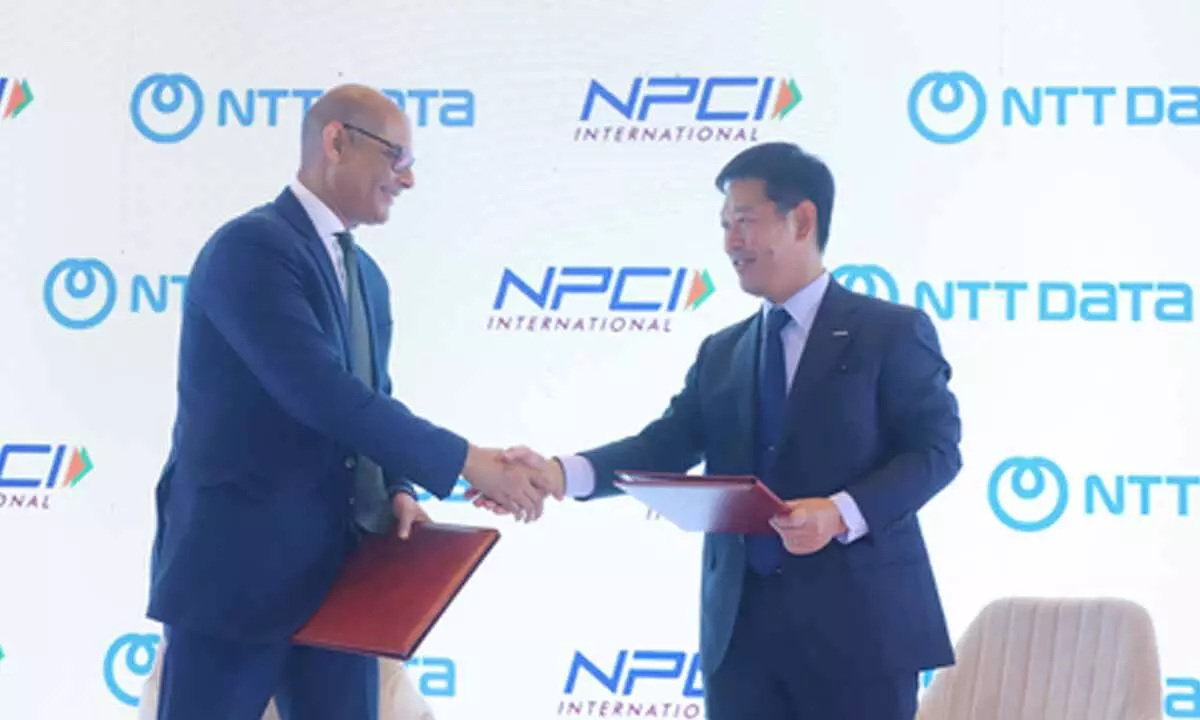
Indian travelers visiting Japan will soon be able to use the Unified Payments Interface (UPI) for everyday transactions, following a major agreement between NPCI International Payments Ltd (NIPL) and NTT DATA Japan. This move aims to provide a seamless, QR-based digital payment experience for Indian tourists, expanding the global footprint of India’s most trusted real-time payment system.
UPI in Japan: What the Deal Involves
Under the new Memorandum of Understanding (MoU), NIPL and NTT DATA will integrate UPI payments into merchant outlets across Japan. Indian users will be able to scan QR codes using their UPI apps and pay instantly in INR, eliminating the need for currency conversion or foreign cards. NTT DATA is a key player in Japan’s payments ecosystem, operating CAFIS, the country’s largest card transaction processing network, which connects merchants, banks, and ATMs nationwide. This collaboration marks a strategic step to make UPI a globally accepted payment platform, offering Indian tourists a more familiar, cashless, and secure experience abroad.
Where Else Is UPI Accepted Globally?
As of now, Indian UPI users can make payments at selected merchant outlets in the following countries:
- Bhutan
- France
- Mauritius
- Nepal
- Singapore
- Sri Lanka
- United Arab Emirates (UAE)
Each of these countries has integrated UPI with their domestic systems to allow Indian visitors to pay using their regular UPI apps like PhonePe, Google Pay, or Paytm. In some countries, UPI integration is in advanced planning or limited rollout stages—such as Qatar, Oman, and the UK—but these are not yet fully operational at all merchant locations.
Why It Matters: Global Expansion of UPI
- Boosts Travel Convenience: Indian tourists no longer need to worry about currency exchange hassles or using foreign credit cards in partner countries.
- Digital Payment Diplomacy: The UPI expansion showcases India’s technological strength in fintech and supports its soft power diplomacy.
- Enhances Financial Inclusion Globally: By offering an alternative to expensive remittance or card-based systems, UPI can support cheaper and more inclusive cross-border payments.
- Supports Indian Economy: A widely accepted UPI system helps Indian travelers, students, and businesses transact globally, supporting trade, tourism, and education links.
📌 Why This News Is Important
Strategic Expansion of UPI
The partnership between NPCI International Payments Ltd (NIPL) and NTT DATA Japan represents a significant milestone in the global expansion of India’s Unified Payments Interface (UPI). This collaboration will enable Indian tourists to make seamless digital payments in Japan, enhancing their travel experience and promoting the adoption of UPI in international markets.
Strengthening Bilateral Relations
This initiative not only facilitates smoother transactions for Indian visitors but also strengthens the economic and technological ties between India and Japan. By integrating UPI into Japan’s payment ecosystem, both nations are fostering closer cooperation in the digital payments sector, which can lead to further collaborative ventures in the future.
Promoting Cashless Transactions
The introduction of UPI in Japan aligns with the global trend towards cashless societies. By offering a secure and efficient alternative to traditional payment methods, UPI encourages the adoption of digital payments, contributing to financial inclusion and economic modernization in both countries.
Enhancing Tourism Experience
For Indian tourists, the ability to use UPI in Japan eliminates the need for currency exchange and the complexities associated with international credit cards. This development simplifies transactions, making travel more convenient and accessible for a broader demographic.
Showcasing India’s Technological Prowess
The successful integration of UPI into Japan’s payment infrastructure showcases India’s leadership in digital payment solutions. It highlights the country’s capacity to develop and implement innovative technologies that meet global standards, enhancing its reputation in the international tech arena.
🕰️ Historical Context
Emergence of UPI
The Unified Payments Interface (UPI) was launched in India in 2016 by the National Payments Corporation of India (NPCI). Designed to facilitate instant, real-time inter-bank transactions, UPI has revolutionized the digital payment landscape in India, offering a secure and user-friendly platform for both peer-to-peer and person-to-merchant transactions.
Global Expansion Efforts
Recognizing the potential of UPI to serve as a global digital payment solution, NPCI International Payments Ltd (NIPL) has been actively working to expand UPI’s reach beyond India. Collaborations with various international partners have led to the integration of UPI in several countries, including Bhutan, Singapore, and the United Arab Emirates, facilitating seamless transactions for Indian travelers and promoting cross-border financial inclusion.
Partnership with NTT DATA Japan
The recent Memorandum of Understanding (MoU) between NIPL and NTT DATA Japan marks a significant step in UPI’s international expansion. NTT DATA’s extensive network in Japan, particularly through its CAFIS platform, provides a robust infrastructure for the integration of UPI, ensuring widespread acceptance across merchant locations. This partnership not only benefits Indian tourists but also contributes to Japan’s broader efforts to promote cashless transactions and modernize its payment systems.
✅ Key Takeaways from “UPI to Launch in Japan Soon: NPCI–NTT DATA Deal”
| # | Key Takeaway |
|---|---|
| 1 | UPI Integration in Japan: Indian tourists can soon use UPI apps to make payments at select Japanese merchants. |
| 2 | Partnership Details: NPCI International Payments Ltd (NIPL) and NTT DATA Japan have signed a Memorandum of Understanding (MoU) to facilitate UPI acceptance in Japan. |
| 3 | NTT DATA’s Role: NTT DATA operates CAFIS, Japan’s largest card transaction processing network, which will enable UPI integration across its merchant network. |
| 4 | Global Expansion: This development is part of India’s broader strategy to expand UPI’s global footprint, with previous integrations in countries like Singapore, UAE, and France. |
| 5 | Benefits for Travelers: The integration allows Indian tourists to make seamless digital payments in Japan, enhancing convenience and supporting cross-border digital payment infrastructure. |
❓ FAQs on UPI Launch in Japan
Q1: What is UPI and who developed it?
A: The Unified Payments Interface (UPI) is a real-time payment system developed by the National Payments Corporation of India (NPCI) to facilitate instant inter-bank transactions.
Q2: Which companies signed the agreement for UPI in Japan?
A: NPCI International Payments Ltd (NIPL) and NTT DATA Japan signed a Memorandum of Understanding to integrate UPI in Japan.
Q3: How will Indian tourists use UPI in Japan?
A: Indian tourists can scan QR codes at participating merchant outlets in Japan using their UPI apps like PhonePe, Google Pay, or Paytm to make instant payments.
Q4: Which network does NTT DATA operate in Japan for payments?
A: NTT DATA operates CAFIS, Japan’s largest card transaction processing network, which will facilitate UPI acceptance across merchant locations.
Q5: In which countries is UPI currently accepted internationally?
A: UPI is currently accepted in Bhutan, France, Mauritius, Nepal, Singapore, Sri Lanka, and the UAE. Integration is in planning for Qatar, Oman, and the UK.
Q6: How does this UPI expansion benefit Indian tourists?
A: It eliminates currency exchange hassles, allows seamless cashless payments, and enhances travel convenience while promoting India’s digital payment system globally.
Q7: Why is UPI considered important for global fintech diplomacy?
A: UPI showcases India’s technological innovation in digital payments, strengthens bilateral ties, and supports cross-border financial inclusion.
Some Important Current Affairs Links

