
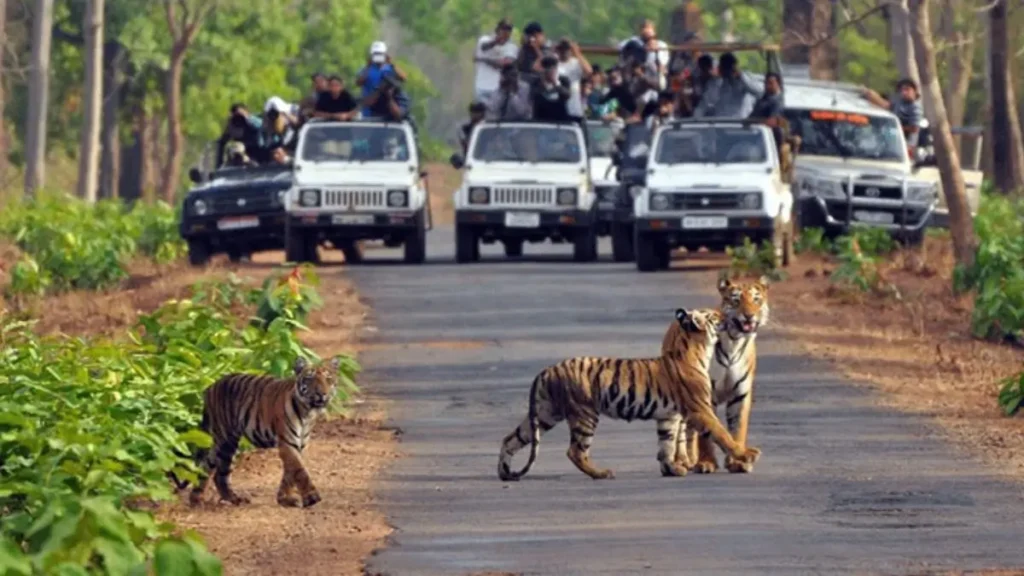
Tiger conservation India 2025 highlights a sharp rise in tiger deaths due to territorial conflicts, habitat saturation, and poaching. Learn latest data and key facts for exams.
📍 India Records Sharp Rise in Tiger Deaths in 2025: A Growing Conservation Concern
India, home to the largest wild tiger population in the world, has witnessed a worrying increase in tiger mortalities in 2025. According to the latest data released by the National Tiger Conservation Authority (NTCA), a total of 166 tigers died across the country in 2025 — a significant rise of 40 deaths compared to 2024. This surge in fatalities underscores emerging challenges in the nation’s tiger conservation efforts even as tiger numbers have shown steady growth over recent years.
🐅 Surge in Tiger Deaths: Latest Data
Official statistics reveal that India’s tiger fatalities reached 166 in 2025, up from 126 recorded in 2024. This increase reflects intensified stress on tiger habitats, rising territorial conflicts, and various human-induced and environmental threats. Among the deceased were 31 tiger cubs, highlighting the vulnerability of younger populations.
📍 States Reporting Highest Tiger Fatalities
The state of Madhya Pradesh — often referred to as India’s “Tiger State” — saw the highest number of tiger deaths (55) in 2025. Other states with significant figures included:
- Maharashtra: 38 deaths
- Kerala: 13 deaths
- Assam: 12 deaths
States with large tiger populations naturally tend to report higher mortality counts due to greater monitoring and larger territories.
🧠 Key Causes Behind Increased Mortality
📌 Territorial Infighting and Habitat Saturation
Wildlife experts attribute a substantial portion of the fatalities to intraspecies conflicts. As tiger populations grow, available forest space and natural corridors remain limited, leading to territorial fights. Young and dispersing tigers often clash with established adults while searching for habitat — often with fatal results.
📌 Natural Causes and Poaching Threats
In regions like Madhya Pradesh, natural causes accounted for more than 38 out of 55 deaths, especially among cubs and young tigers. Around 10 deaths were linked to poaching — including electrocution from illegal fencing and non-targeted killings. All tiger deaths are treated as potential poaching cases unless proved otherwise.
🌳 Conservation Success & Persistent Challenges
While India’s tiger population — estimated at 3,682 in 2022 — has shown remarkable growth due to dedicated conservation initiatives, the rise in deaths casts a spotlight on ongoing management challenges. Habitat fragmentation and human–animal conflicts continue to impede sustainable wildlife conservation.
🐯 What This Means for India’s Tiger Conservation Strategy
In response to rising mortalities, the NTCA and state forestry bodies are strengthening monitoring protocols, field patrols, and anti-poaching measures. The focus remains on balancing population growth with habitat expansion, conflict mitigation, and community engagement to safeguard tiger populations for the future.

❗ Why This News Is Important for Government Exams
📌 Relevance to Environmental and Biodiversity Topics
This news is highly significant for aspirants preparing for competitive exams like UPSC, PSCs, SSC, IBPS, and Defence Services because it highlights India’s wildlife conservation challenges, particularly related to biodiversity protection. Questions on Project Tiger, National Tiger Conservation Authority (NTCA), and Wildlife (Protection) Act, 1972 often appear in General Studies papers under Environment & Ecology. Understanding current mortality trends helps contextualize how conservation policies are evolving.
📌 Policy and Governance Implications
The rising tiger deaths indicate gaps between policy formulation and field implementation. Evaluating why conservation success in population growth isn’t matched by stability in mortality rates helps aspirants grasp governance issues, habitat management challenges, and the importance of inter-departmental coordination in wildlife protection — topics frequently tested in civil services and state PSC exams.
📌 Exam Keywords & Current Affairs Context
For students, this news feeds into keywords such as:
- Tiger conservation
- Habitat fragmentation
- Human–wildlife conflict
- NTCA
- Wildlife monitoring
Being able to discuss both positive and negative aspects of India’s tiger conservation efforts — including international commitments like the Global Tiger Forum — is vital for essay writing, analytical answers, and interview discussions.
🏛️ Historical Context: Tiger Conservation in India
🌿 Project Tiger: A Landmark Initiative
India launched Project Tiger in 1973 with the primary goal of protecting the dwindling tiger population and preserving India’s ecological heritage. Over the decades, the initiative expanded to include multiple tiger reserves with focused anti-poaching measures, habitat restoration, and community involvement.
📊 Growth in Tiger Numbers
Through strengthened monitoring, stricter laws, and widespread awareness, India’s tiger population has seen an impressive rise. According to census data, the tiger count increased from just over 2,900 in 2018 to approximately 3,682 in 2022. This success led to India becoming home to nearly 75% of the world’s tiger population.
📉 Emerging Mortality Challenges
Despite this population growth, rising fatalities — as seen in 2025 — reveal ongoing issues such as habitat fragmentation, human–animal conflict, and illegal activities. The focus now extends beyond numbers to ensuring long-term survival and sustainable habitats for these apex predators.
📌 Key Takeaways from “Rise in Tiger Deaths in India in 2025”
| S.No. | Key Takeaway |
|---|---|
| 1. | India recorded 166 tiger deaths in 2025, the highest in recent years. |
| 2. | Madhya Pradesh reported the most tiger fatalities (55) in 2025. |
| 3. | Territorial infighting and habitat saturation are key causes of increased deaths. |
| 4. | Tiger population growth has created space competition in limited forests. |
| 5. | Conservation efforts continue, but challenges persist in habitat management and human–wildlife conflict mitigation |
FAQs: Frequently Asked Questions
1. How many tigers died in India in 2025?
India recorded 166 tiger deaths in 2025, a sharp rise compared to 126 deaths in 2024, highlighting emerging conservation challenges.
2. Which Indian state reported the highest number of tiger deaths in 2025?
Madhya Pradesh reported the highest number of tiger fatalities, with 55 tigers dying, making it the state with the greatest concern for tiger conservation.
3. What are the main causes behind the rise in tiger deaths?
The key causes include territorial infighting, habitat saturation, natural causes, and poaching-related incidents. Young tigers, especially dispersing cubs, are most vulnerable to territorial conflicts.
4. What is the role of NTCA in tiger conservation?
The National Tiger Conservation Authority (NTCA) monitors tiger populations, implements anti-poaching measures, ensures habitat management, and coordinates with state governments to reduce mortality rates.
5. What historical steps has India taken to protect tigers?
India launched Project Tiger in 1973, created tiger reserves, enforced stricter wildlife laws like the Wildlife Protection Act, 1972, and increased monitoring to grow the population from around 2,900 in 2018 to 3,682 in 2022.
6. How does tiger mortality affect biodiversity and ecology?
Tigers are apex predators, and their decline can disrupt forest ecosystems, affect prey populations, and indicate problems in habitat conservation, impacting overall biodiversity.
7. Are poaching and human conflict still significant threats?
Yes, despite conservation efforts, poaching, illegal fencing, and human–wildlife conflict remain significant contributors to tiger mortality, requiring stricter enforcement and community engagement.
8. How is tiger conservation relevant to competitive exams?
Questions on Project Tiger, NTCA, Wildlife Protection Act, tiger population trends, and human–wildlife conflict often appear in UPSC, PSC, SSC, IBPS, and Defence exams, particularly in Environment & Ecology sections.
Some Important Current Affairs Links

