
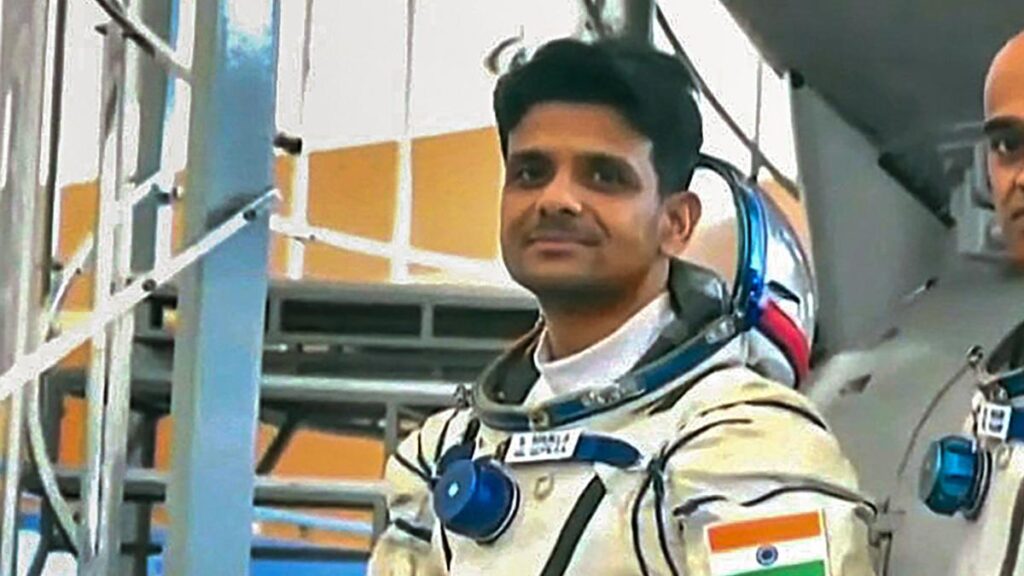
Shubhanshu Shukla ISS mission marks India’s first astronaut aboard the space station in 2025, returning with key ISRO microgravity experiments vital for Gaganyaan preparations.
🌌 India’s Historic ISS Homecoming: Shubhanshu Shukla Returns to Earth
Mission Overview
Indian Air Force Group Captain Shubhanshu Shukla, part of Axiom Space’s Ax‑4 mission, safely splashed down off San Diego on July 15, 2025, at around 15:01 IST, after nearly 18 days aboard the International Space Station (ISS). He became the first Indian astronaut to visit the ISS and the second Indian in space, following Rakesh Sharma’s 1984 flight
Pioneering Experiments
During his mission, Shukla conducted seven ISRO-designed experiments, including studies on microgravity effects on stem cells, muscle degradation supplements, microalgae growth, and seed germination—important for future long-duration missions like Gaganyaan
Timeline Highlights
- Launch: Lift-off on June 25, 2025, aboard SpaceX Falcon 9 from Kennedy Space Center
- Docking: Entered ISS on June 26, 2025.
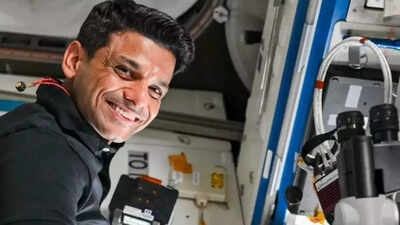
- On‑orbit Stay: Conducted experiments, shared live outreach with PM Modi and students, and took part in zero‑gravity demos
- Return: Undocked July 14, splashed down July 15, followed by post-flight recovery and rehabilitation
Triumphant Reception
Prime Minister Narendra Modi praised Shukla for inspiring “a billion dreams” and reaffirmed this mission as a stepping stone toward Gaganyaan, India’s indigenous crewed spaceflight Defence Minister Rajnath Singh also expressed pride, speaking to Shukla’s father
Why This News Matters
Boost to India’s Human Spaceflight
Shukla’s mission breaks a 41-year hiatus in Indian human spaceflight and places India among nations conducting active ISS missions The real-time collaboration with NASA, ESA, and SpaceX demonstrates India’s growing edge in space diplomacy and science partnerships.
Technological & Scientific Gains
The seven microgravity experiments on vital sectors like tissue engineering, agriculture, and human physiology pave the way for Gaganyaan’s mission-readiness. Insights from living in orbit will shape training, design, and safety protocols for future missions
Inspirational Value
Shukla’s live communications—through amateur radio and video calls—with students and PM Modi serve twin roles: boosting public awareness and motivating India’s next generation of scientists and explorers
Historical Context
1. From Rakesh Sharma to Shubhanshu Shukla
- 1984: Wing Commander Rakesh Sharma became the first Indian in space aboard the Soviet Soyuz T‑11, marking India’s first human spaceflight.
- 2025: After four decades, Shukla steps onto the ISS, transitioning from diplomatic orbit to scientific objectives—a leap from symbolism to utility
2. Rise of Commercial Space Missions
Unlike Sharma’s state-sponsored flight, Shukla flew aboard a private commercial mission—Axiom Space’s Ax‑4—representing a global shift toward commercialised human spaceflight
3. Gaganyaan’s Path
Shukla’s successful orbital stint and data return inform India’s Gaganyaan mission, scheduled for 2027. His flight offers essential experience for crew selection, health studies, and mission planning
Key Takeaways from “Shubhanshu Shukla’s ISS Mission”
| No. | Key Takeaway |
|---|---|
| 1. | First Indian on ISS: Shukla is the first Indian astronaut to visit the ISS, and the second Indian in space after Rakesh Sharma |
| 2. | Seven ISRO Experiments: Conducted microgravity research on stem cells, microalgae, seed germination, muscle-atrophy supplements, etc. |
| 3. | 41-Year Gap Ended: India resumes human spaceflight after a four-decade hiatus following Sharma’s mission |
| 4. | International Collaboration: Ax‑4 mission highlights global cooperation—ISRO, NASA, ESA, SpaceX—in crewed space science. |
| 5. | Pathway to Gaganyaan: Findings and operational experience directly support India’s upcoming indigenous crewed mission |
FAQs: Frequently Asked Questions
1. Who is Group Captain Shubhanshu Shukla?
Group Captain Shubhanshu Shukla is an Indian Air Force officer and astronaut who became the first Indian to visit the International Space Station (ISS) as part of the Axiom Space Ax-4 mission in 2025.
2. When did Shubhanshu Shukla return to Earth?
He returned to Earth on July 15, 2025, after an 18-day mission aboard the ISS.
3. What was the purpose of his mission?
The mission aimed to conduct seven experiments developed by ISRO, focused on microgravity’s effects on biology, agriculture, and human physiology, to gather data for the upcoming Gaganyaan mission.
4. How is this mission different from Rakesh Sharma’s?
Rakesh Sharma flew to space in 1984 aboard a Soviet mission. In contrast, Shukla’s mission was part of a commercial space flight, representing India’s entry into international collaboration in space research and diplomacy.
5. What is the significance of the Ax-4 mission for India?
The Ax-4 mission is India’s first human spaceflight to the ISS and serves as a testbed for technologies and training that will be used in the Gaganyaan crewed mission by ISRO.
Some Important Current Affairs Links

