
Karnataka’s District Known as the “City of Sarees”
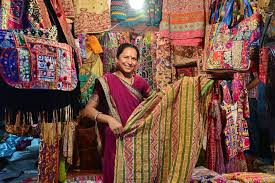
Karnataka, a state renowned for its rich cultural heritage and diverse industries, boasts a district popularly known as the “City of Sarees.” This title is attributed to the district of Shivamogga, a prominent hub for handloom saree production. Renowned for its intricate craftsmanship and exquisite designs, this district has carved a niche in the textile industry, particularly in the production of sarees that represent India’s traditional wear.
Why Shivamogga is Called the City of Sarees?
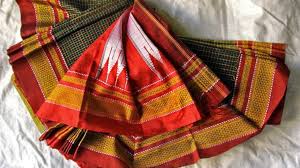
Shivamogga is famed for its production of handwoven sarees, particularly Ilkal sarees, known for their durability, vibrant colors, and unique borders featuring traditional patterns. The sarees are crafted using traditional weaving techniques passed down through generations. Artisans of this district take pride in maintaining the legacy of handloom sarees, contributing significantly to the livelihood of local weavers and promoting sustainable practices in textile production.
Economic and Cultural Impact of Saree Production
The saree industry in Shivamogga not only drives economic growth but also preserves Karnataka’s rich cultural heritage. The handloom sector employs thousands of families, ensuring the survival of traditional weaving techniques in the face of modern challenges. The government and local organizations have been instrumental in promoting these sarees through exhibitions, fairs, and subsidies for artisans, making Shivamogga a key contributor to Karnataka’s cultural identity.
Why This News is Important
Highlighting Traditional Arts and Culture
The recognition of Shivamogga as the “City of Sarees” emphasizes the importance of preserving India’s cultural heritage. For aspirants preparing for competitive exams, understanding such unique contributions by districts helps in questions related to Indian culture and economy.
Boosting Local Economies
The handloom industry’s contribution to Shivamogga’s economy exemplifies the role of small-scale industries in rural development. Competitive exam questions often touch upon local industries, making this information relevant for general knowledge and socio-economic topics.
Promoting Sustainable Practices
The focus on handwoven sarees highlights sustainable production methods. This connects with exam themes related to environment-friendly practices and the promotion of traditional industries in modern economies.
Historical Context: The Legacy of Ilkal Sarees
The history of handwoven sarees in Karnataka, particularly Ilkal sarees, dates back several centuries. Originating in the town of Ilkal in Bagalkot district, this weaving technique spread across neighboring areas, including Shivamogga. These sarees became an integral part of Karnataka’s culture, admired for their unique features like pallus woven with contrasting designs and zari threads. Over time, the craft adapted to modern tastes while retaining its traditional essence, ensuring its survival and growth.
Key Takeaways from “Shivamogga: The City of Sarees”
| Serial No. | Key Takeaway |
|---|---|
| 1 | Shivamogga in Karnataka is popularly known as the “City of Sarees.” |
| 2 | The district is renowned for producing traditional Ilkal sarees. |
| 3 | Saree production contributes significantly to the local economy and preserves cultural heritage. |
| 4 | Traditional handloom sarees from Shivamogga are known for their vibrant colors and durability. |
| 5 | Government initiatives support artisans through subsidies and promotional events. |
Important FAQs for Students from this News
Which district in Karnataka is known as the “City of Sarees”?
Shivamogga district is known as the “City of Sarees” in Karnataka.
What type of sarees is Shivamogga famous for?
Shivamogga is renowned for producing handwoven Ilkal sarees, known for their vibrant colors and intricate designs.
How does the saree industry contribute to Shivamogga’s economy?
The saree industry supports the livelihood of thousands of artisans and promotes traditional weaving techniques, contributing significantly to the local economy.
What makes Ilkal sarees unique?
Ilkal sarees are characterized by their durability, vibrant colors, and distinctive borders with traditional patterns, often featuring contrasting pallus.
How is the government supporting the saree industry in Shivamogga?
The government provides subsidies, organizes exhibitions, and promotes handloom sarees through fairs and cultural events to support artisans and the industry.
Some Important Current Affairs Links

