
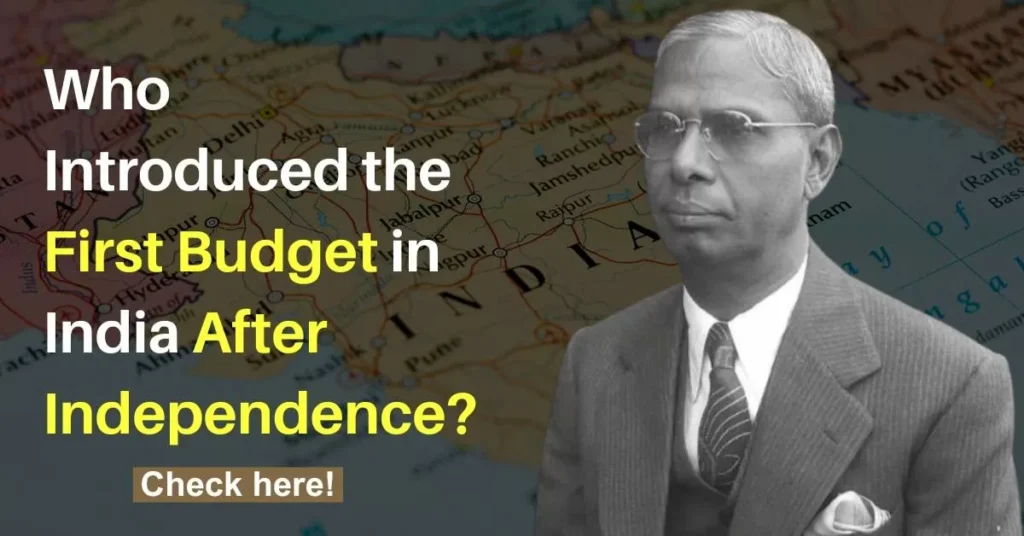
Father of Indian Budget – Who Was It?
Introduction: The Role of Budgeting in India
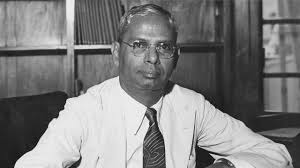
The Union Budget of India plays a significant role in the country’s economic development and policy-making. It is a critical financial document that outlines the government’s revenue and expenditure for the coming year. The process of budgeting in India has a long and evolving history. One individual who is synonymous with the modern-day Indian budget is Shanmukham Chetty, often referred to as the “Father of the Indian Budget.”
Shanmukham Chetty: The Pioneer of the Indian Budget
Shanmukham Chetty made history by presenting the first-ever Union Budget of independent India on November 26, 1947. As the Finance Minister of India, he laid the foundation for India’s financial system and public finance management. His budget marked a turning point in the nation’s economic history, setting the stage for future fiscal policies and governance.
Chetty’s budget was formulated at a time of immense challenges, as India was dealing with the aftermath of independence, the partition, and the economic situation left by British colonial rule. Despite these obstacles, his budget reflected optimism and a strong desire for the economic progress of the newly independent nation.
Key Highlights of the First Indian Budget
The first budget presented by Shanmukham Chetty was a modest one, with a total expenditure of around ₹29 crore. The budget proposed plans for the rehabilitation of refugees, improving infrastructure, and financing the development of various sectors, especially agriculture and industry. Despite its limited scope, it was groundbreaking as it laid the foundation for future budgets.
The Legacy of the Indian Budget
Over the years, the Indian Union Budget has evolved significantly. From the modest budget of 1947 to the massive financial documents of recent years, the Union Budget has played a key role in shaping India’s economic growth and policies. Today, the Budget is one of the most important annual events in India, with the Finance Minister presenting it before Parliament.
Why This News is Important: Understanding the Role of the First Budget
The Significance of Shanmukham Chetty’s Contribution
Shanmukham Chetty’s contribution to India’s fiscal framework cannot be overstated. The first Indian Union Budget served as the starting point for a series of economic policies that have impacted India’s trajectory for over seven decades. His efforts were instrumental in establishing the process of budgeting in India, which continues to guide the government’s economic decisions today.
The budget was essential in charting a course for India’s post-independence economic recovery and development. In a time of transition and uncertainty, the first budget aimed to address some of the most urgent issues such as national integration and rebuilding infrastructure. As such, it set a precedent for future budgets, shaping economic policy and governance in the country for decades to come.
Financial Management and Policy Framework
The Union Budget not only reflects the financial health of the nation but also acts as a roadmap for how the government plans to achieve its developmental goals. Each year, the Budget outlines strategies for tax reforms, public expenditure, and social welfare schemes. The role of Shanmukham Chetty in laying the foundations for this annual exercise holds immense importance for policymakers, economists, and civil servants today.
Historical Context: Background and Significance of Indian Budgeting
British Colonial Era and Budgeting in India
Before India gained independence, budgeting was largely a colonial exercise. The British Government in India had a central budget which was primarily designed to serve British interests. The first budget in India under British rule was presented in 1860, with the primary aim of balancing the colonial accounts. Post-independence, India sought to break free from colonial legacies and shape its own fiscal policy.
The First Budget After Independence
When India achieved independence in 1947, the country faced significant economic challenges. The country’s finances were depleted, and infrastructure was in shambles due to decades of colonial exploitation. The Indian government, under the leadership of Jawaharlal Nehru, took bold steps to lay the foundation for industrialization and agricultural growth.
In this context, Shanmukham Chetty’s first budget in 1947 marked a turning point. It was the beginning of a new financial era, reflecting India’s aspirations for self-reliance and long-term economic progress. The challenges of partition, migration, and rebuilding required a sensitive and strategic approach, which Chetty’s budget embodied.
Evolution of Indian Budgeting Practices
Since then, the Union Budget has evolved through various phases, reflecting changing political, economic, and social realities. From a modest budget in the initial years to the development-oriented budgets of the 1990s, and the market-driven budgets of the 21st century, India’s budgeting practices have shaped its growth trajectory.
Key Takeaways from “Father of Indian Budget”
| Serial Number | Key Takeaway |
|---|---|
| 1 | Shanmukham Chetty presented India’s first Union Budget on November 26, 1947. |
| 2 | The first budget was crucial for the post-independence reconstruction of India. |
| 3 | It proposed plans for refugee rehabilitation and development of agriculture and industry. |
| 4 | The total expenditure of the 1947 budget was ₹29 crore. |
| 5 | India’s Union Budget has evolved into one of the most critical financial documents guiding the country’s economic policies. |
Important FAQs for Students from this News
Who is known as the ‘Father of the Indian Budget’?
Answer: Shanmukham Chetty is known as the ‘Father of the Indian Budget’ for presenting the first Union Budget of independent India on November 26, 1947.
When was the first Indian Union Budget presented?
Answer: The first Indian Union Budget was presented on November 26, 1947, by Shanmukham Chetty.
What was the total expenditure in the first Indian Union Budget?
Answer: The total expenditure in the first Indian Union Budget was ₹29 crore.
What were some key areas addressed in the first Indian Budget?
Answer: The first Indian Budget focused on rehabilitation of refugees, infrastructure development, and boosting agriculture and industry.
How did the first Indian Union Budget contribute to the country’s post-independence development?
Answer: The first Union Budget laid the foundation for India’s economic recovery post-independence by addressing critical issues like national integration, rebuilding infrastructure, and planning for long-term economic growth.
Some Important Current Affairs Links

