

Sagarmala Finance Corporation Limited launched to revolutionize maritime financing in India. Learn how this NBFC supports ports, startups, MSMEs, and green projects under Sagarmala and Maritime Amrit Kaal Vision 2047.
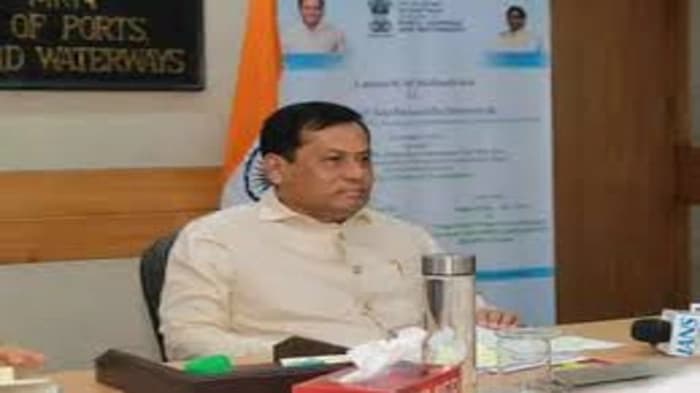
📰 Sonowal Inaugurates Sagarmala Finance Corporation to Boost Maritime Financing
A Landmark Move for India’s Maritime Sector
Union Minister Sarbananda Sonowal officially launched Sagarmala Finance Corporation Limited (SMFCL)—the first-ever dedicated NBFC for India’s maritime industry—on June 26, 2025 Originally part of the Sagarmala Development Company, SMFCL is now registered with the RBI (as of June 19, 2025) and holds Mini‑Ratna Category‑I status The objective is to address critical financing gaps in maritime infrastructure, empowering stakeholders such as ports, MSMEs, startups, shipping companies, and maritime educational institutes with tailored financial products—short, mid, and long-term loans
Strengthening the Sagarmala & Maritime Amrit Kaal Vision
This development amplifies the Sagarmala Programme—launched in March 2015—to modernize ports, improve connectivity, and boost coastal communities It also aligns with India’s long‑term Maritime Amrit Kaal Vision 2047, earmarking the maritime sector as a cornerstone for global trade leadership
Broad-ranging Sectoral Support
Unlike traditional NBFCs, SMFCL’s scope is sector-specific. Beyond ports and shipping, it will fund shipbuilding, cruise tourism, renewable energy, maritime R&D, training institutions, and green-tech initiatives—unlocking new growth opportunities
Institutional Backing & Governance
The inauguration ceremony included MoS Shantanu Thakur and MoPSW Secretary T.K. Ramachandran Under the banner of a public sector enterprise, SMFCL will operate under MoPSW’s guidance, supported by policies such as “Viksit Bharat” and the flagship Sagarmala scheme
Why This News Is Important
Enhancing India’s Blue Economy & Logistics
SMFCL represents the government’s strategic pivot to form an NBFC focusing solely on maritime financing. This move aligns with the rising global importance of maritime technology and logistics. Bridging traditional financing gaps in port infrastructure and coastal industries is vital for reducing supply chain costs and bolstering India’s standing as a global trade hub.
Boosting Employment and MSME Growth
By extending credit to startups, MSMEs, and educational entities in coastal zones, SMFCL will foster job creation, local entrepreneurship, and skills development. This approach is especially relevant to aspirants preparing for defence, railways, teaching, and civil service roles, where understanding sectoral growth drivers is crucial.
Fostering Sustainability & Innovation
The NBFC’s emphasis on green and renewable maritime initiatives reinforces India’s commitment to sustainable development. With growing global scrutiny on carbon emissions and eco‑friendly infrastructure, knowledge of such strategic financial instruments is critical for aspirants in civil services and banking examinations.
Historical Context: Backdrop of Sagarmala and Maritime Finance
Origins of the Sagarmala Programme
Launched by the Union Cabinet on March 25, 2015, Sagarmala is a flagship initiative of the Ministry of Ports, Shipping & Waterways designed to unlock India’s maritime potential. It aims to upgrade ports, improve connectivity, promote industrial growth, nurture coastal communities, and enhance inland water transport
Evolution to SMFCL
In August 2016, Sagarmala Development Company Limited (SDCL) was established to finance project SPVs and offer technical support via DPRs To meet growing sector-specific financing demands, SDCL was converted into SMFCL in June 2025, following registration as an NBFC with RBI in order to better support project funding.
Maritime Amrit Kaal Vision 2047
Announced to mark India’s centenary of independence, this vision underscores the role of the maritime sector in trade, logistics, sustainability, and defence. SMFCL’s formation is a strategic building block in realizing this long-term blueprint
Key Takeaways from “Sagarmala Finance Corporation Launch”
| № | Key Takeaway |
|---|---|
| 1 | First maritime-specific NBFC: SMFCL is India’s inaugural Non-Banking Financial Company solely focused on maritime infrastructure |
| 2 | Official RBI registration: The company was registered as an NBFC under RBI on June 19, 2025, marking its legal and regulatory debut . |
| 3 | Broad sector coverage: Funds will support ports, MSMEs, startups, shipbuilding, cruise tourism, maritime education, and green energy . |
| 4 | Aligned with national initiatives: SMFCL amplifies the objectives of Sagarmala and supports the Maritime Amrit Kaal Vision 2047 . |
| 5 | Catalyst for blue economy growth: The NBFC aims to bridge financing gaps and foster sustainable maritime development, strengthening India’s position in global trade. |
Frequently Asked Questions (FAQs)
1. What is the Sagarmala Finance Corporation Limited (SMFCL)?
Sagarmala Finance Corporation Limited (SMFCL) is India’s first dedicated Non-Banking Financial Company (NBFC) focused exclusively on financing the maritime and port sectors. It is registered with the RBI and has Mini-Ratna Category‑I status.
2. Why was SMFCL established?
It was created to bridge the financial gaps in the maritime sector, particularly to support projects under the Sagarmala Programme and India’s Maritime Amrit Kaal Vision 2047. The corporation is tasked with funding infrastructure, MSMEs, startups, and sustainability projects in the maritime ecosystem.
3. What sectors will SMFCL provide funding to?
SMFCL will provide financial assistance to ports, shipbuilding, cruise tourism, MSMEs, startups, maritime educational institutions, renewable energy projects, and green maritime technologies.
4. What is the Sagarmala Programme?
Launched in March 2015, the Sagarmala Programme aims to reduce logistics costs and improve port-led development by modernizing ports, enhancing connectivity, and encouraging coastal economic zones.
5. How is this important for government exam aspirants?
The formation of SMFCL is relevant to exams covering economic policies, infrastructure development, Indian geography, logistics reforms, maritime strategy, and blue economy topics, especially for UPSC, SSC, defence, banking, teaching, and railway exams.
Some Important Current Affairs Links

