
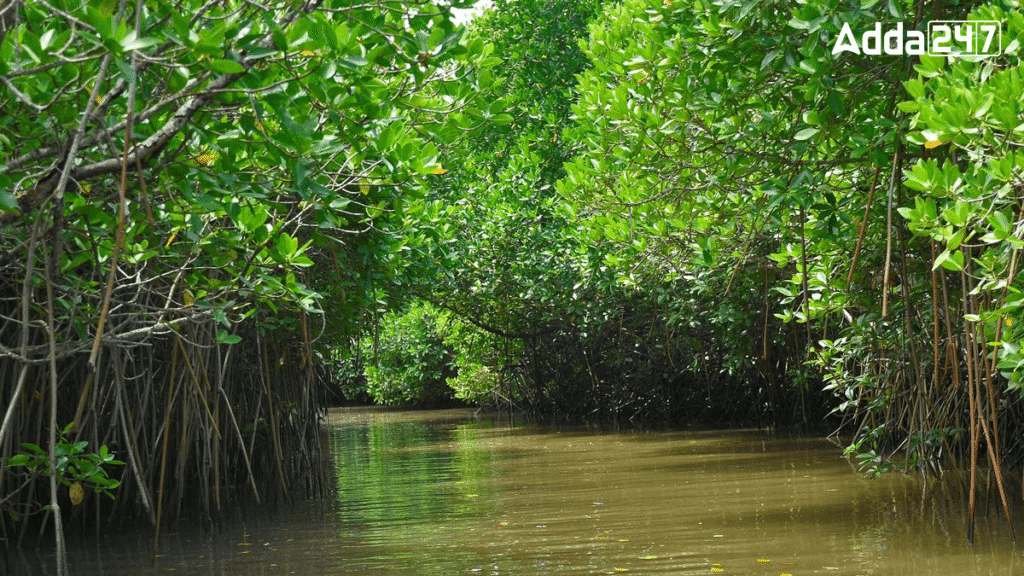
Ramsar Sites in India 2025 list explained with key facts, importance, and exam-focused insights for UPSC, SSC, banking, railways and defence aspirants.
📰 Comprehensive List of Ramsar Sites in India as of 2025 – Explained for Competitive Exam Aspirants
Wetlands are among the most productive ecosystems on Earth, and India’s rich diversity of wetland habitats plays a crucial role in supporting biodiversity, regulating climate, controlling floods, and sustaining local livelihoods. Under the Ramsar Convention on Wetlands, internationally important wetlands are recognized as Ramsar Sites — a status that underscores their ecological significance and the need for conservation.
India has significantly increased its Ramsar sites over the years, reaching a total of 85 internationally designated wetlands as of 2025. These protected wetlands are spread across multiple Indian states and union territories and host migratory birds, rare species, and unique ecosystems.
🏞️ What Are Ramsar Sites? – Concept and Importance
Ramsar Sites are wetlands of international importance designated under the Ramsar Convention, an international treaty signed on February 2, 1971 in Ramsar, Iran — now celebrated globally as World Wetlands Day. The convention focuses on the conservation and sustainable use of wetlands, emphasizing their ecological functions and benefits to humanity.
The designation encourages countries to safeguard wetland ecosystems, protect biodiversity, maintain hydrological processes, and support sustainable livelihoods for local communities.
📍 State-Wise Distribution of Ramsar Sites in India (2025)
Below is a state-wise overview of Ramsar Sites in India (2025) — a must-know list for students preparing for UPSC, SSC, Railways, Banking, Defence, and other exams:
🗺️ Major States and Their Ramsar Sites
- Andhra Pradesh
• Kolleru Lake - Tamil Nadu
• Vellode Bird Sanctuary, Kanjirankulam Bird Sanctuary, Longwood Shola Reserve Forest, Karaivetti Bird Sanctuary, Vaduvur Bird Sanctuary, Suchindram Theroor Wetland Complex, Chitrangudi Bird Sanctuary, Udayamarthandapuram Bird Sanctuary, Vedanthangal Bird Sanctuary, Vembhur Wetland Complex, Koonthankulam Bird Sanctuary, Karikili Bird Sanctuary, Pichavaram Mangrove, Gulf of Mannar Marine Biosphere Reserve, Pallikaranai Marsh Reserve Forest, Point Calimere Wildlife Bird Sanctuary, Kazhuveli Sanctuary, Nanjarayan Bird Sanctuary - Kerala
• Vembanad Kol Wetland, Sasthamkotta Lake, Ashtamudi Wetland - Karnataka
• Aghanashini Estuary, Magadi Kere Conservation Reserve, Ranganathittu Bird Sanctuary, Ankasamudra Bird Conservation Reserve - Gujarat
• Nalsarovar Bird Sanctuary, Thol Lake Wildlife Sanctuary, Vadhvana Wetland, Khijadiya Wildlife Sanctuary - West Bengal
• East Kolkata Wetlands, Sunderban Wetland - Rajasthan
• Sambhar Lake, Keoladeo National Park
(And several more across Uttar Pradesh, Maharashtra, Odisha, Punjab, Haryana, Madhya Pradesh, Bihar, Himachal Pradesh, Jammu & Kashmir, UT of Ladakh, Uttarakhand, Mizoram, Manipur, Assam, Tripura).
Students should note that these wetlands represent different ecosystems — freshwater marshes, estuaries, mangroves, lagoons, rivers and high-altitude lakes — which make India a mosaic of wetland biodiversity.
🌿 Ecological Functions of Ramsar Sites
Ramsar Sites are prioritized for conservation due to a number of key ecological functions:
- Habitat for Migratory Birds: Serve as crucial stopovers and habitats for migratory species during seasonal movements.
- Biodiversity Hotspots: Support a vast range of flora and fauna, including many endangered and endemic species.
- Water Regulation: Help in groundwater recharge, purification, flood mitigation, and maintenance of hydrological balance.
- Climate Change Resilience: Act as carbon sinks and buffer zones against extreme weather events.
- Livelihood Support: Provide resources — fish, fodder, reeds — that local communities depend on sustainably.
🌏 International and National Importance
India’s growing number of Ramsar Sites highlights the country’s commitment to global environmental goals. These designations align with India’s biodiversity conservation goals, its National Wetlands Protection Programme, and international obligations under the Convention on Biological Diversity (CBD).
For competitive exam aspirants, knowledge of Ramsar Sites is frequently tested in General Studies – Environment and Ecology, Geography, Static GK, and Current Affairs sections.

📌 Why This News Matters for Government Exams
Wetland conservation and Ramsar site designations are crucial topics under Environment & Ecology, a high-scoring area in exams like:
- UPSC Civil Services (IAS, PCS)
- SSC CGL & CHSL
- Banking Exams (IBPS, SBI PO/Clerk)
- Railways
- State Exams for Teachers & Police
- Defence Exams (NDA, CDS, AFCAT)
Understanding the significance, functioning, and list of Ramsar sites helps students answer questions on biodiversity conventions, ecological importance, and India’s environmental commitments.
📘 Key Takeaways from Ramsar Sites in India (2025)
| S. No. | Key Takeaway |
|---|---|
| 1. | India has 85 Ramsar Sites as of 2025, designated as wetlands of international importance. |
| 2. | Ramsar Sites are recognized under the Ramsar Convention on Wetlands, signed in 1971. |
| 3. | Wetlands serve vital ecological functions, including biodiversity conservation, water regulation, and climate resilience. |
| 4. | These sites span multiple states and UTs of India, showcasing wide range of wetland ecosystems. |
| 5. | Knowledge of Ramsar Sites is important for General Studies Environment & Ecology sections in competitive exams. |
FAQs for Competitive Exam Preparation
Q1. What is the Ramsar Convention on Wetlands?
The Ramsar Convention on Wetlands is an international environmental treaty adopted in 1971 for the conservation and sustainable use of wetlands. It provides a framework for national action and international cooperation to protect ecologically important wetlands.
Q2. How many Ramsar Sites does India have as of 2025?
India has 85 Ramsar Sites as of 2025, making it one of the countries with the highest number of internationally recognized wetlands.
Q3. Why are Ramsar Sites important for biodiversity?
Ramsar Sites protect critical habitats for migratory birds, endangered species, and aquatic ecosystems. They help maintain ecological balance and preserve genetic diversity.
Q4. When is World Wetlands Day celebrated and why?
World Wetlands Day is celebrated every year on February 2 to mark the adoption of the Ramsar Convention in 1971 and to raise awareness about wetland conservation.
Q5. Which Indian state has the highest number of Ramsar Sites?
Tamil Nadu has the highest number of Ramsar Sites among Indian states, making it an important hotspot for wetland conservation.
Q6. What types of ecosystems are included in Ramsar Sites?
They include lakes, marshes, mangroves, estuaries, lagoons, coral reefs, and high-altitude wetlands.
Q7. Why are Ramsar Sites frequently asked in competitive exams?
They are part of Environment & Ecology and Geography syllabi and are often asked in UPSC, SSC, banking, railways, defence, and state PSC exams.
Q8. What role do wetlands play in climate regulation?
Wetlands act as carbon sinks, reduce flood risks, recharge groundwater, and buffer against climate change impacts.
Some Important Current Affairs Links

