
Mount Abu renamed Aburaj in Rajasthan along with Kaman and Jahazpur. Learn the reasons, historical background, exam importance, and key facts for UPSC, SSC, and PCS preparation.
Rajasthan Renames Mount Abu as Aburaj: Three Historic Cities Get New Names
Rajasthan Government Announces Major City Name Changes
The Government of Rajasthan has recently announced the renaming of three historic towns in the state. The most notable change is that Mount Abu will now officially be known as Aburaj. Along with this, the town of Kaman has been renamed Kamvan, and Jahazpur will now be called Yagyapur. The announcement was made in the state assembly by Bhajan Lal Sharma, the Chief Minister of Rajasthan.
The government stated that the renaming initiative is aimed at restoring traditional identities and respecting the historical and cultural significance of these places. Administrative processes have begun to update official records, government documents, and signboards to reflect the new names.
Mount Abu Becomes Aburaj
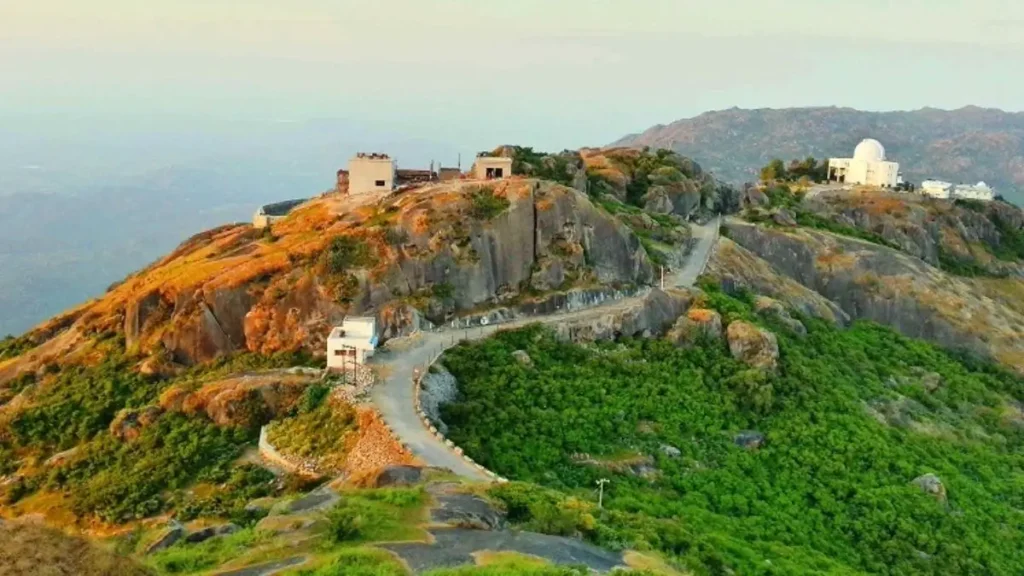
Mount Abu, located in the Sirohi district, is the only hill station in Rajasthan and a popular tourist destination. Situated in the Aravalli Range, it has long served as a summer retreat due to its cool climate and scenic beauty.
With the new name Aburaj, the state government aims to highlight the region’s indigenous and historical roots rather than its colonial-era naming. The hill station is famous for attractions such as the Dilwara Jain Temples, Nakki Lake, and the Mount Abu Wildlife Sanctuary. Despite the name change, tourism activities and visitor experiences in the region will remain unchanged.
Kaman Renamed as Kamvan
Another significant change is the renaming of Kaman, a town in the Bharatpur district of Rajasthan. The town has strong cultural and religious connections with the Braj region and is associated with stories related to Lord Krishna.
The new name Kamvan reflects ancient and mythological references connected to the region. It is expected that the renaming will strengthen the town’s identity as a religious and cultural destination, particularly for pilgrims visiting the Braj circuit.
Jahazpur to be Known as Yagyapur
The third city affected by the renaming decision is Jahazpur, located in the Bhilwara district. The town is historically important due to its medieval fort and ancient temple ruins that reflect Rajasthan’s rich architectural heritage.
The new name Yagyapur is derived from Sanskrit terminology associated with sacred rituals or “yagya.” The government believes that the name better represents the town’s traditional and cultural roots.
Government’s Objective Behind the Renaming Initiative
The Rajasthan government stated that the renaming initiative is part of a broader effort to reconnect places with their historical and cultural identities. According to officials, many Indian cities were given names during colonial periods that did not reflect their traditional heritage.
By restoring names linked to local history, mythology, and culture, the government aims to promote regional pride and preserve historical memory. Similar renaming efforts have been seen in other Indian states as well.

Why This News Is Important
Importance for Government Exams
The renaming of cities and places is a frequently asked topic in competitive examinations such as UPSC, SSC, Banking, Railways, and State PCS exams. Questions related to new names of cities, administrative decisions, and state government policies often appear in General Awareness and Current Affairs sections.
For example, exam questions may ask: “Mount Abu has been renamed as what?” Therefore, aspirants should remember that Mount Abu is now known as Aburaj, while Kaman and Jahazpur have been renamed Kamvan and Yagyapur respectively.
Cultural and Political Significance
The renaming of cities also reflects broader debates about cultural identity, historical recognition, and regional heritage in India. Governments sometimes change place names to restore indigenous names that existed before colonial rule.
Such decisions are important for understanding how states promote local history and cultural pride. For exam aspirants, this topic falls under Indian Polity, Culture, and Current Affairs, making it relevant for both prelims and mains level examinations.
Historical Context: Cultural Roots of Mount Abu and the Region
Historical Background of Mount Abu
Mount Abu, now called Aburaj, has a long and rich historical background. In ancient texts, the region was known as Arbuda or Arbudaranya, meaning the forest of Arbuda. Over time, this name evolved into “Abu.”
According to legend, the sage Vashistha performed a sacred yajna at Mount Abu to protect righteousness on earth. The region has therefore been associated with spiritual traditions and religious legends for centuries.
Colonial Influence on Place Names
During the British colonial period, many locations in India were renamed or anglicised for administrative convenience. Mount Abu itself became a popular British-era hill station and a retreat from the desert heat of Rajasthan.
In recent decades, several Indian states have attempted to restore traditional names to reflect indigenous culture and heritage. Rajasthan’s decision to rename three cities follows this broader national trend of cultural restoration.
Key Takeaways from This News
| S.No | Key Takeaway |
|---|---|
| 1 | The Rajasthan government has renamed three historic towns in the state. |
| 2 | Mount Abu has been renamed Aburaj. |
| 3 | Kaman has been renamed Kamvan. |
| 4 | Jahazpur has been renamed Yagyapur. |
| 5 | The initiative aims to restore cultural heritage and historical identities of these places. |
FAQs: Frequently Asked Questions
1. What is the new name of Mount Abu in Rajasthan?
Mount Abu has been officially renamed Aburaj by the Rajasthan government. The decision was announced in the state assembly to restore the historical and cultural identity of the region.
2. Which other cities were renamed along with Mount Abu?
Two other towns were also renamed:
- Kaman (Bharatpur district) → Kamvan
- Jahazpur (Bhilwara district) → Yagyapur
3. Why did the Rajasthan government rename these cities?
The state government stated that the renaming initiative aims to restore traditional and cultural identities of these locations. Many place names were altered during historical periods, including the colonial era, and the government wants to reconnect them with their ancient heritage.
4. In which district is Mount Abu (now Aburaj) located?
Mount Abu, now called Aburaj, is located in the Sirohi district of Rajasthan. It is the only hill station in the state and an important tourist destination.
5. Why is Mount Abu important geographically?
Mount Abu lies in the Aravalli mountain range and is the only hill station in Rajasthan, making it a popular tourist and summer retreat destination.
6. What are the famous tourist attractions in Mount Abu?
Major tourist attractions include:
- Dilwara Jain Temples
- Nakki Lake
- Mount Abu Wildlife Sanctuary
- Guru Shikhar, the highest peak of the Aravalli Range.
7. Which region is Kaman (now Kamvan) associated with culturally?
Kaman is culturally linked to the Braj region, which is associated with the legends of Lord Krishna.
8. Why is Jahazpur historically significant?
Jahazpur, now renamed Yagyapur, is known for its medieval fort, temples, and archaeological remains, reflecting Rajasthan’s historical and architectural heritage.
9. Are city name changes common in India?
Yes. Several Indian cities have been renamed to restore traditional names, such as:
- Allahabad → Prayagraj
- Faizabad → Ayodhya
- Bangalore → Bengaluru.
10. Why are such news topics important for competitive exams?
Questions about renamed cities, government decisions, cultural heritage, and geography frequently appear in UPSC, SSC, Banking, Railways, Defence, and State PCS exams.
Some Important Current Affairs Links

