
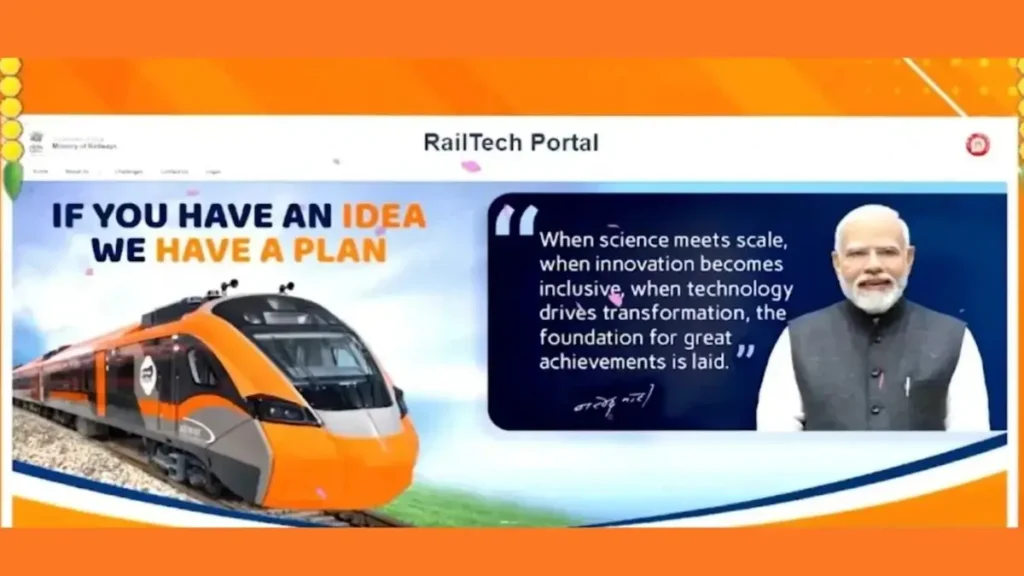
Rail Tech Policy 2026 and e-RCT portal launched by Ashwini Vaishnaw to promote innovation, digitization, and technology adoption in Indian Railways. Key reforms for startups, safety, and efficiency.
Ashwini Vaishnaw Unveils Rail Tech Policy, Portal & e‑RCT: A Major Reform in Indian Railways
Union Minister Shri Ashwini Vaishnaw has launched the Rail Tech Policy 2026, the Rail Tech Portal, and the e‑Railway Claims Tribunal (e‑RCT) in New Delhi as part of the “52 Reforms in 52 Weeks” initiative by the Indian Railways. These key reforms are aimed at accelerating digital transformation, promoting innovation, and improving efficiency and safety in India’s rail system.
🚆 Introduction to Rail Tech Policy 2026
The Rail Tech Policy 2026 is a comprehensive framework designed to bring cutting‑edge technology into Indian Railways’ operations on a large scale. Under this policy, the railways will actively engage with startups, innovators, industry experts, and academic institutions to adopt advanced technologies that enhance safety, improve operational processes, and boost reliability.
Key components of the policy include the systematic induction of modern technologies, such as Artificial Intelligence (AI) and drone‑based monitoring systems, to address operational challenges efficiently and safely.
🖥️ Rail Tech Portal: Innovation Meets Railways
A major highlight of the Rail Tech Policy is the dedicated Rail Tech Portal, a 24×7 digital platform that allows innovators and startups to submit proposals online, interact with railway departments, and pilot innovative solutions directly with the railways.
The portal facilitates transparent evaluation, faster approvals, and structured engagement with stakeholders. This creates a more inclusive environment where technology creators can test and scale their products within railway operations.
📑 e‑Railway Claims Tribunal: Transforming Dispute Resolution
In addition to the technology push, the e‑Railway Claims Tribunal (e‑RCT) was launched to digitize the Railway Claims Tribunal process. This will allow passengers and claimants to file and track cases online, making the system more accessible, faster, and transparent.
The aim is to fully digitize all 23 Railway Claims Tribunal benches within 12 months — significantly improving efficiency in handling claims and reducing delays in justice delivery.
🔎 Focus on Technology & Efficiency
The Rail Tech Policy places particular emphasis on integrating AI‑enabled safety systems into everyday railway functions. Examples include:
- AI‑based elephant intrusion detection systems
- AI fire detection systems in coaches
- Drone‑based broken rail detection
- Obstruction detection in foggy weather
Such technologies are expected to improve safety, reduce accidents, and increase the overall reliability of the rail network.
📈 Part of a Larger Reform Agenda
These announcements are part of Indian Railways’ ambitious “52 Reforms in 52 Weeks” programme — aiming to transform the vast rail network through innovation, digitization, citizen‑friendly services, and modern governance mechanisms.

📌 Why This News Is Important for Exam Aspirants
Significance for Government Exam Preparations
This news is critical for students preparing for competitive government exams like SSC, UPSE/PCS, Banking, Railways, Defence, and Teaching because it reflects policy changes, digital governance, and innovation in public infrastructure — all frequent themes in current affairs sections. Understanding these reforms helps aspirants analyze how government initiatives promote technology adoption, transparency, and citizen‑centric service delivery.
Exam Relevance
Reforms in Indian Railways are often asked in exams under the topics of economy, governance, public policy, and technology integration in public services. Knowing details about this policy demonstrates aspirants’ awareness of digital transformation in government services and promotes deeper understanding of how public bodies engage with startups and innovators.
Additionally, e‑Governance and dispute resolution digitization are key topics in modern exam syllabi, underlining India’s shift toward efficient and transparent government processes. This makes the Rail Tech Policy and e‑RCT highly relevant for current affairs, GK, and policy‑based questions in competitive exams.
🕰️ Historical Context: Railways & Reforms in India
A Legacy of Modernization
Indian Railways has been one of India’s oldest and largest public sector undertakings since 1853, playing a pivotal role in national integration and economic development. Historically, it has constantly evolved — from steam engines to electric traction and modern high‑speed trains — reflecting the nation’s growth in infrastructure and technology.
Reforms in Recent Years
In the past decade, focus shifted toward digitization, AI integration, and safety enhancements such as CCTV installations in coaches, advanced signaling systems like Kavach, and real‑time train monitoring platforms.
The “52 Reforms in 52 Weeks” initiative represents the latest and most structured effort to introduce policy changes rapidly, making the railways more citizen‑centric and future‑ready.
📊 Key Takeaways from Rail Tech Policy & e‑RCT
| # | Key Takeaway |
|---|---|
| 1 | The Rail Tech Policy 2026 promotes large‑scale technology adoption in Indian Railways. |
| 2 | Rail Tech Portal offers a digital interface for innovators and startups to collaborate with railways. |
| 3 | e‑Railway Claims Tribunal (e‑RCT) will digitize case filing and processing for faster justice. |
| 4 | AI tools like elephant intrusion and fire detection are part of railway safety upgrades. |
| 5 | These reforms are part of the “52 Reforms in 52 Weeks” programme to modernize Indian Railways. |
FAQs: Frequently Asked Questions
1. What is the Rail Tech Policy 2026?
The Rail Tech Policy 2026 is a framework launched by the Indian Railways to integrate advanced technologies such as AI, drones, and modern safety systems, and to engage startups, innovators, and academic institutions in railway modernization.
2. What is the Rail Tech Portal?
The Rail Tech Portal is a 24×7 digital platform where innovators, startups, and technology experts can submit proposals, collaborate with railway departments, and pilot innovative solutions.
3. What is e‑Railway Claims Tribunal (e‑RCT)?
e‑RCT is an online system that digitizes the Railway Claims Tribunal process, allowing passengers and claimants to file, track, and resolve disputes faster and more transparently.
4. What are the key technologies introduced under Rail Tech Policy?
Key technologies include AI-enabled elephant intrusion detection, AI fire detection in coaches, drone-based broken rail monitoring, and obstruction detection in foggy conditions.
5. How is this reform connected to “52 Reforms in 52 Weeks”?
These initiatives are part of the Indian Railways’ structured reform programme, “52 Reforms in 52 Weeks,” which aims to modernize operations, increase efficiency, and enhance citizen-centric services.
6. Why is Rail Tech Policy important for government exam aspirants?
This news is important because it highlights government reforms, digital governance, and technology adoption in public services, which are commonly asked in exams under current affairs, governance, and economy sections.
7. How many Railway Claims Tribunal benches will be digitized under e‑RCT?
All 23 Railway Claims Tribunal benches across India are targeted for digitization within 12 months.
8. Who launched these initiatives?
Union Minister Ashwini Vaishnaw launched the Rail Tech Policy 2026, Rail Tech Portal, and e‑RCT.
Some Important Current Affairs Links

