
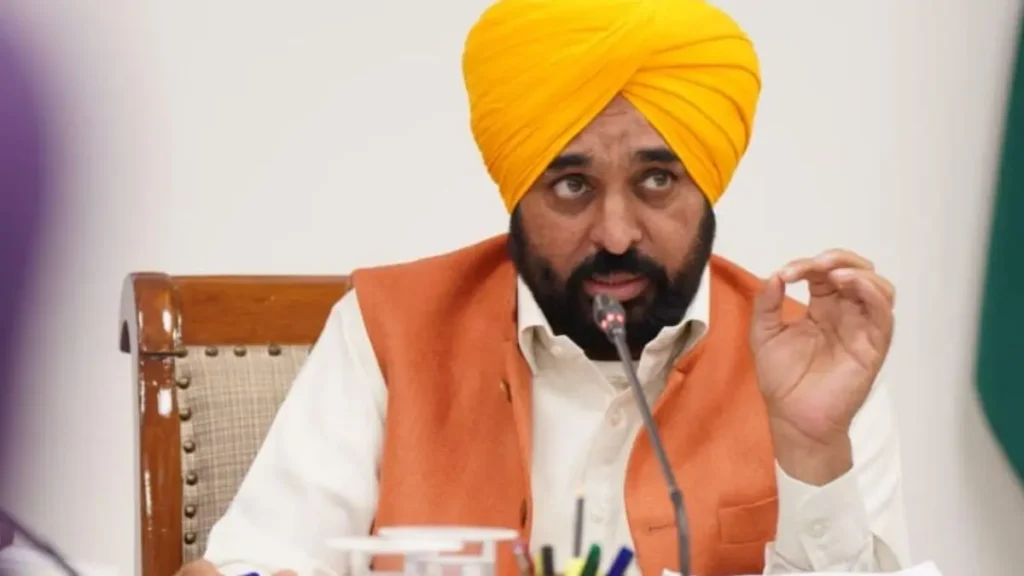
Meri Rasoi Scheme Punjab 2026 provides free quarterly food kits to 40 lakh poor families, strengthening food security and nutrition in Punjab ahead of the budget session.
Punjab Launches ‘Meri Rasoi’ Scheme: Free Food Kits for 40 Lakh Poor Families
The Punjab government, led by Chief Minister Bhagwant Singh Mann, has launched a major welfare initiative — the ‘Meri Rasoi’ scheme — aimed at supporting economically weaker households across the state. This announcement came just ahead of the Punjab Vidhan Sabha Budget Session, scheduled from March 6 to March 16, 2026. The government intends to distribute free food kits to around 40 lakh poor and blue‑card holder families beginning from April 2026 as a quarterly benefit.
What Is the ‘Meri Rasoi’ Scheme?
In the Meri Rasoi scheme, each eligible family will receive a free quarterly food kit in addition to the wheat entitlement under the National Food Security Act (NFSA). The state government has positioned this scheme as a vital step towards strengthening household nutrition and food security, especially for low‑income and nutritionally vulnerable families.
Contents of the Free Food Kits
According to government sources, each food kit is expected to include:
- 2 kg pulses (dal)
- 2 kg sugar
- 1 kg iodised salt
- 200 grams turmeric powder
- 1 litre mustard oil
These essential items are intended to supplement the diet of beneficiaries alongside the staple wheat supplied through the public distribution system (PDS).
Implementation and Distribution Mechanism
The distribution of these food kits will be conducted by the Food & Civil Supplies Department of Punjab, with Markfed appointed as the nodal agency responsible for procurement and delivery. The government has also put in place monitoring mechanisms to ensure smooth implementation and quality control, with provisions for addressing complaints and grievances.
Government’s Objectives and Focus Areas
The Meri Rasoi scheme marks a strategic effort by the Punjab government to tackle nutritional insecurity in rural and urban households. The primary aim is to ensure not only food availability but also nutritional balance, particularly for children and vulnerable families who may otherwise struggle to access essential kitchen staples.
Political and Social Context
Launched during the run‑up to the 2027 Punjab Assembly elections, the scheme has also drawn political attention with opposition parties questioning the timing and intent. Critics argue that the initiative might be designed to gain electoral support, while ruling party leaders emphasize its humanitarian value and long‑term impact on food security.

Why This News Is Important
Empowering Economically Weaker Sections
For students preparing for government exams, this news highlights a significant welfare policy aimed at poverty alleviation and food security. The Meri Rasoi scheme is a practical example of how governments use social safety nets and public distribution systems to support citizens who are unable to afford basic nutrition, making it an important topic for sections on public policy, governance, and socioeconomic development.
Relevance to Exam Syllabus
Questions in UPSC, State PSC, SSC and Banking exams often focus on state‑level welfare measures, food security frameworks, and nutrition programmes. Understanding this scheme helps students grasp how state governments supplement national food security mechanisms like the NFSA with region‑specific policies.
Interplay of Governance and Politics
This initiative also provides insight into the political dimensions of public policy, especially when launched before important legislative sessions or elections. Exam aspirants can learn how welfare schemes are connected with economic conditions, social objectives and electoral strategies.
Overall, the Meri Rasoi scheme represents an intersection of administrative action, governance priorities, welfare economics and political timing — all crucial areas in competitive exam current affairs.
Historical Context
Background on Food Security in India and Punjab
India’s public policies on food security trace back to the Green Revolution in the 1960s and later solidified with the National Food Security Act (NFSA) 2013, guaranteeing subsidised food grains to eligible populations. The Act ensures access to basic staples like rice and wheat via the Public Distribution System (PDS), focusing on nutrition security for economically vulnerable groups.
Punjab’s Prior Welfare Initiatives
Punjab has previously implemented schemes to support livelihoods and welfare, such as subsidised wheat under NFSA and various state social security schemes. With rising food inflation and nutritional concerns, especially for children and low‑income households, the need for additional support mechanisms grew stronger.
The launch of Meri Rasoi builds on this legacy, representing a state‑level complement to national food security efforts that addresses a broader range of nutritional requirements beyond basic staples. It underscores Punjab’s emphasis on ensuring balanced nutrition and strengthening welfare delivery mechanisms.
Key Takeaways from “Punjab’s Meri Rasoi Scheme”
| S.No. | Key Takeaway |
|---|---|
| 1 | The Punjab government launched the Meri Rasoi scheme to provide free food kits to about 40 lakh poor families. |
| 2 | The scheme will begin distribution from April 2026 and benefit eligible blue card holders quarterly. |
| 3 | Each kit will include pulses, sugar, salt, turmeric powder and mustard oil in addition to NFSA wheat. |
| 4 | Markfed has been appointed as the nodal agency for distribution and quality control. |
| 5 | The announcement came ahead of the Punjab budget session scheduled for March 6–16, 2026. |
FAQs: Frequently Asked Questions
1. What is the Meri Rasoi Scheme?
The Meri Rasoi Scheme is a welfare initiative launched by the Punjab Government to provide free quarterly food kits to around 40 lakh poor families, aiming to strengthen food and nutritional security.
2. Who are eligible for the Meri Rasoi Scheme?
Eligible beneficiaries include poor families holding blue cards under the Public Distribution System (PDS).
3. When will the distribution of food kits begin?
The scheme’s distribution is scheduled to start from April 2026 and will be provided quarterly.
4. What items are included in the Meri Rasoi food kits?
Each kit contains: 2 kg pulses, 2 kg sugar, 1 kg iodised salt, 200 g turmeric powder, and 1 litre mustard oil, in addition to wheat under NFSA.
5. Which agency is responsible for implementing the scheme?
The Food & Civil Supplies Department oversees the scheme, with Markfed appointed as the nodal agency for procurement, distribution, and monitoring.
6. Why was the Meri Rasoi Scheme launched?
The scheme aims to combat malnutrition, ensure food security, and provide supplementary nutrition to economically vulnerable households in Punjab.
7. Is Meri Rasoi linked to any national food programs?
Yes, it complements the National Food Security Act (NFSA) by providing additional essential food items beyond the staple wheat and rice supplied under NFSA.
Some Important Current Affairs Links

