









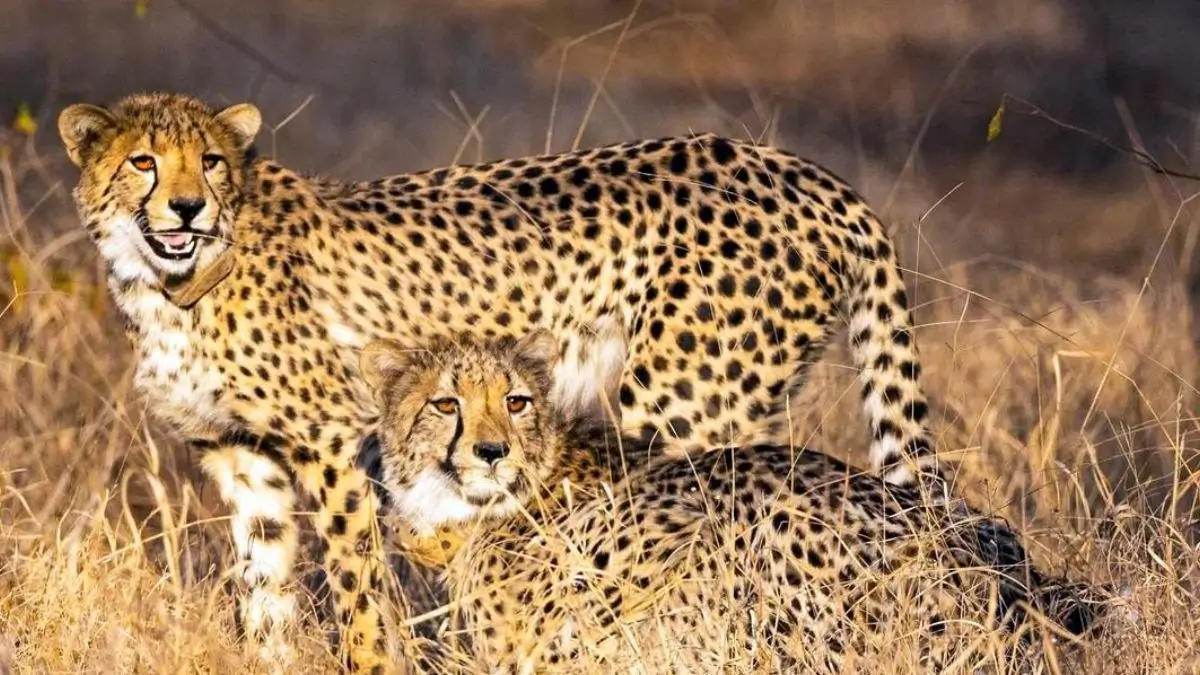
Project Cheetah India Mission reaches a major milestone as cheetahs successfully breed in Kuno National Park. Learn key facts, historical background, FAQs, and MCQs important for UPSC, SSC, banking, railway, and defence exams.
Introduction to Project Cheetah
India’s ambitious cheetah reintroduction programme, popularly known as Project Cheetah, has reached a significant milestone. After decades of extinction in the country, cheetahs are now not only surviving but also reproducing successfully in Indian forests. The project is being seen as a landmark wildlife conservation effort and a major achievement in biodiversity restoration.
The cheetah was officially declared extinct in India in 1952 due to hunting, habitat destruction, and declining prey populations. To restore ecological balance and revive the species, the Government of India launched Project Cheetah in September 2022. Under this initiative, cheetahs were brought from Namibia and South Africa to Madhya Pradesh’s Kuno National Park.
Arrival of African Cheetahs in India
The first batch of eight cheetahs arrived from Namibia in September 2022 and was released into Kuno National Park by Prime Minister Narendra Modi. Later, additional cheetahs were brought from South Africa to strengthen the breeding population. This became the world’s first intercontinental translocation of a large carnivore species.
The project was designed to establish a self-sustaining cheetah population in India. Wildlife experts believed that the grasslands and forest ecosystems of central India could once again support the fastest land animal on Earth.
Success of Breeding at Kuno National Park
One of the biggest achievements of the mission has been the successful birth of cubs on Indian soil. Several female cheetahs gave birth in Kuno National Park, proving that the animals were adapting well to Indian conditions. The birth of cubs marked a turning point because survival and reproduction are considered the strongest indicators of a successful wildlife reintroduction programme.
A historic milestone was achieved when Mukhi, the first India-born cheetah cub to survive into adulthood, became a symbol of hope for the project. Later, Mukhi herself gave birth to five cubs, showing that the second generation of cheetahs could thrive in India.
As per government data released in late 2025, India’s cheetah population reached around 30, including adults, sub-adults, and cubs. This reflected major progress for a species once believed lost forever from Indian ecosystems.
Expansion Beyond Kuno National Park
The government is now planning to expand the project to other regions. Experts have recommended Gujarat’s Banni Grasslands as another suitable habitat for cheetahs. Gandhi Sagar Wildlife Sanctuary in Madhya Pradesh is also being prepared for future relocation efforts.
The expansion is important because a single habitat cannot sustain a large population in the long term. Multiple habitats will reduce risks from disease, conflict, and overcrowding while helping create a stable metapopulation of cheetahs across India.
Ecological Importance of Cheetah Reintroduction
Cheetahs play an important role in maintaining ecological balance. As apex predators, they help regulate herbivore populations and improve ecosystem health. The project also promotes grassland conservation, which has historically received less attention compared to tiger and elephant habitats.
The initiative has generated employment opportunities for local communities through eco-tourism, wildlife monitoring, and conservation activities. Hundreds of “Cheetah Mitras” have been trained to support the programme and reduce human-animal conflict.
Challenges Faced by Project Cheetah
Despite the successes, the project has faced several challenges. Some cheetahs died due to infections, heat stress, and adaptation issues. Wildlife experts also raised concerns regarding habitat size, prey availability, and long-term sustainability.
Another challenge has been human-animal interaction. Some cheetahs moved beyond protected areas into nearby villages and agricultural lands, creating concerns over livestock safety. Forest officials have been continuously monitoring these movements using satellite collars and rescue teams.
However, conservation authorities believe that dispersal behaviour is natural and expected in large carnivores. Proper habitat management and community participation are considered essential for long-term success.

Why This News is Important
Important for Environment and Ecology Exams
Project Cheetah is highly important for competitive examinations because it relates directly to biodiversity conservation, wildlife protection, and environmental sustainability. Questions related to endangered species, national parks, conservation projects, and ecosystem restoration are frequently asked in UPSC, SSC, banking, railway, defence, and state PSC examinations.
The project highlights India’s commitment to restoring species that became extinct within the country. It also demonstrates how international cooperation can help achieve conservation goals. Since cheetahs were brought from African countries, the programme reflects global collaboration in wildlife management.
Important for Understanding Conservation Policies
The mission is also important because it showcases India’s modern conservation strategy. Unlike earlier approaches that focused mainly on tiger conservation, Project Cheetah emphasizes grassland ecosystems and habitat diversification.
Students preparing for government examinations should understand the significance of Kuno National Park, the role of the National Tiger Conservation Authority (NTCA), and the importance of apex predators in ecological balance. The topic may also appear in essay writing, interviews, and descriptive examinations.
Significance in International Conservation Efforts
Project Cheetah has received global attention because it is the first intercontinental relocation of a large wild carnivore. Successful breeding in India is being viewed internationally as a major conservation achievement. The project may become a model for future wildlife restoration programmes around the world.
Historical Context
Extinction of Cheetahs in India
Cheetahs once roamed across India’s grasslands and forests. Historical records show that Mughal rulers and Indian kings often used cheetahs for hunting due to their exceptional speed and agility.
However, excessive hunting, habitat destruction, and declining prey populations led to a rapid fall in their numbers. The last three Asiatic cheetahs in India were reportedly hunted in present-day Chhattisgarh in 1947. In 1952, the species was officially declared extinct in India.
Early Plans for Reintroduction
Efforts to reintroduce cheetahs began decades later when wildlife experts proposed restoring the species to suitable habitats. Initially, India considered importing Asiatic cheetahs from Iran, but diplomatic and conservation challenges prevented the plan from moving forward.
Later, experts decided to introduce African cheetahs because they are genetically similar and more widely available. In 2020, the Supreme Court of India approved the experimental introduction of African cheetahs into selected Indian habitats.
Launch of Project Cheetah
Project Cheetah officially began in September 2022 with the arrival of cheetahs from Namibia. South African cheetahs were added later to improve genetic diversity. Since then, Kuno National Park has become the centre of India’s cheetah revival programme.
Key Takeaways from This News
| S.No. | Key Takeaway |
|---|---|
| 1 | Project Cheetah was launched in September 2022 to reintroduce cheetahs into India after their extinction in 1952. |
| 2 | Kuno National Park in Madhya Pradesh is the primary site for cheetah reintroduction. |
| 3 | India achieved successful breeding of cheetahs, including the survival and reproduction of India-born cheetah Mukhi. |
| 4 | The project is the world’s first intercontinental translocation of a large carnivore species. |
| 5 | Future expansion plans include Gujarat’s Banni Grasslands and Gandhi Sagar Wildlife Sanctuary. |
FAQs on India’s Cheetah Mission
1. What is Project Cheetah?
Project Cheetah is India’s wildlife conservation programme launched in September 2022 to reintroduce cheetahs into the country after they became extinct in 1952.
2. Which country provided cheetahs to India?
India received cheetahs from Namibia and South Africa under international wildlife cooperation agreements.
3. Where were the cheetahs released in India?
The cheetahs were released in Kuno National Park located in Madhya Pradesh.
4. When was the cheetah declared extinct in India?
The cheetah was officially declared extinct in India in 1952.
5. Why did cheetahs become extinct in India?
Cheetahs became extinct due to excessive hunting, habitat destruction, and declining prey populations.
6. Which organization is managing Project Cheetah?
The project is being supervised by the National Tiger Conservation Authority (NTCA) along with the Ministry of Environment, Forest and Climate Change.
7. Why is Project Cheetah important?
The project is important for biodiversity conservation, restoration of grassland ecosystems, and ecological balance.
8. What is special about this cheetah relocation programme?
It is the world’s first intercontinental translocation of a large carnivore species.
9. Which was the first cheetah cub born in India to survive into adulthood?
Mukhi became the first India-born cheetah cub to survive into adulthood in India.
10. Which habitats are being considered for future cheetah relocation?
Banni Grasslands in Gujarat and Gandhi Sagar Wildlife Sanctuary in Madhya Pradesh are being considered for future expansion.
Some Important Current Affairs Links