
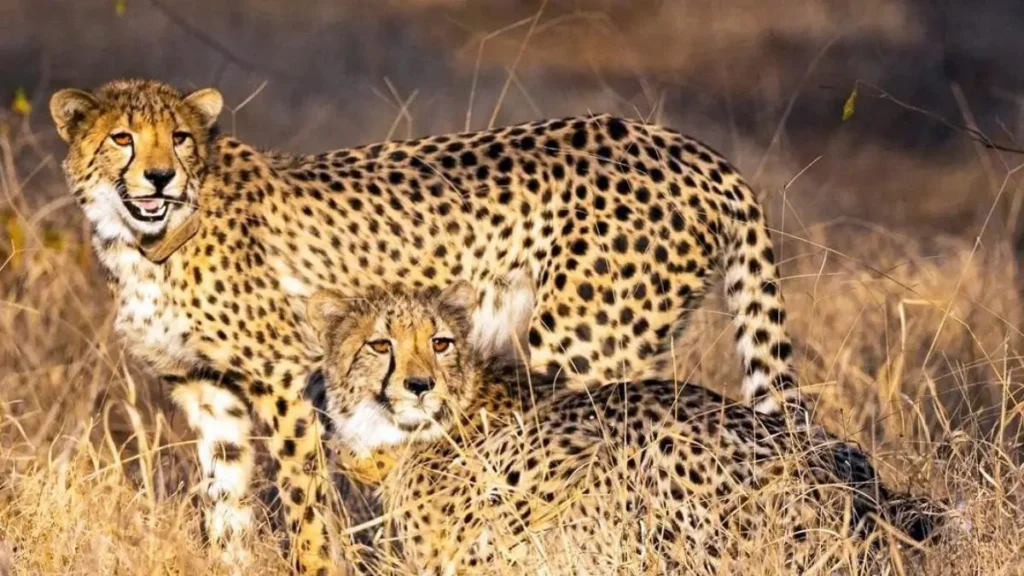
Project Cheetah India conservation update: Learn about India’s cheetah reintroduction mission at Kuno National Park, its historical background, achievements, challenges, and latest population growth crossing 50 individuals.
From Near Extinction to Revival: India’s Cheetah Mission Reaches a Historic Turning Point
Introduction to Project Cheetah
India’s ambitious wildlife conservation programme, popularly known as Project Cheetah, has entered a significant phase as the country’s cheetah population has crossed the 50-mark. The project, launched in 2022, aims to reintroduce cheetahs into Indian forests after the species became extinct in the country in 1952. This initiative is considered one of the world’s largest and most unique intercontinental wildlife relocation programmes.
The programme began with the relocation of African cheetahs from Namibia and South Africa to Kuno National Park. The initiative was launched under the supervision of the Government of India and wildlife conservation experts to restore ecological balance and revive grassland ecosystems.
Arrival of Cheetahs in India
The first batch of eight cheetahs arrived from Namibia in September 2022 and was released by Narendra Modi on his birthday. Later, additional cheetahs were brought from South Africa and Botswana.
The project aimed to establish a self-sustaining population of cheetahs in India over the coming decades. Wildlife experts selected Kuno National Park due to its suitable grassland habitat, prey availability, and relatively low human disturbance.
Major Milestone Achieved
A major breakthrough came when several cheetahs successfully reproduced in Indian conditions. Female cheetahs such as Jwala, Gamini, and Mukhi gave birth to healthy cubs, indicating successful adaptation to the Indian environment.
According to recent reports, India’s cheetah population has now crossed 50. This includes imported adult cheetahs as well as Indian-born cubs. Experts view this as a major success in wildlife restoration efforts.
One of the most significant developments was the birth of second-generation cubs from India-born cheetahs. This event demonstrated that the species could potentially establish a naturally breeding population in India.
Expansion Beyond Kuno National Park
As the population increased, authorities began expanding the project beyond Kuno National Park. Some cheetahs were shifted to Gandhi Sagar Wildlife Sanctuary to prevent overcrowding and improve habitat distribution.
The government is also considering other wildlife reserves such as Nauradehi Wildlife Sanctuary for future expansion. Conservationists believe that creating multiple habitats is necessary to ensure genetic diversity and long-term sustainability of the species.
Challenges Faced by the Project
Despite the success, Project Cheetah has faced several challenges. A number of cheetahs died due to infections, heat stress, and adaptation problems during the initial stages of relocation.
Some wildlife experts also raised concerns regarding habitat preparedness, prey availability, and the risk of human-animal conflict. There have been cases where cheetahs wandered outside protected areas and preyed on livestock in nearby villages.
Additionally, debates continue over whether African cheetahs can fully adapt to Indian ecological conditions in the long term. However, conservation authorities maintain that such challenges are expected in large-scale wildlife reintroduction programmes.
Importance of Grassland Conservation
Project Cheetah has also brought attention to India’s neglected grassland ecosystems. Grasslands are important habitats for species such as blackbucks, wolves, foxes, and bustards. The reintroduction programme has encouraged the government to invest more resources into restoring these ecosystems.
Experts believe that the project could boost eco-tourism, generate employment opportunities, and improve biodiversity conservation in central India. Local communities around Kuno National Park are also being involved in conservation activities through eco-development programmes.
International Cooperation in Wildlife Conservation
The cheetah mission highlights global cooperation in wildlife conservation. India signed agreements with Namibia and South Africa for the relocation and management of cheetahs. Scientists and veterinarians from multiple countries have collaborated to monitor animal health, breeding, and habitat adaptation.
The programme is being closely observed by conservationists worldwide because it may serve as a model for future species restoration projects in other countries.

Why This News is Important
Important for Environment and Ecology Exams
Project Cheetah is highly relevant for competitive examinations such as UPSC, State PSCs, SSC, Railways, Banking, Defence, and Teaching exams because it is directly linked to biodiversity conservation, wildlife management, and environmental policies. Questions related to endangered species, national parks, conservation projects, and ecological restoration are frequently asked in government examinations.
The project also highlights concepts such as species reintroduction, ecological balance, grassland conservation, and international wildlife cooperation. Aspirants preparing for General Studies papers should understand the objectives, achievements, and challenges associated with the mission.
Symbol of India’s Conservation Efforts
The success of Project Cheetah reflects India’s growing focus on wildlife conservation and ecosystem restoration. After successfully increasing tiger and lion populations, India is now attempting to restore another iconic species that disappeared decades ago.
The programme demonstrates how scientific planning, international partnerships, and political support can contribute to biodiversity revival. It also shows the importance of balancing development with environmental sustainability.
Relevance to Climate and Biodiversity Discussions
The project has become important in global discussions about biodiversity protection and climate resilience. Healthy ecosystems help maintain ecological stability and improve climate adaptation. Grassland restoration under Project Cheetah can also support carbon storage and sustainable land management.
As environmental issues gain greater prominence in competitive exams, understanding such initiatives becomes essential for aspirants.
Historical Context
Extinction of Cheetahs in India
Cheetahs once roamed across India’s grasslands and forests in large numbers. Historical records suggest that the species was commonly found in central and western India. However, excessive hunting, habitat destruction, and loss of prey gradually reduced their population.
During the Mughal era and later under princely states, cheetahs were often captured and trained for hunting. Continuous exploitation severely affected their survival. The last recorded cheetahs in India were hunted in present-day Chhattisgarh in 1947. In 1952, the Government of India officially declared the cheetah extinct in the country.
Revival Efforts and Supreme Court Approval
For decades, wildlife experts discussed the possibility of reintroducing cheetahs into India. Scientific studies identified suitable habitats in Madhya Pradesh and Rajasthan. After legal and ecological evaluations, the Supreme Court of India allowed the introduction of African cheetahs on an experimental basis in 2020.
Project Cheetah officially began in 2022 with the arrival of cheetahs from Namibia. The initiative became the world’s first intercontinental translocation of large carnivores for conservation purposes.
Key Takeaways from This News
| S.No. | Key Takeaway |
|---|---|
| 1 | India launched Project Cheetah in 2022 to reintroduce cheetahs after their extinction in 1952. |
| 2 | The first batch of cheetahs was brought from Namibia to Kuno National Park in Madhya Pradesh. |
| 3 | India’s cheetah population has crossed 50 due to successful breeding and new arrivals. |
| 4 | The project focuses on grassland restoration, biodiversity conservation, and eco-tourism development. |
| 5 | Project Cheetah is the world’s first intercontinental large carnivore relocation programme. |
FAQs (Frequently Asked Questions)
1. What is Project Cheetah?
Project Cheetah is India’s wildlife conservation initiative launched in 2022 to reintroduce cheetahs into Indian habitats after their extinction in 1952.
2. Where are cheetahs being introduced in India?
The primary site for cheetah reintroduction is Kuno National Park in Madhya Pradesh, with expansion to other wildlife sanctuaries like Gandhi Sagar.
3. Why were cheetahs extinct in India?
Cheetahs became extinct due to excessive hunting, habitat loss, and depletion of prey species, with the last confirmed sighting in the mid-20th century.
4. Which countries have provided cheetahs to India?
India has received cheetahs from African nations such as Namibia, South Africa, and Botswana under international conservation agreements.
5. What challenges does Project Cheetah face?
Key challenges include animal mortality during adaptation, disease risks, habitat suitability, human-wildlife conflict, and long-term survival concerns.
6. Why is grassland conservation important in this project?
Grasslands support prey species and biodiversity, making them essential for sustaining cheetah populations and ecological balance.
7. Is Project Cheetah successful so far?
Yes, the project has shown early success with breeding in India and population growth beyond 50 individuals, including cub births.
Some Important Current Affairs Links

