

PAN 2.0 Project: LTIMindtree secures ₹811.5 crore contract from the Income Tax Department to overhaul PAN and TAN services into a unified digital platform with AI and data analytics.
LTIMindtree Secures PAN 2.0 Project from Income Tax Department
Headline: LTIMindtree Awarded ₹792–811 Crore PAN 2.0 Contract from Income Tax Department
India’s Central Board of Direct Taxes (CBDT) has entrusted LTIMindtree Ltd., the IT arm of Larsen & Toubro, with the critical PAN 2.0 project—a major digital overhaul aimed at streamlining Permanent Account Number (PAN) and Tax Deduction and Collection Account Number (TAN) services. The contract, valued between ₹792 crore and ₹811.5 crore before taxes depending on evaluation criteria, was approved in November 2024 by the Cabinet Committee on Economic Affairs
Implementation Timeline and Scope
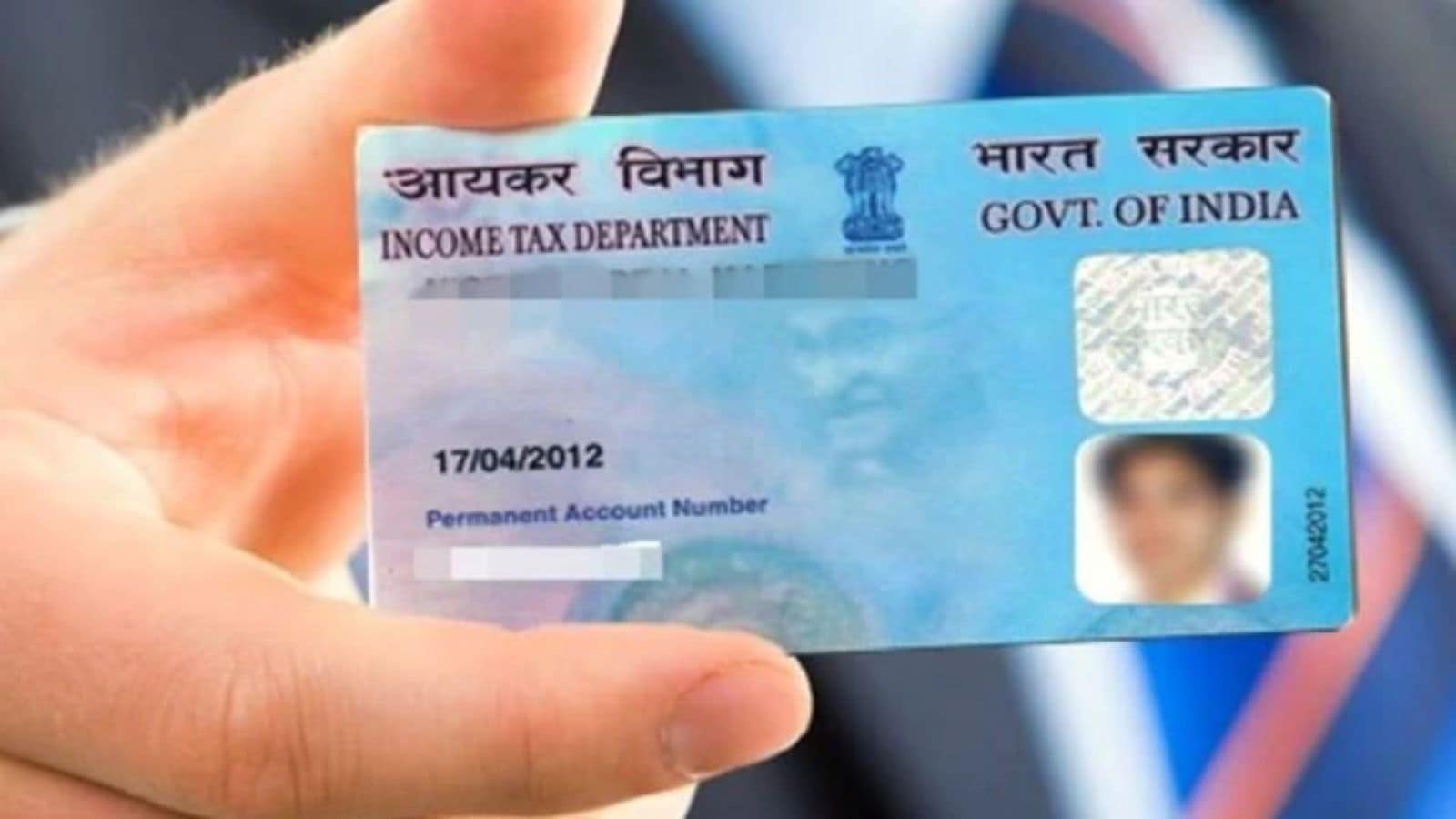
The new PAN 2.0 system is slated to go live within 18 months, covering design, development, operations, and maintenance overseen by LTIMindtree as the Managed Service Provider It will unify services scattered across multiple portals (e‑Filing, UTIITSL, Protean e‑Gov) into a single interface, offering PAN allotment, updates, authentication, Aadhaar‑PAN linking, and online validation
Technological Enhancements
Under PAN 2.0, cutting-edge technologies such as artificial intelligence and data analytics will be integrated to accelerate application processing, improve data security, and enable smarter grievance handling. Integration with Aadhaar and other government systems is expected to bolster fraud prevention and validation accuracy
Financial and Business Impact
LTIMindtree’s stock surged approximately 1.2%, reaching ₹5,077 per share on the BSE after the contract was announced, highlighting investor confidence in the project’s business potential
Broader Governance Objectives
The initiative is aligned with India’s e‑governance push, envisioned in previous Union Budgets and policy frameworks. Finance Minister Nirmala Sitharaman had slated PAN’s role as a universal business identifier to enhance inter-agency coordination and reduce red tape for businesses and taxpayers alike
Why This News is Important
Heading: Transformed Tax Services for Efficiency
The PAN 2.0 project signifies a significant transformation in how Indian taxpayers interact with PAN and TAN services. By merging separate portals into a unified platform, it enhances convenience, transparency, and response times—vital for exam-oriented aspirants interested in developments in digital governance and public administration.
Heading: Boosting Digital Infrastructure and Cybersecurity
Students preparing for civil services, banking, railways, or defence sectors should note the incorporation of advanced technologies like AI and data analytics. This marks India’s shift toward smarter tax infrastructure, also addressing concerns related to cybersecurity and fraud detection.
Heading: Exam-Relevant Government Strategy
The project was approved by the Cabinet Committee on Economic Affairs in November 2024. This underscores the government’s policymaking and budgeting processes, a topic frequently tested in UPSC, PSCs, and banking exams under governance and economic policy modules.
Heading: Business and Financial Implications
LTIMindtree’s share price rise illustrates the market’s positive response to government contracts. Such contracts often boost investor sentiment and affect company performance—useful for candidates preparing for banking and finance exams to understand how government projects influence market behavior.
Historical Context
Government Approval and Funding
The PAN 2.0 initiative was formally approved in November 2024 by the Cabinet Committee on Economic Affairs. The government had initially allocated a budget of approximately ₹1,435 crore for the project, indicating a large-scale vision toward tax infrastructure modernization
Evolution of PAN/TAN Ecosystem
Historically, PAN and TAN services were managed across multiple portals—federal e‑Filing, UTIITSL, Protean e‑Gov—resulting in inefficiencies. PAN 2.0 aims to consolidate these fragmented systems into a single digital interface, enhancing user experience and operational efficiency
Strategic Vision from the Union Budget 2023
The 2023 Union Budget articulated the government’s intention to use PAN as a standard identifier across various governmental processes. This aligns with the broader goal of integrating digital ecosystems for smoother governance and reduced administrative burden
Key Takeaways from PAN 2.0 Project
| S. No | Key Takeaway |
|---|---|
| 1 | LTIMindtree awarded PAN 2.0 contract for approximately ₹792–811.5 crore |
| 2 | Project approved by Cabinet Committee on Economic Affairs in Nov 2024 |
| 3 | New system expected to be operational within 18 months |
| 4 | Consolidates PAN/TAN functions into a single interface with AI/data analytics |
| 5 | Aims to streamline PAN allotment, updates, Aadhaar linking, validation |
FAQs: Frequently Asked Questions
1. What is the PAN 2.0 project?
The PAN 2.0 project is a government initiative to upgrade the PAN and TAN services system with a unified digital platform using advanced technologies like AI and data analytics.
2. Which company was awarded the PAN 2.0 contract?
LTIMindtree Ltd., the IT services company under Larsen & Toubro, was awarded the contract to implement and manage PAN 2.0.
3. What is the total value of the PAN 2.0 contract?
The contract is valued between ₹792 crore and ₹811.5 crore before taxes, depending on project benchmarks and evaluations.
4. When was the project approved?
The project was approved by the Cabinet Committee on Economic Affairs in November 2024.
5. What is the expected implementation timeline for PAN 2.0?
PAN 2.0 is expected to go live within 18 months of the contract award.
6. What are the main features of the PAN 2.0 platform?
Key features include single-window access to PAN/TAN services, Aadhaar-PAN linking, application updates, authentication, grievance redressal, and fraud detection.
7. How does PAN 2.0 align with e-governance?
PAN 2.0 supports the Government of India’s digital transformation efforts, aiming to simplify and digitize citizen services and promote transparency in taxation.
8. How will the new system benefit taxpayers?
Taxpayers will benefit from faster service delivery, a single unified portal, real-time status tracking, and more secure processing of applications.
9. What role does AI play in the PAN 2.0 project?
Artificial Intelligence will help automate application processing, detect frauds, and personalize user support.
10. Why is this news relevant for competitive exams?
This news is linked to topics like e-governance, taxation reforms, digital India, public-private partnerships, and economic policy—all key subjects in civil services and other government exams.
Some Important Current Affairs Links

