
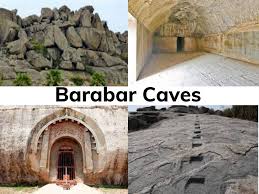
Oldest Cave in India: Barabar Caves – A Historical Marvel
Introduction
The Barabar Caves, located in Bihar, India, are renowned as the oldest surviving rock-cut caves in the country, dating back to the Maurya Empire between 322 and 185 BCE. These ancient caves offer a glimpse into early Indian rock-cut architecture and hold significant historical and cultural importance.
Historical Significance of Barabar Caves
Carved during the reign of Emperor Ashoka, the Barabar Caves are a testament to the architectural prowess of ancient India. The caves were primarily dedicated to the Ajivikas, an ascetic sect that coexisted with Buddhism and Jainism. Notably, some caves feature Ashokan inscriptions, providing valuable insights into the religious and social dynamics of the era. The meticulous craftsmanship, especially the highly polished interiors, reflects the advanced techniques employed by artisans of the time.
Architectural Features
The Barabar Caves consist of four main caves: Karan Chaupar, Lomas Rishi, Sudama, and Visvakarma. Each cave showcases unique architectural elements:
- Lomas Rishi Cave: This cave is particularly notable for its facade, which imitates contemporary wooden architecture. The entrance features a semicircular chaitya arch, adorned with a row of elephants proceeding towards stupas, exemplifying the fusion of artistic motifs.
- Sudama Cave: Dedicated by Emperor Ashoka in 261 BCE, Sudama Cave comprises a circular vaulted chamber connected to a rectangular mandapa. The interior surfaces are polished to a mirror-like finish, a characteristic feature of Mauryan rock-cut architecture.
- Karan Chaupar and Visvakarma Caves: These caves also exhibit the signature polished interiors and simple design, serving as meditation halls for ascetics.
Cultural and Religious Context
The dedication of these caves to the Ajivikas highlights the pluralistic religious landscape of ancient India. The Ajivikas, known for their deterministic philosophy, were contemporaries of Buddhists and Jains. The inscriptions and architectural designs of the Barabar Caves provide crucial evidence of the interactions and coexistence of different religious traditions during the Mauryan period.
Preservation and Legacy
Today, the Barabar Caves stand as a monument to India’s rich historical and cultural heritage. Their preservation offers scholars and visitors alike an opportunity to explore the early developments in rock-cut architecture and the diverse religious philosophies that once thrived in the region. The influence of the Barabar Caves is evident in subsequent architectural endeavors, including the later Buddhist caves in Maharashtra, such as those at Ajanta and Ellora.

Why This News Is Important
The Barabar Caves’ recognition as India’s oldest rock-cut caves underscores their unparalleled significance in the study of ancient Indian architecture and religious history.
- For Students Preparing for Government Exams: Understanding the Barabar Caves provides insight into the technological advancements and religious diversity of the Mauryan era, a frequent topic in history, art, and culture sections.
- Engineering Feats: The caves exemplify early engineering achievements, with precisely carved interiors and polished surfaces, reflecting the sophistication of ancient artisans.
- Religious and Historical Relevance: The association with Emperor Ashoka and the Ajivikas offers a nuanced understanding of the period’s religious dynamics, highlighting the coexistence and patronage of multiple sects.
- Cultural Heritage Awareness: Knowledge of such heritage sites is crucial for comprehensive preparation in examinations pertaining to India’s cultural and historical legacy.
Historical Context
The Barabar Caves date back to the 3rd century BCE, during the reign of the Mauryan Empire. Emperor Ashoka, after embracing Buddhism, commissioned these caves for the Ajivikas, reflecting his policy of religious tolerance. The Ajivikas were an ascetic sect that believed in determinism and the inevitability of fate. The architectural style of the Barabar Caves, with their rock-cut precision and polished interiors, set a precedent for subsequent cave architecture in India. The craftsmanship demonstrated in these caves influenced later constructions, including the renowned Ajanta and Ellora caves, marking a significant evolution in Indian rock-cut architecture.
Key Takeaways from Barabar Caves
| S.No. | Key Takeaway |
|---|---|
| 1 | Oldest Rock-Cut Caves: The Barabar Caves are the earliest known rock-cut caves in India, dating back to the 3rd century BCE. |
| 2 | Mauryan Architectural Excellence: Commissioned during Emperor Ashoka’s reign, the caves showcase advanced rock-cutting techniques and polished interiors. |
| 3 | Religious Significance: Dedicated to the Ajivikas, the caves reflect the religious diversity and tolerance of the Mauryan period. |
| 4 | Influence on Later Structures: The design and craftsmanship of the Barabar Caves influenced subsequent rock-cut architectures, including the Ajanta and Ellora caves. |
| 5 | Ashokan Inscriptions: Some caves contain inscriptions from Emperor Ashoka, providing valuable historical insights into the era’s socio-religious context. |
Important FAQs for Students from this News
What is the significance of the Barabar Caves in Indian history?
The Barabar Caves are significant as the oldest surviving rock-cut caves in India, dating back to the Mauryan Empire. They exemplify early advancements in rock-cut architecture and reflect the religious diversity of the period.
Who were the Ajivikas, and what is their connection to the Barabar Caves?
The Ajivikas were an ascetic sect that believed in determinism and the inevitability of fate. Emperor Ashoka commissioned the Barabar Caves for the Ajivikas, demonstrating his policy of religious tolerance and the coexistence of multiple religious traditions during his reign.
How did the Barabar Caves influence later architectural developments in India?
The precise rock-cutting techniques and polished interiors of the Barabar Caves set a precedent for later constructions, influencing renowned sites like Ajanta and Ellora.
Which cave in the Barabar group is the most architecturally significant?
The Lomas Rishi Cave is the most architecturally significant due to its elaborate facade, which imitates wooden architecture and features intricate carvings.
What is the best way to visit the Barabar Caves?
The caves are located near Gaya in Bihar, India, and can be accessed via road transport from Patna or Gaya
Some Important Current Affairs Links

