

Introduction: Bhitarkanika Mangroves – A Unique Ecosystem
The Bhitarkanika Mangroves, located in the Indian state of Odisha, are among the most ecologically rich and biologically diverse mangrove ecosystems in India. These mangroves are found in the Kendrapara district and form a crucial part of the Bhitarkanika National Park, which is the second-largest mangrove ecosystem in the country after the Sundarbans in West Bengal.
Location and Geographical Importance
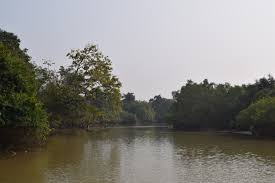
Situated along the coastline of the Bay of Bengal, Bhitarkanika is a delta formed by the rivers Brahmani, Baitarani, and Dhamra. This intertidal area is an intricate network of creeks, estuaries, tidal rivers, and mangrove forests. It plays a key role in coastal protection, climate regulation, and livelihood support for local communities.
Rich Biodiversity and Species Conservation
Bhitarkanika is globally recognized for its rich wildlife including saltwater crocodiles, olive ridley sea turtles, monitor lizards, king cobras, and over 300 species of birds, including migratory birds from Central Asia and Europe. It is home to the largest population of endangered saltwater crocodiles in India. The National Park and Wildlife Sanctuary status helps in protecting its fragile ecosystem.
Environmental Significance and Ramsar Status
In 2002, Bhitarkanika was declared a Ramsar site, which designates it as a wetland of international importance. It is vital for maintaining ecological balance, sequestering carbon, and buffering coastal erosion. The region also helps mitigate the impact of cyclones, which frequently affect the Odisha coast.
Importance in Government Exams and Policy
For aspirants of UPSC, State PSCs, Defence Services, Forest Services, and other competitive exams, understanding Bhitarkanika’s ecological, geographical, and conservation-related importance is crucial. Questions related to Ramsar sites, wildlife conservation, and Indian geography are commonly asked in both preliminary and mains examinations.
📌 Why this News is Important for Exam Aspirants
Relevance in Environmental and Geography Sections
This news is relevant for students preparing for civil services, teaching, defence, and other government exams, especially where environment, biodiversity, and Indian geography are part of the syllabus. Bhitarkanika being a Ramsar site and a biodiversity hotspot is frequently included in environmental awareness and conservation questions.
Current Affairs and Static GK Integration
Understanding Bhitarkanika integrates both current affairs (due to regular environmental updates) and static general knowledge. This dual relevance makes it a high-probability topic for exams like UPSC, SSC, State PSCs, and Forest Guard exams. Aspirants must be aware of the state location, ecological role, and conservation status of such regions.
🧾 Historical Context: India’s Efforts to Conserve Bhitarkanika
The Bhitarkanika ecosystem has long been recognized for its biological significance. In 1975, it was declared a Wildlife Sanctuary, followed by its designation as a National Park in 1998. Conservation efforts began intensifying in the 1990s to protect the saltwater crocodile population, supported by the UNDP and Government of India. The 2002 recognition as a Ramsar site placed it on the international map. Over the years, the Odisha Forest Department has worked with global agencies to preserve the mangroves and educate local communities about sustainable living.
📋 Key Takeaways from “Bhitarkanika Mangroves in Odisha”
| S.No | Key Takeaway |
|---|---|
| 1. | Bhitarkanika Mangroves are located in the Kendrapara district of Odisha. |
| 2. | It is the second-largest mangrove ecosystem in India after the Sundarbans. |
| 3. | Bhitarkanika was declared a Ramsar site in 2002. |
| 4. | It is home to India’s largest population of saltwater crocodiles. |
| 5. | The mangrove ecosystem is protected as a National Park and Wildlife Sanctuary. |
FAQs: Frequently Asked Questions
1. Where are Bhitarkanika Mangroves located?
Bhitarkanika Mangroves are located in Kendrapara district of Odisha, India.
2. Why are Bhitarkanika Mangroves important?
They are the second-largest mangrove ecosystem in India and play a vital role in biodiversity, coastal protection, and climate regulation.
3. What rivers contribute to the Bhitarkanika delta?
The delta is formed by the rivers Brahmani, Baitarani, and Dhamra.
4. What is the conservation status of Bhitarkanika?
Bhitarkanika is protected as a Wildlife Sanctuary, National Park, and is a designated Ramsar site.
5. Which species are commonly found in Bhitarkanika?
The area is famous for saltwater crocodiles, olive ridley sea turtles, king cobras, monitor lizards, and migratory birds.
Some Important Current Affairs Links

