
Niveshak Didi Phase II initiative by IEPFA in collaboration with India Post Payments Bank aims to boost financial literacy among rural women in India. Learn about its objectives, impact, and importance for government exam preparation.
Niveshak Didi Phase II Empowers Rural Women with Financial Literacy (Approx. 300+ Words)
Launch and Purpose
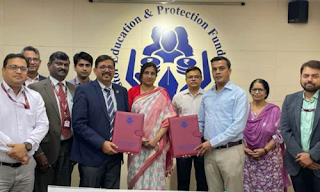
The Investor Education and Protection Fund Authority (IEPFA), under the Ministry of Corporate Affairs, officially launched Phase II of its flagship financial literacy initiative, Niveshak Didi, in Hyderabad. Designed to deepen financial awareness, Phase II aims to empower rural women and households with practical knowledge to make informed financial decisions and safeguard their savings
Venue and Key Participants
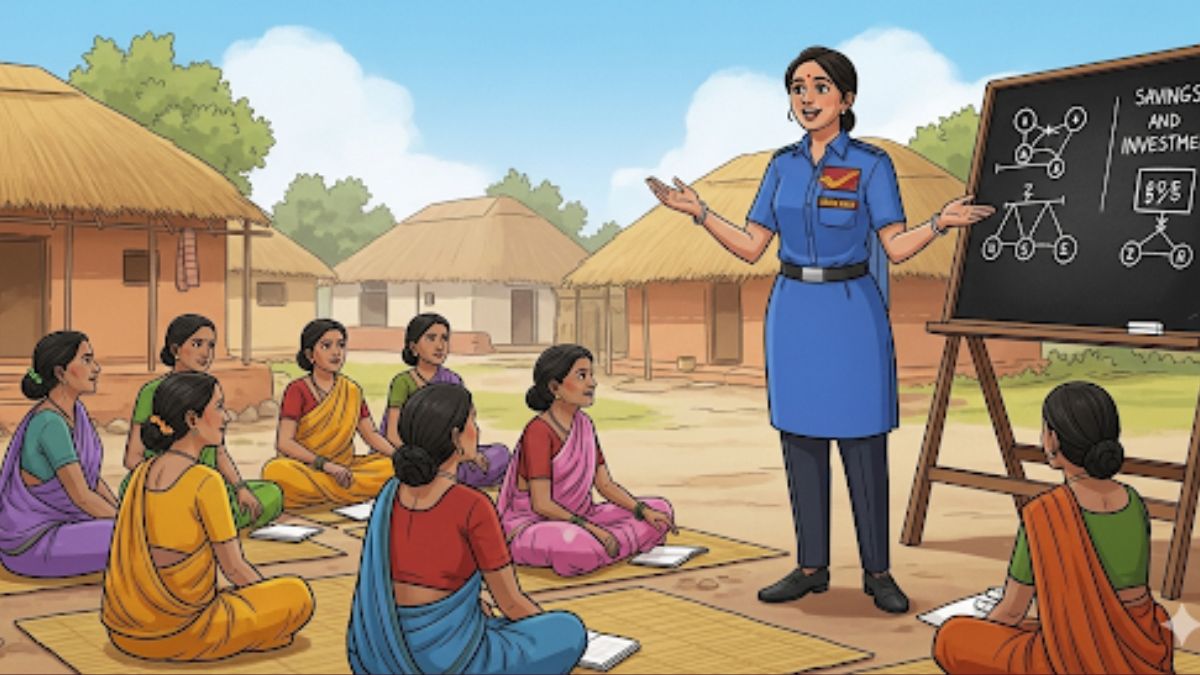
The launch was marked by a financial awareness camp at Patelguda Panchayat, Hyderabad, attended by key dignitaries: Ms. Anita Shah Akella (CEO, IEPFA) and Shri Krishna Kumar L (Region Head, India Post Payments Bank—IPPB, Telangana Circle). The event was conducted in Telugu, ensuring accessibility and comprehension for local participants
Expanded Scope of Phase II
Building on the foundations of Phase I, Phase II significantly expands outreach with more interactive training modules and strengthened collaboration with grassroots organizations, self-help groups, and local panchayats. The initiative emphasizes:
- Women-led financial empowerment via savings, investment awareness, and smart financial planning.
- Investor protection by raising awareness on frauds and unsafe financial schemes.
- Digital literacy: training on using mobile banking, UPI, and other secure online platforms.
- Confidence-building: enabling rural women to manage finances actively and contribute to their communities’ economic decisions
Strategic Collaboration with IPPB
A critical feature of Phase II is its strategic partnership with India Post Payments Bank (IPPB). IPPB’s extensive rural network—including postmen and Gramin Dak Sevaks—ensures last-mile delivery of financial education and services, helping translate awareness into action
Vision and Expected Impact
Through Niveshak Didi Phase II, IEPFA aims to build a financially resilient society where rural women are empowered not just as beneficiaries, but as community educators. The initiative aligns with the broader goals of financial inclusion, women-led development, and the Digital India mission, contributing to sustainable economic growth and investor protection at the grassroots level
B) Why This News Is Important
Driving Financial Inclusion and Women’s Empowerment
This initiative matters because it puts financial literacy directly into the hands of rural women, empowering them to take control of their family finances. As women often manage household savings, their informed decisions contribute significantly to community-level financial stability.
Strengthening Investor Protection
By educating rural communities about fraud prevention and safe investment practices, Niveshak Didi Phase II builds community resilience against financial scams—an important topic for aspirants preparing for roles in public administration, banking, or police, where understanding citizen welfare is key.
Operational Reach via IPPB Network
The collaboration with IPPB ensures effective delivery of financial education. With IPPB’s far-reaching rural presence, the initiative can penetrate deep into underserved areas, a critical requirement for schemes that demand last-mile connectivity.
Alignment with National Priorities
The program aligns strongly with government objectives like Digital India, financial inclusion, and women-led growth—topics commonly featured in Civil Service, Banking, Railways, and Defence exam syllabi, particularly under sections like national initiatives and socio-economic development.
C) Historical Context
Background of Niveshak Didi
Launched initially in 2022, Phase I of Niveshak Didi trained women postal workers as financial literacy ambassadors. Over 55,000 beneficiaries participated in IPPB financial literacy camps across India; approximately 60% were women from rural and economically active age groups
Public-Private Collaboration
Phase II builds on a Memorandum of Agreement (MoA) between IEPFA and IPPB, enabling a structured and wider rollout. Nearly 4,000 camps will be deployed, managed by around 40,000 trained women postal workers acting as “Niveshak Didis”
This initiative reflects the government’s longer-term strategy to empower communities through grassroots mobilization, financial resilience, and digital inclusion—key themes in India’s socio-economic reform narratives.
D) Key Takeaways from “Niveshak Didi Phase II”
| S.No | Key Takeaway |
|---|---|
| 1 | Launch of Niveshak Didi Phase II by IEPFA, targeting rural women for financial literacy |
| 2 | Launch event held in Hyderabad, particularly at Patelguda Panchayat, in local language Telugu |
| 3 | Emphasis on women-led financial empowerment, fraud prevention, savings, smart investments and digital literacy |
| 4 | IPPB’s crucial role via its rural network ensures last-mile delivery of education and services |
| 5 | Scaling from Phase I, which trained women postal workers and reached 55,000+ beneficiaries, Phase II intends to deploy 4,000 camps led by 40,000 trained women |
FAQs: Frequently Asked Questions
Q1. What is Niveshak Didi Phase II?
Niveshak Didi Phase II is a financial literacy initiative launched by the Investor Education and Protection Fund Authority (IEPFA) to empower rural women with knowledge about savings, investments, fraud prevention, and digital banking tools.
Q2. Which organization launched Niveshak Didi Phase II?
The initiative was launched by the IEPFA under the Ministry of Corporate Affairs in collaboration with the India Post Payments Bank (IPPB).
Q3. Where was Niveshak Didi Phase II launched?
It was launched at Patelguda Panchayat in Hyderabad, Telangana.
Q4. Why is Niveshak Didi important for rural women?
Because it helps rural women gain confidence in handling financial matters, avoid frauds, improve savings, and contribute actively to household and community financial decisions.
Q5. How does India Post Payments Bank (IPPB) support this initiative?
IPPB provides last-mile connectivity through its wide rural network, including postmen and Gramin Dak Sevaks, ensuring effective outreach and training delivery.
Q6. What was the impact of Niveshak Didi Phase I?
Phase I trained women postal workers as financial literacy ambassadors, reaching over 55,000 beneficiaries, out of which around 60% were rural women.
Q7. How many camps will be organized under Phase II?
Around 4,000 financial literacy camps will be organized under Phase II, supported by nearly 40,000 trained women postal workers.
Q8. Which language was used in the Hyderabad launch program?
The awareness camp was conducted in Telugu, the local language of the participants.
Q9. How is this initiative linked to government priorities?
It supports Digital India, financial inclusion, women-led development, and grassroots empowerment, which are core national policy objectives.
Q10. Why is this news relevant for competitive exams?
Because it covers government schemes, financial literacy, women empowerment, and public policy implementation, which are frequently asked in Banking, SSC, Railways, Defence, Teaching, PCS, and IAS exams.
Some Important Current Affairs Links

