

National e-Governance Awards 2025 Winners recognize Gram Panchayats for digital innovation. Explore award-winning initiatives, platforms, and benefits for rural governance and citizen services.
Gram Panchayats Win National e-Governance Awards 2025 for Digital Innovation
Introduction: Empowering Rural Governance through Digital Transformation
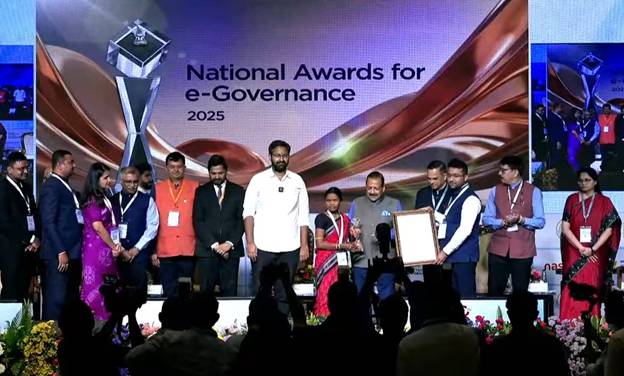
In a significant stride towards digital empowerment at the grassroots level, several Gram Panchayats across India have been honored with the National e-Governance Awards (NAeG) 2025. These awards recognize the innovative use of technology to enhance transparency, efficiency, and citizen engagement in rural governance. The awards were presented during the 28th National Conference on e-Governance held in Visakhapatnam, Andhra Pradesh, on September 22, 2025. The event was graced by Union Minister Dr. Jitendra Singh, Minister of State in the Prime Minister’s Office, who acknowledged the transformative role of digital initiatives in local governance
Award-Winning Initiatives: A Glimpse into Digital Excellence
The 2025 NAeG introduced a new category focusing on grassroots-level digital innovations. Over 1.45 lakh entries were evaluated, highlighting the widespread adoption of e-governance practices. Among the notable awardees were:
- Gold Award: Rohini Gram Panchayat, Maharashtra
This Panchayat became the first in Maharashtra to adopt a 100% paperless e-office system. It offers over 1,000 digital services, including birth certificates, permits, and welfare schemes. The initiative has achieved full household digital literacy and employs real-time grievance redressal mechanisms. - Silver Award: West Majlishpur Gram Panchayat, Tripura
West Majlishpur developed a Citizen Charter-driven approach, offering digital services for civil registrations, MGNREGS job cards, trade licenses, and property records. All applications are digitally tracked, ensuring timeliness and transparency. - Jury Award: Palsana Gram Panchayat, Gujarat
Palsana integrated platforms like Digital Gujarat and Gram Suvidha, enabling QR/UPI-based property tax payments and online grievance handling. The Panchayat serves over 10,000 citizens annually, promoting ease of living through technology. - Jury Award: Suakati Gram Panchayat, Odisha
Suakati utilized platforms such as OdishaOne and Seva Odisha for 24×7 citizen access with real-time tracking. The initiative emphasizes women leadership and inclusive delivery, bridging the last mile between government and citizens.
Why This News Is Important:
Promoting Digital Literacy and Inclusivity
The recognition of these Gram Panchayats underscores the importance of digital literacy in rural areas. By providing citizens with online access to government services, these initiatives have empowered communities, especially women and marginalized groups, to participate actively in governance.
Enhancing Transparency and Accountability
Digital platforms have facilitated real-time tracking of services, reducing corruption and ensuring timely delivery. Citizens can now monitor the status of their applications and grievances, fostering trust in local governance.
Setting Benchmarks for Other Panchayats
The success stories of these award-winning Panchayats serve as models for others to emulate. The integration of technology into governance processes has proven to be a catalyst for development, encouraging other Panchayats to adopt similar practices.
Historical Context:
India’s journey towards e-governance began in the late 1990s with the launch of the National Informatics Centre (NIC) and the implementation of the State Wide Area Network (SWAN). The introduction of the Digital India Programme in 2015 marked a significant milestone, aiming to transform India into a digitally empowered society. The establishment of the National e-Governance Awards in 2009 further encouraged the adoption of technology in governance. The inclusion of Gram Panchayats in the 2025 awards reflects the government’s commitment to decentralizing digital governance and promoting inclusive development.
Key Takeaways from ‘Gram Panchayats Win National e-Governance Awards 2025’
| No. | Key Takeaway |
|---|---|
| 1. | The 2025 NAeG introduced a category for grassroots-level digital innovations, with over 1.45 lakh entries evaluated. |
| 2. | Rohini Gram Panchayat in Maharashtra became the first in the state to adopt a 100% paperless e-office system. |
| 3. | West Majlishpur Gram Panchayat in Tripura developed a Citizen Charter-driven approach, offering digital services for civil registrations and other services. |
| 4. | Palsana Gram Panchayat in Gujarat integrated platforms like Digital Gujarat and Gram Suvidha, enabling QR/UPI-based property tax payments and online grievance handling. |
| 5. | Suakati Gram Panchayat in Odisha utilized platforms such as OdishaOne and Seva Odisha for 24×7 citizen access with real-time tracking, emphasizing women leadership and inclusive delivery. |
Conclusion: A Digital Future for Rural India
The recognition of these Gram Panchayats highlights the transformative power of digital technology in enhancing governance at the grassroots level. As more Panchayats adopt digital practices, India moves closer to realizing its vision of a digitally empowered rural society. These initiatives not only improve service delivery but also foster a culture of transparency, accountability, and active citizen participation.
FAQs: Frequently Asked Questions
1. What are the National e-Governance Awards (NAeG)?
The National e-Governance Awards (NAeG) recognize innovative and effective use of digital technology in governance across India, including initiatives at the central, state, and local levels.
2. Which Gram Panchayats won the NAeG 2025 awards?
Notable winners include Rohini Gram Panchayat (Maharashtra) – Gold, West Majlishpur Gram Panchayat (Tripura) – Silver, Palsana Gram Panchayat (Gujarat) – Jury Award, and Suakati Gram Panchayat (Odisha) – Jury Award.
3. What digital initiatives were recognized in NAeG 2025?
Initiatives included 100% paperless e-offices, citizen charter-driven services, QR/UPI-based tax payments, digital grievance tracking, and 24×7 citizen service platforms like OdishaOne and Gram Suvidha.
4. How does digital governance benefit rural communities?
It promotes transparency, reduces corruption, ensures timely service delivery, improves citizen participation, and fosters digital literacy, especially among marginalized groups and women.
5. When and where was the 28th National Conference on e-Governance held?
The conference was held on September 22, 2025, in Visakhapatnam, Andhra Pradesh.
6. Who presented the NAeG 2025 awards?
The awards were presented by Union Minister Dr. Jitendra Singh, Minister of State in the Prime Minister’s Office.
7. What is the significance of including Gram Panchayats in NAeG?
Including Gram Panchayats highlights the decentralization of digital governance and encourages local-level innovation to improve service delivery and citizen engagement.
8. What are some platforms used in these digital initiatives?
Platforms include Digital Gujarat, Gram Suvidha, OdishaOne, Seva Odisha, and various e-office and citizen grievance management systems.
9. How many entries were evaluated for NAeG 2025?
Over 1.45 lakh entries were evaluated from various government bodies across India.
10. How do these initiatives align with Digital India goals?
These initiatives support the Digital India mission by promoting e-governance, digital literacy, transparency, and inclusive development at the grassroots level.
Some Important Current Affairs Links

