

Where is the Hornbill Festival Celebrated?
Introduction to the Hornbill Festival
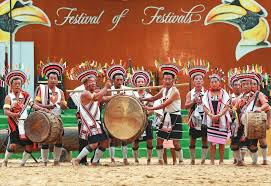
The Hornbill Festival is one of the most iconic and culturally rich events in India, celebrated annually in the northeastern state of Nagaland. This festival is a vibrant showcase of the state’s rich indigenous culture, traditions, and heritage. Held in the first week of December, it attracts thousands of tourists from across the globe, as well as from within the country. The festival is primarily organized by the state government and features a wide range of activities, including folk dances, traditional music performances, handicraft exhibitions, and various tribal rituals.
Location and Significance of the Festival
The Hornbill Festival is celebrated at the Naga Heritage Village in Kisama, located just 12 kilometers from Kohima, the capital city of Nagaland. The village serves as the perfect backdrop for the festival, offering a blend of modern facilities and traditional Naga architecture. The event provides an opportunity for various Naga tribes to showcase their unique customs, rituals, and art forms, making it not just a cultural celebration but also an important platform for preserving the tribal identities of the region.
Celebrating Naga Traditions and Culture
The Hornbill Festival is named after the state bird of Nagaland, the Hornbill, which symbolizes the rich cultural heritage of the Nagas. The festival celebrates the indigenous tribes of Nagaland, such as the Ao, Angami, Sumi, Lotha, and many others, each with its distinct language, clothing, and rituals. During the festival, these tribes come together to celebrate their shared cultural heritage through a series of performances, traditional dances, musical performances, and sports events. One of the highlights of the festival is the traditional Naga wrestling, which draws large crowds.
Importance of the Festival for Tourism and Economy
The Hornbill Festival not only plays a key role in preserving and promoting the indigenous culture of Nagaland but also significantly contributes to the state’s economy through tourism. It attracts both national and international tourists, boosting local businesses and providing opportunities for the local community. The festival offers a platform for showcasing local handicrafts and cuisines, which are also major attractions for visitors. As a result, the Hornbill Festival has become a significant cultural and economic event for Nagaland.
Why this News is Important
Promoting Cultural Heritage
The Hornbill Festival is a vital event for preserving and promoting the indigenous culture of Nagaland. It offers a platform for various Naga tribes to showcase their customs, rituals, and art forms, allowing the younger generation to learn about and take pride in their heritage. By celebrating these traditions, the festival ensures that they are passed on to future generations, preventing the erosion of the unique cultural identities of these tribes.
Boosting Tourism and Local Economy
The festival is a major tourist attraction, drawing both domestic and international visitors. This influx of tourists helps promote Nagaland’s rich cultural heritage globally while contributing to the local economy. The hospitality, craft, and food industries in Nagaland benefit significantly from the event, providing employment opportunities for the local population. The Hornbill Festival thus plays a key role in the state’s economic development through tourism.
Fostering National Unity
The Hornbill Festival is not just a regional celebration; it is a symbol of India’s diversity. The participation of people from different parts of the country and the global community highlights the importance of unity in diversity. The festival promotes cultural exchange and understanding, fostering a sense of national pride and solidarity among different tribes and communities.
Historical Context: Background Information
The Hornbill Festival was first held in 2000 as a way to showcase the cultural diversity of Nagaland and promote tourism. It was envisioned as a platform to bring together various Naga tribes and promote unity, despite their distinct identities. Over the years, the festival has grown in size and significance, evolving into a major cultural event that attracts attention not just from India but from across the world. The festival is also a testament to the resilience of the Naga people in preserving their rich traditions, despite historical challenges such as conflicts and modernization.
Key Takeaways from “Where is the Hornbill Festival Celebrated?”
| S.No | Key Takeaway |
|---|---|
| 1 | The Hornbill Festival is celebrated in Nagaland, primarily at the Naga Heritage Village in Kisama, near Kohima. |
| 2 | The festival showcases the diverse cultural traditions of Nagaland’s indigenous tribes, such as Ao, Angami, and Sumi. |
| 3 | It is named after the Hornbill bird, a symbol of the state’s cultural heritage. |
| 4 | The festival is a major tourist attraction, boosting Nagaland’s local economy through tourism and related industries. |
| 5 | The Hornbill Festival plays a key role in preserving and promoting Naga traditions, fostering unity and cultural exchange. |
Important FAQs for Students from this News
1. What is the Hornbill Festival?
The Hornbill Festival is an annual cultural festival held in Nagaland, India, showcasing the rich heritage of various Naga tribes. It is celebrated with folk dances, music performances, tribal rituals, and exhibitions, offering a glimpse into the traditions of Nagaland.
2. Where is the Hornbill Festival celebrated?
The festival is primarily celebrated at the Naga Heritage Village in Kisama, located near the capital city of Kohima, Nagaland.
3. When is the Hornbill Festival held?
The Hornbill Festival takes place annually during the first week of December.
4. Why is the Hornbill Festival named after the Hornbill bird?
The festival is named after the Hornbill, the state bird of Nagaland, symbolizing the cultural richness and heritage of the Nagas.
5. What activities are featured during the Hornbill Festival?
The festival includes traditional dances, music performances, folk art exhibitions, handicraft stalls, Naga wrestling, and a display of local cuisine, all showcasing the diverse traditions of Nagaland.
Some Important Current Affairs Links

