
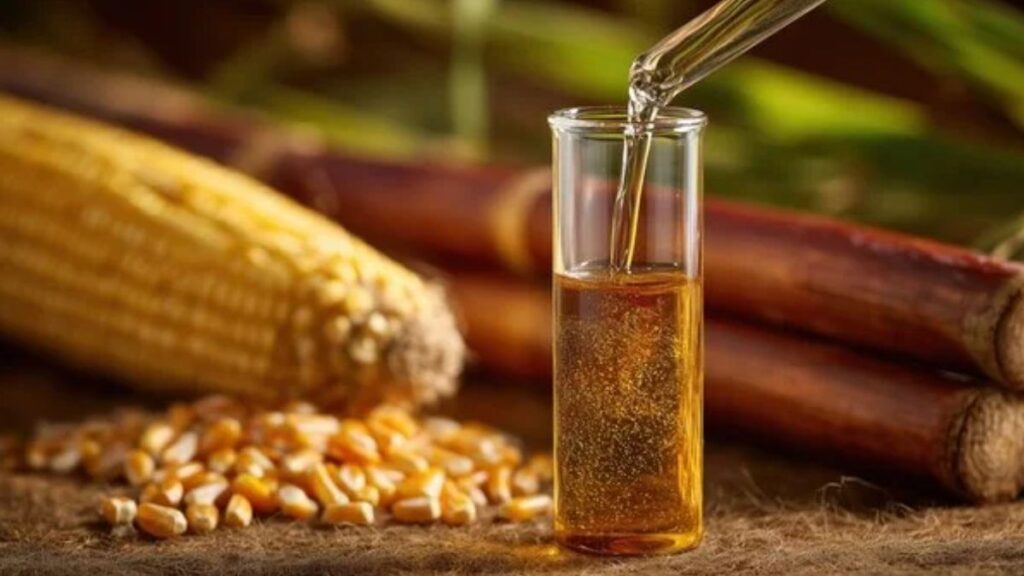
Maize ethanol production India is transforming the clean energy sector as India expands its Ethanol Blended Petrol Programme, boosting energy security, reducing emissions, and supporting farmers.
Maize Emerges as Key Driver of India’s Ethanol Economy
India’s clean energy transition has received a major boost as maize has emerged as the leading feedstock for ethanol production, marking a structural shift in the country’s biofuel strategy. Traditionally, ethanol production in India was dominated by sugarcane and its by-products such as molasses. However, increasing demand under the Ethanol Blended Petrol (EBP) Programme has significantly changed the feedstock landscape.
🚗 Ethanol Blending Programme and Energy Security Goals
The Government of India has been aggressively promoting ethanol blending in petrol to reduce dependence on imported crude oil and strengthen energy security. Under this initiative, ethanol is blended with petrol to reduce carbon emissions and promote sustainable fuel alternatives. India has already achieved major progress in ethanol blending and is moving toward higher blending targets in the coming years.
🌽 Why Maize is Becoming the Preferred Feedstock
Maize has gained importance due to its high starch content, making it highly efficient for ethanol conversion. Favorable government policies, better procurement prices, and rising demand from distilleries have encouraged farmers to increase maize cultivation. This shift is also helping diversify agricultural income sources across maize-producing states such as Karnataka, Bihar, Maharashtra, and Madhya Pradesh.
⚡ Growth of Grain-Based Ethanol Industry
The rise of grain-based ethanol production has strengthened India’s biofuel ecosystem. Distilleries are increasingly relying on maize as a stable and scalable raw material. This transformation supports not only clean energy goals but also enhances rural income and agricultural diversification.
🌍 Strategic Importance for India
This transition plays a key role in reducing fossil fuel dependence, lowering greenhouse gas emissions, and supporting India’s long-term vision of sustainable energy development.

🧭 Why This News is Important
🔋 Energy Security and Import Reduction
India imports a large share of its crude oil requirements, making it vulnerable to global price fluctuations and geopolitical risks. The shift toward maize-based ethanol production directly supports the country’s goal of reducing dependence on imported fossil fuels and strengthening energy security.
🌍 Climate Change and Environmental Benefits
Ethanol blending significantly reduces carbon emissions compared to conventional petrol. By expanding ethanol production through maize, India is accelerating its transition toward cleaner transportation fuels, which is essential for meeting climate commitments under global agreements.
👨🌾 Impact on Farmers and Rural Economy
The rising demand for maize has created new income opportunities for farmers. With better market prices and stable demand from ethanol distilleries, maize cultivation is becoming more profitable, thereby improving rural livelihoods and agricultural diversification.
⚖️ Policy and Economic Significance
The Ethanol Blended Petrol Programme is a key policy initiative aimed at transforming India’s energy landscape. The increasing role of maize highlights how agricultural policy and energy policy are becoming closely interconnected in India’s development strategy.
📚 Historical Context
The Ethanol Blended Petrol (EBP) Programme was launched by the Government of India in the early 2000s to reduce dependence on imported crude oil and promote renewable fuels. Initially, ethanol production was heavily dependent on sugarcane molasses.
Over time, policy reforms and the National Policy on Biofuels (2018) expanded feedstock options to include grains such as maize and rice. This diversification was necessary due to fluctuations in sugarcane availability and rising ethanol demand.
India achieved 20% ethanol blending (E20) ahead of its target timeline, marking a significant milestone in its clean energy journey. The increasing adoption of grain-based ethanol, especially maize, represents the next phase of this transition, balancing energy needs with agricultural development.
📊 Key Takeaways from “India’s Clean Energy Push and Maize-Based Ethanol Growth”
| S. No. | Key Takeaway |
|---|---|
| 1 | Maize has emerged as the leading feedstock for ethanol production in India. |
| 2 | The Ethanol Blended Petrol (EBP) Programme aims to reduce crude oil imports and emissions. |
| 3 | Maize is preferred due to its high starch content and efficient ethanol conversion. |
| 4 | Major maize-producing states include Karnataka, Bihar, Maharashtra, and Madhya Pradesh. |
| 5 | The shift to maize-based ethanol supports both clean energy goals and farmer income growth. |
FAQs: India’s Maize-Based Ethanol Production & Clean Energy Push
1. What is ethanol blending in petrol?
Ethanol blending is the process of mixing ethanol with petrol to reduce fossil fuel consumption and lower carbon emissions. India promotes this under the Ethanol Blended Petrol (EBP) Programme.
2. Why is maize important for ethanol production in India?
Maize is rich in starch, which makes it highly efficient for ethanol conversion. It has become a key alternative feedstock besides sugarcane.
3. Which crops were traditionally used for ethanol in India?
Earlier, ethanol production in India mainly depended on sugarcane and its by-products like molasses.
4. Which states are major producers of maize in India?
Key maize-producing states include Karnataka, Bihar, Maharashtra, Madhya Pradesh, and Uttar Pradesh.
5. What is the benefit of maize-based ethanol for farmers?
It increases demand for maize, improves market prices, and provides farmers with an additional stable income source.
6. What is India’s ethanol blending target?
India aims to achieve higher ethanol blending levels, with significant progress already made toward E20 (20% ethanol blending).
7. How does ethanol blending help the environment?
It reduces greenhouse gas emissions, decreases air pollution, and lowers dependence on fossil fuels.
Some Important Current Affairs Links

