
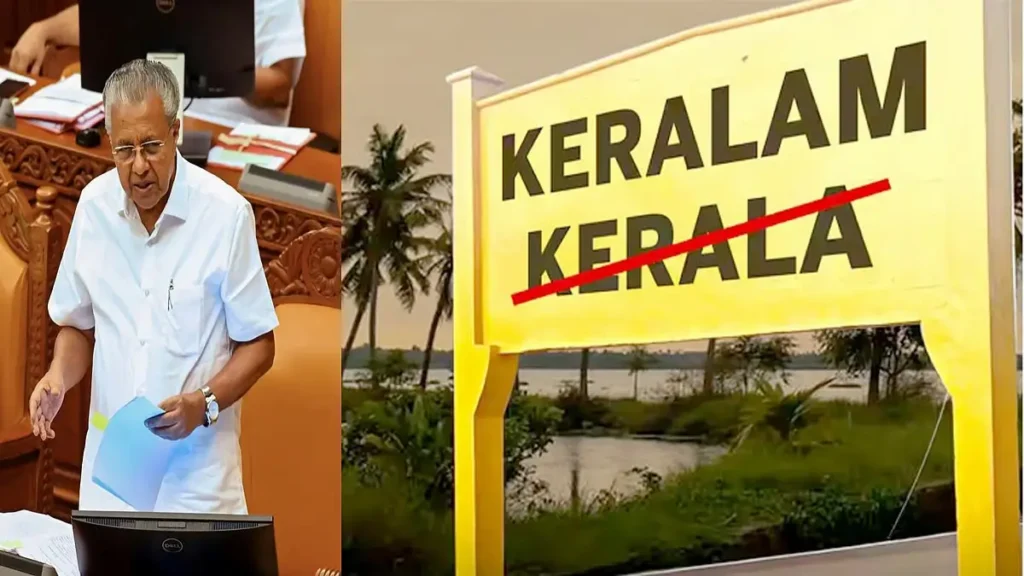
Kerala renamed as Keralam after Union Cabinet approval under Article 3 of the Constitution. Learn the constitutional process, historical background, and exam-relevant key facts for UPSC, SSC, Banking, Railways, Defence and PSC exams.
Union Cabinet Approves Renaming Kerala as “Keralam”
Historic Move by the Union Cabinet
The Union Cabinet, chaired by Prime Minister Narendra Modi, has approved a landmark proposal to rename the Indian state of Kerala to “Keralam.” This decision, taken on 24 February 2026, marks the beginning of the constitutional process to officially alter the name of the state under Article 3 of the Constitution of India — the same constitutional provision that allows Parliament to change a state’s name, boundaries, or territorial limits.
Constitutional and Legislative Procedure Ahead
Once the Cabinet gives its approval, the constitutional steps begin. The President of India will refer the Kerala (Alteration of Name) Bill, 2026 to the Kerala Legislative Assembly for expressing its views. After receiving the Assembly’s opinion, the Union Government will introduce the Bill in the Parliament of India, where it must be passed by a simple majority in both Houses. Finally, the Bill will require the President’s assent to become law and amend the First Schedule of the Constitution, which currently lists the state’s name as “Kerala.”
Rationale Behind the Renaming
The primary objective behind this proposal is to reflect the state’s linguistic and cultural identity in its official English name. While the state has functioned under the name “Kerala” since its reorganisation in 1956, the original name in the native Malayalam language has always been “Keralam.” Supporters of the renaming argue that this change restores the state’s authentic identity in official and constitutional records.
Political and Cultural Impact
The move comes at a time when the Kerala Assembly elections are approaching, lending additional political relevance to the decision. The proposal was initially passed as a unanimous resolution by the Kerala Legislative Assembly in June 2024, urging the Centre to take action to change the official name.
Public and Literary Sentiments
The decision has been welcomed by various cultural and literary figures from Kerala. Eminent Malayali literary icons recently met Prime Minister Modi to express their gratitude and support for the renaming, emphasizing the importance of preserving linguistic heritage.
What Happens Next
If Parliament passes the bill successfully, the official name “Keralam” will appear in all constitutional documents, official records, maps, and central government communications. This will mark one of the few instances of a state’s name being altered in India’s democratic history — the most recent similar changes include Odisha (formerly Orissa) and Uttaranchal changing to Uttarakhand.

📌 Why This News Is Important
Significance for Competitive Exams
This development is crucial for students preparing for competitive exams like SSC CGL, UPSC Civil Services (IAS/IPS), Railways, Banking (IBPS, SBI PO), State PSCs, and Defence Services Exams because it covers multiple themes — Constitutional Law, Federal Structure, Linguistic Identity, and Current Affairs. Questions on constitutional amendments, Article 3, and state reorganisation often feature in General Studies papers across both Prelims and Mains stages.
Reflection of Cultural Identity and Linguistic Rights
The proposal highlights India’s democratic framework where federal units can seek recognition of their cultural identity through constitutional procedures. The renaming underscores the significance of respecting linguistic preferences in official nomenclature, which is relevant in subjects like History, Polity, and Culture of India.
Procedural Understanding of Constitution
This news also gives insight into the constitutional process under Article 3, which is a direct question area in many exams. Aspirants should understand how state names are altered and what steps — including the President’s reference to state legislature and Parliament decisions — are involved.
Policy Interpretation and Governance
The news reflects larger governance decisions taken by the Union Cabinet, a key executive body in India’s parliamentary system. This aids students in the Administration and Governance segment of exam syllabi, where understanding government functioning and decision-making is vital.
Relevance to National Integration
Finally, name changes of states often spark debates on national unity, identity politics, and cultural representation — topics that appear in essay and interview rounds of civil services exams. Knowing such changes helps candidates form informed opinions for descriptive answers.
📌 Historical Context: Background of Kerala’s Name Change
State Reorganisation of 1956
The state of Kerala was formed on 1 November 1956 under the States Reorganisation Act, which was based on linguistic criteria to unify Malayalam-speaking regions. The day is celebrated annually as Kerala Piravi Day. Since its inception, the Malayalam-speaking populace has traditionally used the term “Keralam.”
Local Sentiment and Regional Identity
For decades, local scholars, cultural figures, and political leaders in Kerala argued that the English name “Kerala” did not reflect the native pronunciation and linguistic heritage of the state. The demand intensified over the years, culminating in the Kerala Legislative Assembly’s unanimous resolutions in August 2023 and June 2024 requesting the Centre to pursue official recognition of the name “Keralam.”
Similar State Name Changes in India
India has witnessed several state renamings rooted in linguistic and cultural aspirations:
- Madras State → Tamil Nadu (1969)
- Mysore → Karnataka (1973)
- Orissa → Odisha (2011)
- Uttaranchal → Uttarakhand (2007)
These examples show that name changes are part of India’s evolving democratic identity.
Constitutional Provision – Article 3
Article 3 of the Constitution empowers Parliament to legislate alterations in state names. The process involves reference to the concerned state assembly and subsequent approval by both Houses of Parliament. This same mechanism is now being used to implement Kerala’s new name — Keralam.
📌 Key Takeaways from “Union Cabinet Approves Kerala to Keralam”
| S. No. | Key Takeaway |
|---|---|
| 1 | The Union Cabinet approved the proposal to rename the state of Kerala to “Keralam.” |
| 2 | The renaming process triggers constitutional procedures under Article 3 of the Constitution of India. |
| 3 | The Kerala Legislative Assembly had passed unanimous resolutions in 2023 and 2024 asking for the name change. |
| 4 | The President will refer the Kerala (Alteration of Name) Bill, 2026 to the state legislature before it is introduced in Parliament. |
| 5 | The move is seen as recognition of cultural and linguistic identity and has support from literary figures and leaders. |
FAQs: Union Cabinet Approves Renaming of Kerala to “Keralam”
1. Which constitutional provision allows the renaming of a state in India?
The renaming of a state is governed by Article 3 of the Constitution of India, which empowers Parliament to form new states or alter the name, boundaries, or area of existing states.
2. Who approved the proposal to rename Kerala as Keralam?
The proposal was approved by the Union Cabinet of India, chaired by Narendra Modi.
3. What is the next step after Cabinet approval?
After Cabinet approval, the President refers the Bill to the concerned State Legislature for its views. Subsequently, the Bill is introduced in Parliament and must be passed by a simple majority in both Houses.
4. Why is the name being changed from Kerala to Keralam?
The change reflects the linguistic and cultural identity of the state. “Keralam” is the name used in the Malayalam language, and the move aims to align the official English name with local pronunciation and heritage.
5. When was Kerala originally formed?
Kerala was formed on 1 November 1956 under the States Reorganisation Act, which reorganized states on linguistic lines.
6. Does the State Legislature have the final authority to approve the name change?
No. The State Legislature only gives its opinion. The final authority rests with Parliament, which must pass the Bill.
7. Have other Indian states changed their names before?
Yes. Examples include:
- Odisha (formerly Orissa)
- Uttarakhand (formerly Uttaranchal)
- Tamil Nadu (formerly Madras State)
8. Which schedule of the Constitution will be amended after the change?
The First Schedule of the Constitution, which lists the names of states and union territories, will be amended.
9. Why is this news important for competitive exams?
This topic covers constitutional provisions, federal structure, governance, and cultural identity — all important areas for UPSC, SSC, Banking, Railways, Defence, and State PSC exams.
10. Is a constitutional amendment required to rename a state?
No constitutional amendment under Article 368 is required. The process under Article 3 is sufficient.
Some Important Current Affairs Links

