
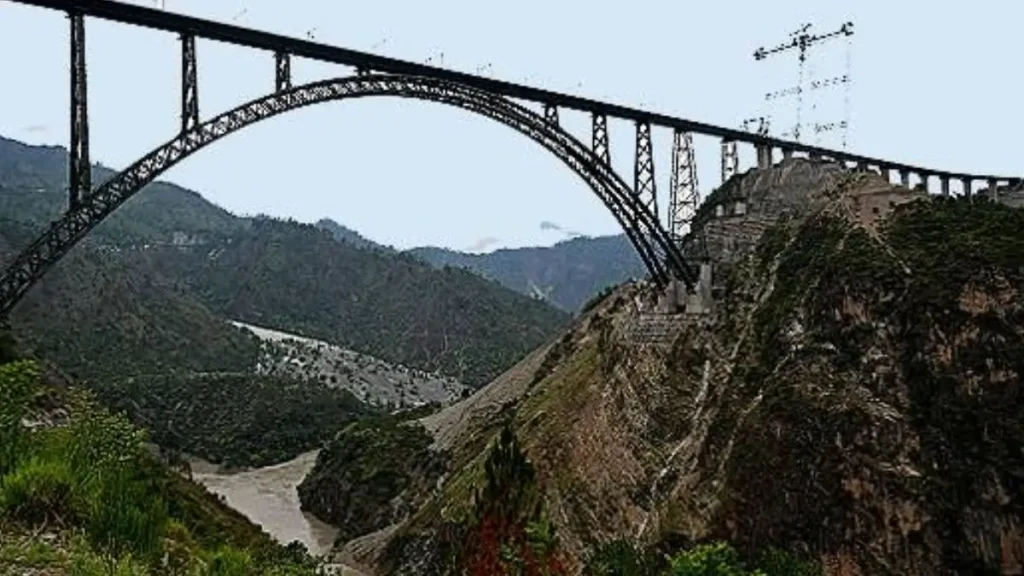
Jammu Katra Rail Upgrade ₹238 Crore Project: Indian Railways’ safety initiative includes slope stabilisation, tunnel rehabilitation and bridge protection on the Jammu–Katra route under Northern Railway, important for UPSC and government exams.
Indian Railways Approves ₹238 Crore Upgrade Plan for Jammu–Katra Rail Section
The Government of India has approved a major infrastructure and safety upgrade project worth ₹238 crore for the Jammu–Shri Mata Vaishno Devi Katra railway section under Northern Railway. The project focuses on improving railway safety, tunnel rehabilitation, slope stabilisation, and bridge protection in one of India’s most strategically important and geographically challenging rail corridors. The move is significant for lakhs of pilgrims, tourists, defence logistics, and railway passengers travelling to Jammu and Kashmir every year.
Strategic Importance of the Jammu–Katra Rail Route
The Jammu–Katra rail section serves as the gateway to the famous Shri Mata Vaishno Devi Shrine, one of India’s most visited pilgrimage destinations. Millions of devotees use this railway line annually to reach Katra before continuing their journey to the shrine.
Apart from religious tourism, the route is strategically important because it forms part of the larger railway connectivity project linking the Kashmir Valley with the rest of India. The rail line also supports defence movement and economic development in Jammu and Kashmir.
Major Safety and Infrastructure Works Approved
Indian Railways has sanctioned several technical and safety-related works under the ₹238 crore package. These works mainly focus on protecting railway infrastructure from landslides, geological instability, seepage, and weather-related damage.
Slope Stabilisation Measures
Large portions of the Jammu–Katra rail section pass through hilly and landslide-prone terrain. To reduce risks, railway authorities will carry out slope stabilisation works in vulnerable zones. These measures are expected to prevent falling rocks, landslides, and soil erosion that could disrupt train operations.
Tunnel Rehabilitation and Seepage Treatment
The route contains multiple tunnels built through difficult Himalayan terrain. Over time, tunnel seepage and water infiltration create operational and safety concerns. The project includes tunnel rehabilitation and treatment of seepage issues to strengthen the structural integrity of tunnels and improve passenger safety.
Bridge Protection Works
Railway bridges along the route are exposed to harsh weather conditions and geological stress. The approved plan includes bridge protection interventions and rehabilitation measures to improve durability and ensure uninterrupted train movement.
Challenges Faced by the Jammu–Katra Railway Corridor
The railway line passes through difficult mountainous terrain and fragile geological zones. Heavy rainfall, snowfall, landslides, and seismic activity often create operational challenges for Indian Railways.
Railway authorities have continuously maintained the line through engineering interventions and infrastructure monitoring. The newly approved protection works are expected to make the corridor more resilient against natural disasters and adverse weather conditions.
Government’s Statement on the Project
Union Railway Minister Ashwini Vaishnaw stated that the sanctioned works reflect the government’s commitment to ensuring safe and reliable rail connectivity in some of the country’s toughest terrains.
According to the Ministry of Railways, the decision was taken after detailed assessments of bridges, tunnels, and vulnerable sections of the corridor. The ministry believes the project will significantly strengthen long-term operational safety and reliability.
Link with Kashmir Railway Connectivity
The Jammu–Katra section has gained greater importance after the expansion of railway connectivity toward Kashmir. Recent developments involving Vande Bharat train operations and the Udhampur-Srinagar-Baramulla Rail Link (USBRL) project have increased focus on strengthening rail infrastructure in the region.
The rail network is expected to improve tourism, economic integration, and transportation efficiency in Jammu and Kashmir while reducing dependency on road transport, especially during adverse weather conditions.
Benefits Expected from the ₹238 Crore Upgrade
The approved safety upgrade plan is expected to provide multiple long-term benefits:
Improved Passenger Safety
Slope protection, tunnel rehabilitation, and bridge strengthening will reduce accident risks and improve operational reliability.
Better Connectivity
The project will support uninterrupted railway services between Jammu and Katra, particularly during monsoon and winter seasons.
Boost to Tourism and Pilgrimage
Safer and more reliable train services are expected to encourage more tourists and pilgrims to visit Jammu and Kashmir.
Strategic and Economic Importance
Enhanced railway infrastructure strengthens national integration, defence logistics, and regional economic development.
Reduced Weather-Related Disruptions
The new infrastructure works are designed to improve resilience against landslides, heavy rainfall, and extreme climatic conditions.

Why This News is Important
Important for Infrastructure and Economic Development
This news is important because it highlights the Government of India’s continued investment in railway modernisation and strategic infrastructure development. Railway connectivity plays a crucial role in regional economic growth, tourism, trade, and employment generation.
The Jammu–Katra railway corridor is particularly significant because it supports one of India’s busiest pilgrimage routes and connects sensitive border regions with the national transport network. Infrastructure improvement in such regions directly contributes to national integration and development.
Important for Disaster Management and Safety
The Himalayan terrain is vulnerable to landslides, floods, earthquakes, and extreme weather conditions. Railway infrastructure in such areas requires continuous protection and engineering upgrades. The ₹238 crore project demonstrates how modern infrastructure planning includes disaster resilience and climate adaptation measures.
For competitive examination aspirants, this topic is relevant under disaster management, infrastructure development, transportation, internal security, and government schemes.
Important for UPSC and Government Exams
Questions related to railway infrastructure projects, strategic connectivity, and government investments frequently appear in UPSC, SSC, Railways, Banking, State PSC, and defence examinations. Aspirants should remember the following exam-relevant points:
- Jammu–Katra section belongs to Northern Railway.
- Project cost is ₹238 crore.
- Main works include slope stabilisation, tunnel rehabilitation, and bridge protection.
- The route is strategically linked with the Kashmir railway connectivity project.
- The project supports pilgrimage tourism and defence logistics.
Historical Context
Development of Railway Connectivity in Jammu and Kashmir
Railway expansion in Jammu and Kashmir has been one of India’s most ambitious infrastructure projects due to difficult geography and security challenges. Historically, rail connectivity in the region remained limited because of mountainous terrain and engineering difficulties.
The Udhampur-Srinagar-Baramulla Rail Link (USBRL) project was launched to connect the Kashmir Valley with the Indian railway network. The project includes tunnels, bridges, and high-altitude engineering works across the Himalayas.
Importance of the Katra Railway Station
Katra emerged as a major railway destination after the extension of railway services to the town, which serves as the base camp for pilgrims visiting the Vaishno Devi shrine. The railway extension significantly boosted tourism and reduced travel time for devotees.
Indian Railways and Modernisation Efforts
Over the last decade, Indian Railways has focused heavily on infrastructure modernisation, safety upgrades, electrification, and strategic connectivity projects. The government has increased investment in railway safety systems, high-speed corridors, station redevelopment, and difficult terrain projects across India.
Key Takeaways from This News
Jammu–Katra Rail Upgrade Project
| S.No. | Key Takeaway |
|---|---|
| 1 | Indian Railways approved a ₹238 crore safety and infrastructure upgrade for the Jammu–Katra rail section. |
| 2 | The project includes slope stabilisation, tunnel rehabilitation, seepage treatment, and bridge protection works. |
| 3 | The Jammu–Katra section is strategically important for pilgrimage tourism and Kashmir rail connectivity. |
| 4 | The project aims to improve railway safety and resilience against landslides and extreme weather conditions. |
| 5 | The initiative reflects the government’s focus on infrastructure modernisation and safe rail connectivity in difficult terrains. |
FAQs: Jammu–Katra ₹238 Crore Rail Upgrade Project
1. What is the ₹238 crore railway project about?
The project is a safety and infrastructure upgrade initiative by Indian Railways focused on the Jammu–Shri Mata Vaishno Devi Katra rail section, including slope stabilisation, tunnel rehabilitation, and bridge protection works.
2. Which railway zone is responsible for this project?
The project falls under the Northern Railway zone of Indian Railways.
3. Why is the Jammu–Katra rail section important?
It is a crucial pilgrimage route for devotees visiting Shri Mata Vaishno Devi and also plays a strategic role in Jammu & Kashmir railway connectivity and defence logistics.
4. What are the main works included in the project?
Key works include slope stabilisation, tunnel seepage treatment, structural strengthening, and bridge protection measures.
5. How will this project benefit passengers?
It will improve safety, reduce landslide-related disruptions, enhance train reliability, and ensure smoother travel during adverse weather conditions.
6. Is the Jammu–Katra route part of the Kashmir rail link project?
Yes, it is an important segment connected to the larger Udhampur–Srinagar–Baramulla Rail Link (USBRL) project.
7. Why is slope stabilisation important in this region?
Because the region is highly prone to landslides and geological instability due to its mountainous Himalayan terrain.
8. Which ministry oversees this railway upgrade?
The Ministry of Railways, Government of India, oversees the project implementation.
Some Important Current Affairs Links

