
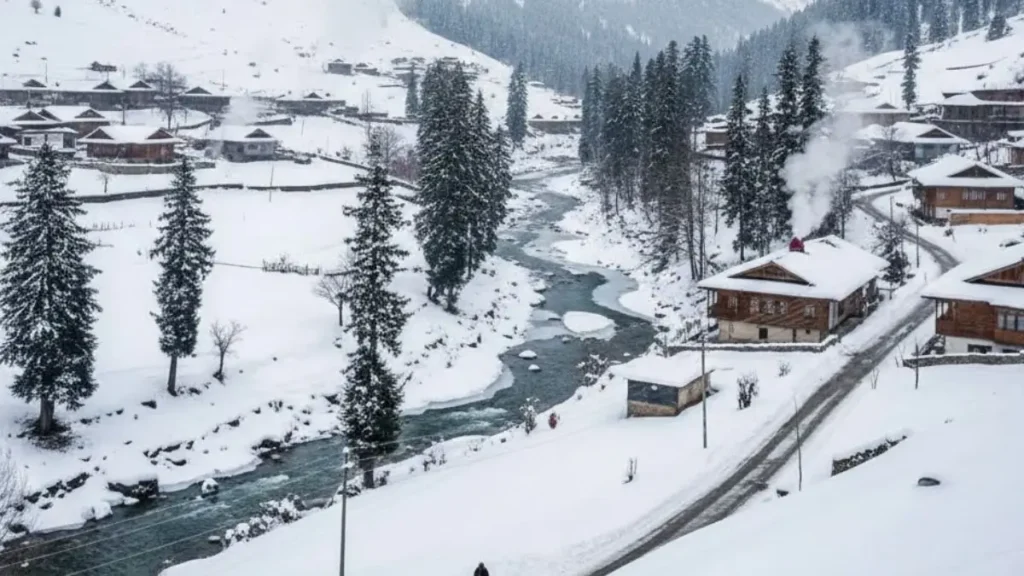
Chillai Kalan Kashmir Winter has begun, bringing snowfall in higher altitudes and rain in plains. Know important dates, weather advisories, and effects on tourism and agriculture.
Chillai Kalan Begins: Kashmir Braces for Winter Precipitation
Introduction to Chillai Kalan and the Winter Onset
Kashmir has officially entered Chillai Kalan, the most severe and intense 40-day winter period of the year, starting on 21st December and set to continue till late January. This phase marks the peak of winter in the region, where temperatures plunge well below freezing levels, and the valley braces for persistent rain in the plains and snowfall at higher altitudes. The onset of this period brings not only extreme cold but also widespread weather events that affect daily life, transportation, ecology, and local economies.
Chillai Kalan arises from traditional climatic patterns shaped by the Himalayan geography, western disturbances, and seasonal colder air masses. As the region prepares for this frigid period, meteorological departments and local authorities have issued advisories for residents and travelers due to increased risks of road blockages, avalanches, and power disruptions.
Definition and Meaning of Chillai Kalan
Chillai Kalan is a centuries-old term derived from local vernacular, translating to the “major cold” or “great cold” period. It represents the harshest winter stretch in the Kashmir Valley, characterised by prolonged sub-zero temperatures, heavy snowfall, and icy winds. During this phase, water bodies often partially freeze and snow accumulates in both plains and hills. Traditionally, Chillai Kalan is followed by two milder winter phases — Chillai Khurd (small cold) and Chillai Bacha (baby cold).
This period is not just a meteorological phase but also a socio-cultural marker affecting how local communities adapt their routines, lifestyle, and economic activities to cope with extreme cold.
Weather Forecast and Official Advisories
According to the India Meteorological Department (IMD), Kashmir is likely to experience moderate to heavy snowfall in upper reaches such as Gulmarg and Sonamarg, while the plains including Srinagar may witness persistent rainfall. This shift in weather conditions comes as a relief after a prolonged dry spell lasting over two months.
Authorities in high-altitude districts like Baramulla, Kupwara, and Bandipora have issued safety advisories recommending people avoid unnecessary travels during peak snowfall, due to dangerous conditions such as avalanches, slippery roads, and potential power disruptions.
Additionally, contingency plans have been activated for snow clearance, healthcare services, and emergency relief operations to ensure the safety of residents and tourists during this intense winter phase.
Relief After a Prolonged Dry Spell
The expected snowfall and rain during Chillai Kalan come as a welcome change after a dry winter onset. The valley had faced a lack of precipitation, which contributed to a build-up of suspended particulate matter, leading to poor air quality and a rise in respiratory ailments among residents. The arrival of rain and snow is anticipated to clear the atmosphere, wash away pollutants, and provide temporary relief to vulnerable populations.
In addition to improving air quality, the fresh precipitation is essential for ecological balance, as snow and rain replenish water bodies that are vital for sustaining rivers and irrigation systems once warmer months return.
Impact on Water Resources and Local Economy
Chillai Kalan plays a crucial role in water resource management across the Kashmir region. Snowfall during this period replenishes glaciers, snowpacks, reservoirs, and streams. The gradual melting of snow in spring and summer ensures a steady supply of water for agricultural needs, hydropower generation, and drinking water systems.
However, this season’s delayed snowfall has raised concerns among officials, as insufficient snow levels could lead to water stress in subsequent months, affecting farmers, orchardists, and even tourism operators who depend on consistent winter weather for business continuity.
Furthermore, winter tourism in popular destinations like Gulmarg and Sonamarg is closely tied to fresh snow. Adequate snowfall enhances skiing, adventure tourism, and hotel bookings, thereby boosting local economies especially during peak holiday seasons.
Challenges and Safety Concerns During Chillai Kalan
Despite its benefits, Chillai Kalan poses multiple challenges. The sharp drop in temperature increases risks like freezing of water pipelines, power line stress, and hazardous travel conditions. Dense fog and icy roads reduce visibility, leading to frequent traffic disruptions. Residents are advised to prepare for extended cold waves and maintain necessary safety measures.
Health services, road safety departments, and disaster management authorities remain vigilant throughout this period to mitigate adverse impacts and ensure well-being of locals and visitors alike.

Why This News is Important for Government Exam Aspirants
Relevance in Geography and Environment
Understanding Chillai Kalan is essential for questions related to Indian climatic phenomena, monsoon and winter patterns, and regional weather cycles — common topics in Geography and Environment sections of competitive exams like UPSC, SSC, and Banking. Knowledge of how winter phases impact health, air quality, water resources, tourism, and agriculture directly links to environmental and economic studies.
Connection to Disaster Management & Public Safety
This news highlights administrative preparedness, weather advisories, and risk mitigation — topics relevant for General Studies Papers in civil services and police examinations. Candidates should note how authorities coordinate with meteorological departments and local bodies during extreme cold spells to protect public safety.
Significance for Current Affairs & General Awareness
Current affairs are integral to banking, railways, defence, and teaching exams, where questions often target recent and impactful events. Students should remember key dates, phases, and implications of Chillai Kalan, as it reflects climate trends and government response mechanisms.
Historical Context: Chillai Kalan in Kashmir’s Winter Tradition
Origin and Meaning
The term Chillai Kalan originates from traditional Kashmiri and Persian influences, representing the intense cold period in the Himalayan region lasting 40 days from December 21 to January 30/31 every year. This period is followed by Chillai Khurd (20 days) and Chillai Bacha (10 days), forming a distinct climatic calendar observed by local communities for centuries.
Role in Kashmir’s Ecology
Historically, Chillai Kalan has been central to Kashmir’s hydrological cycle. Consistent snowfall during this period ensured replenishment of glaciers, rivers, lakes, and groundwater sources — all vital for agriculture, drinking water, and hydropower. Seasonal snowmelt traditionally supported irrigation and water security in the warmer months.
Cultural and Economic Importance
Winter traditions such as kangri usage, community preparation of food, and adaptive clothing emerged from centuries of coping with this severe cold. Additionally, winter tourism, especially skiing in Gulmarg and Sonamarg, evolved as a major economic activity, drawing visitors during this time. Recent patterns of erratic snowfall due to climate change have brought new challenges to these age-old traditions.
Contemporary Changes and Climate Impact
While Chillai Kalan remains a fixed calendar event, modern climate variability has influenced snowfall intensity and timing. The recent delayed precipitation and extended dry spells highlight emerging climatic shifts that could reshape water availability, agriculture, and local livelihoods.
Key Takeaways from “Chillai Kalan Begins: Kashmir Braces for Winter Precipitation”
| Sr. No. | Key Takeaway |
|---|---|
| 1 | Chillai Kalan is a 40-day period of harsh winter in Kashmir from Dec 21 to Jan end. |
| 2 | It causes heavy snowfall in higher reaches and rain in plains. |
| 3 | Snowfall helps improve air quality and replenish water resources. |
| 4 | Authorities issue advisories due to risks like avalanches and travel disruptions. |
| 5 | Winter tourism and agriculture are significantly affected by snow patterns. |
FAQs: Frequently Asked Questions
1. What is Chillai Kalan?
Chillai Kalan is the 40-day harshest winter period in Kashmir, starting from 21st December to late January, marked by extremely low temperatures, snowfall in higher altitudes, and rainfall in plains.
2. Why is Chillai Kalan significant?
It plays a crucial role in water resource management, replenishing glaciers, rivers, and reservoirs. It also impacts agriculture, tourism, and local livelihoods.
3. What are the other winter phases after Chillai Kalan?
Following Chillai Kalan, there are Chillai Khurd (20 days) and Chillai Bacha (10 days), representing milder winter periods.
4. How does Chillai Kalan affect daily life and safety?
The extreme cold can cause road blockages, avalanches, icy roads, and power disruptions. Residents and travelers are advised to take precautions.
5. What impact does Chillai Kalan have on tourism in Kashmir?
It boosts winter tourism, especially in ski destinations like Gulmarg and Sonamarg, attracting tourists for snow-based activities and adventure sports.
6. How does Chillai Kalan influence climate and environment?
Snowfall and rainfall during this period help improve air quality, maintain ecological balance, and replenish water bodies essential for agriculture and drinking water.
7. Which government departments are involved during Chillai Kalan?
The India Meteorological Department (IMD), Disaster Management, Road Safety, and local administration coordinate advisories and safety measures.
8. Has climate change affected Chillai Kalan?
Yes, erratic snowfall and delayed precipitation due to climate change impact water availability, agriculture, and traditional winter activities.
9. What is the local meaning of Chillai Kalan?
Derived from Kashmiri language, it translates to “major cold” or “great cold”, signifying the peak of winter.
10. How can students prepare for exams using this news?
Students should focus on dates, duration, significance, ecological and administrative impacts, as these are common in geography, environment, and current affairs questions for competitive exams.
Some Important Current Affairs Links

