
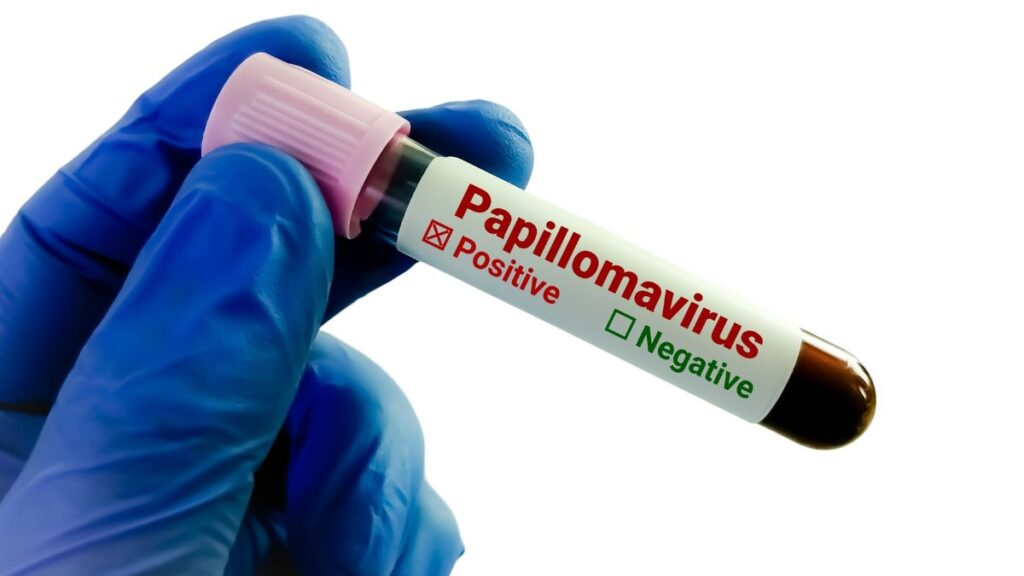
Indigenous HPV test validation by AIIMS and ICMR marks a major breakthrough in cervical cancer screening India. Learn its significance, benefits, validated tests, and exam-relevant facts for UPSC, SSC, Banking, Railways, Defence, and State PSC exams.
Introduction to the Indigenous HPV Test
India has achieved a significant milestone in healthcare and medical diagnostics with the successful validation of an indigenous Human Papillomavirus (HPV) test by researchers from the All India Institute of Medical Sciences (AIIMS), the Indian Council of Medical Research (ICMR), and international partners. The development is expected to strengthen cervical cancer screening across the country by providing an affordable and reliable testing solution.
What is HPV and Why is it Important?
Human Papillomavirus (HPV) is a group of viruses that can cause infections in different parts of the body. Certain high-risk HPV strains are responsible for the majority of cervical cancer cases among women. Persistent HPV infection is considered the primary cause of cervical cancer, making early detection critical for prevention and treatment.
According to medical experts, cervical cancer remains one of the most common cancers affecting women in India. Regular screening and vaccination are considered the most effective strategies for reducing disease burden.
Validation of the Indigenous HPV Test
The newly validated HPV test has been developed and assessed through a collaborative effort involving AIIMS New Delhi, various ICMR institutions, and the International Agency for Research on Cancer (IARC) of the World Health Organization (WHO). The validation process confirmed that the indigenous test meets international quality standards for cervical cancer screening.
The achievement is particularly significant because India has traditionally relied on imported HPV testing technologies, which are often expensive and difficult to deploy on a large scale. The indigenous alternative is expected to make screening more accessible and cost-effective.
Multi-Centre Clinical Evaluation
The validation process originated from a multi-centre trial launched by AIIMS and ICMR to evaluate three Indian-developed HPV tests. The study involved institutions such as AIIMS, the National Institute of Cancer Prevention Research (Noida), and the National Institute for Research in Reproductive and Child Health (Mumbai). The objective was to ensure that the tests complied with internationally accepted standards before their integration into national screening programmes.
Indigenous Tests Validated
According to the latest ICMR Annual Report, three Indian-made cervical cancer screening tests have been validated:
- HPV-Q (Genes2Me)
- PathoDetect (Mylab)
- Truenat HPV-HR (Molbio)
The validation demonstrates India’s growing capability in developing advanced healthcare diagnostics under the vision of Atmanirbhar Bharat (Self-Reliant India).
Benefits for Public Health
The indigenous HPV test offers several advantages:
Affordable Screening
Lower testing costs can help expand cervical cancer screening to millions of women, particularly in rural and underserved regions.
Early Detection
Timely identification of high-risk HPV infections enables early intervention and treatment, reducing cancer-related mortality.
Support for National Programmes
The test can be integrated into India’s National Cancer Screening Programme, improving population-level disease surveillance and prevention.
Strengthening Women’s Healthcare
The initiative aligns with broader national efforts to improve women’s health outcomes through preventive healthcare services and increased access to diagnostic tools.
Link with India’s HPV Vaccination Campaign
The validation comes at a time when India is expanding HPV vaccination efforts. Public health experts emphasize that vaccination and regular screening together provide the most effective strategy for eliminating cervical cancer as a public health problem. Women above 30 years are particularly encouraged to undergo periodic screening.
Significance for Competitive Examinations
This development is important for UPSC, State PSC, SSC, Banking, Railways, Defence, Police, and Teaching examinations because it highlights:
- Advances in indigenous healthcare technology.
- Contributions of AIIMS and ICMR to public health research.
- Women’s health and cancer prevention initiatives.
- Atmanirbhar Bharat in medical diagnostics.
- India’s efforts toward achieving global health goals.
Why This News is Important
Strengthening Women’s Health in India
The validation of an indigenous HPV test represents a major step toward improving women’s healthcare in India. Cervical cancer remains a leading cause of cancer-related deaths among women, especially in low-resource settings. Affordable screening can significantly reduce disease burden through early diagnosis.
Promoting Atmanirbhar Bharat
The development supports India’s objective of becoming self-reliant in critical healthcare technologies. Instead of depending on imported diagnostic kits, India now possesses validated domestic alternatives capable of meeting international standards.
Supporting National Cancer Control Efforts
The indigenous HPV test can be incorporated into national screening programmes, helping identify high-risk cases earlier and enabling timely treatment. This can contribute significantly to reducing cervical cancer incidence and mortality.
Important for Government Exam Preparation
Questions related to health initiatives, ICMR, AIIMS, women’s health programmes, biotechnology innovations, and public health policy frequently appear in competitive examinations. This development combines all these themes, making it highly relevant for aspirants.
Historical Context
Cervical Cancer Burden in India
India has historically accounted for a significant share of global cervical cancer cases. Limited access to screening and awareness has contributed to late diagnosis and higher mortality rates.
Traditional Screening Methods
For many years, screening under public health programmes primarily relied on Visual Inspection with Acetic Acid (VIA) and Pap smear tests. While useful, these methods have limitations regarding sensitivity and accuracy.
WHO’s Cervical Cancer Elimination Strategy
The World Health Organization has called for a global strategy based on three pillars:
- HPV vaccination.
- Cervical cancer screening.
- Timely treatment of detected cases.
India’s validation of indigenous HPV tests directly supports the screening pillar of this strategy.
Beginning of the Validation Initiative
In January 2024, AIIMS and ICMR initiated a multi-centre evaluation of three indigenous HPV tests with support from WHO-IARC and BIRAC. The successful validation announced later represents the culmination of this important research effort.
Key Takeaways from Indigenous HPV Test Validated by AIIMS and ICMR
| S. No. | Key Takeaway |
|---|---|
| 1 | India has validated its first indigenous HPV tests for cervical cancer screening. |
| 2 | The validation was conducted by AIIMS, ICMR, and WHO-IARC collaborators. |
| 3 | The tests meet international quality standards for cervical cancer detection. |
| 4 | Validated tests include HPV-Q, PathoDetect, and Truenat HPV-HR. |
| 5 | The initiative supports affordable screening, women’s health, and Atmanirbhar Bharat objectives. |
Frequently Asked Questions (FAQs)
1. What is HPV?
HPV (Human Papillomavirus) is a group of viruses that can infect the skin and mucous membranes. Certain high-risk HPV strains are the primary cause of cervical cancer.
2. Why is the indigenous HPV test important for India?
The indigenous HPV test is important because it provides an affordable, reliable, and locally developed screening solution for cervical cancer, reducing dependence on imported diagnostic kits.
3. Which organizations validated the indigenous HPV test?
The validation was carried out by AIIMS, ICMR, and international collaborators including the International Agency for Research on Cancer (IARC), a specialized cancer research agency of the WHO.
4. What is cervical cancer?
Cervical cancer is a type of cancer that develops in the cells of the cervix and is primarily caused by persistent infection with high-risk HPV strains.
5. Which indigenous HPV tests were validated?
The validated indigenous HPV tests include HPV-Q (Genes2Me), PathoDetect (Mylab), and Truenat HPV-HR (Molbio).
6. What is the role of ICMR in India’s healthcare system?
The Indian Council of Medical Research (ICMR) is India’s apex body for biomedical research and plays a crucial role in developing public health policies and medical innovations.
7. What is AIIMS?
The All India Institute of Medical Sciences (AIIMS) is India’s premier medical education and research institution established by an Act of Parliament in 1956.
8. Why is cervical cancer screening important?
Screening helps detect HPV infections and precancerous changes early, enabling timely treatment and reducing mortality rates.
9. What is WHO’s strategy for eliminating cervical cancer?
WHO’s strategy focuses on HPV vaccination, regular screening, and timely treatment of detected cases.
10. Why is this news important for competitive examinations?
This topic is relevant for UPSC, State PSCs, SSC, Banking, Railways, Defence, Police, and Teaching exams because it covers health policy, biotechnology, women’s health, ICMR, AIIMS, and Atmanirbhar Bharat initiatives.
Some Important Current Affairs Links

