

Centre Allocates Rs. 3,027 Crore for Disaster Mitigation
The Indian government has approved an allocation of Rs. 3,027 crore for disaster mitigation, marking a significant step towards enhancing the country’s preparedness for natural calamities. This funding will aid in strengthening disaster management mechanisms, including both preventive measures and post-disaster relief. The decision comes in light of India’s increasing vulnerability to natural disasters like floods, earthquakes, and cyclones.
Purpose of the Allocation
The Rs. 3,027 crore allocation is aimed at improving India’s capacity to handle disasters effectively. This fund will be used to support various initiatives under the National Disaster Mitigation Fund (NDMF). The funds will focus on strengthening infrastructure, building disaster-resilient communities, and supporting state and local bodies in disaster preparedness. The overall objective is to reduce the impact of disasters on human lives, economic stability, and the environment.
Impact on National Disaster Management
The fund is expected to boost national disaster management efforts by facilitating the development of mitigation strategies. One of the key areas of focus will be enhancing infrastructure resilience, including buildings, roads, and communication systems. Additionally, the fund will be used to set up early warning systems, improve forecasting technologies, and train personnel in disaster management. This investment will help mitigate the effects of disasters, ensuring a quicker and more effective response.
Why This News is Important
Enhancement of Disaster Preparedness
This allocation is pivotal in strengthening India’s preparedness for future disasters. The country has faced frequent natural calamities in the past, and the current initiative will equip local authorities and communities to better manage and mitigate the effects of such events.
Sustainability and Economic Resilience
By investing in disaster mitigation, the government aims to safeguard economic and human resources. A well-prepared country is better positioned to reduce the long-term economic costs associated with natural disasters. This funding will not only save lives but also protect vital infrastructure, which is crucial for the economy.
Support to Vulnerable States
The allocation specifically targets regions that are most vulnerable to disasters. States like Odisha, Kerala, Assam, and West Bengal, which are frequently affected by floods, cyclones, and other disasters, will benefit significantly from the fund. The initiative will also support the development of community-based disaster management practices.
Role of Technology and Innovation
With a strong focus on modernizing disaster forecasting and warning systems, the government aims to reduce human and economic loss. The implementation of advanced technologies such as artificial intelligence and data analytics will improve disaster prediction and risk assessments, allowing for timely evacuations and responses.
Historical Context
India’s Vulnerability to Natural Disasters
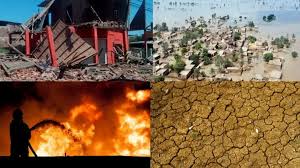
India, with its diverse geography and climate conditions, is prone to a wide range of natural disasters. The country has faced catastrophic events, including devastating floods, cyclones, earthquakes, and droughts. Over the years, the government has been taking various steps to enhance disaster management capabilities.
One of the significant initiatives was the establishment of the National Disaster Management Authority (NDMA) in 2005, which is tasked with coordinating disaster mitigation efforts across the country. In 2010, India also set up the National Disaster Mitigation Fund to finance projects aimed at reducing the risk of disasters. Despite these efforts, the frequency and intensity of natural disasters in India have increased due to climate change, necessitating further investments in disaster mitigation.
Previous Allocations and Steps Taken
In the past, the Indian government has allocated funds to improve disaster response and recovery, but this new allocation focuses more on the long-term mitigation and prevention strategies. The government’s proactive approach aims to reduce the loss of life and property in future disaster events by investing in technology, infrastructure, and local community resilience.
5 Key Takeaways from “Centre Allocates Rs. 3,027 Crore for Disaster Mitigation”
| S. No. | Key Takeaway |
|---|---|
| 1 | The Indian government has allocated Rs. 3,027 crore for disaster mitigation. |
| 2 | The fund will strengthen infrastructure, enhance early warning systems, and build community resilience. |
| 3 | This allocation is a part of the National Disaster Mitigation Fund (NDMF). |
| 4 | Vulnerable states like Odisha, Kerala, and Assam will benefit from the initiative. |
| 5 | The focus is on technology integration, including AI and data analytics for disaster prediction and management. |
Important FAQs for Students from this News
- What is the purpose of the Rs. 3,027 crore allocation for disaster mitigation?
- The Rs. 3,027 crore allocation is intended to strengthen India’s disaster preparedness and response systems. It will be used for infrastructure resilience, early warning systems, community-based disaster management, and improving forecasting technologies.
- How will the funding be utilized in the disaster mitigation efforts?
- The funding will be used to support projects under the National Disaster Mitigation Fund (NDMF), focusing on building disaster-resilient infrastructure, enhancing forecasting and early warning systems, and training personnel involved in disaster management.
- Which states will benefit most from this disaster mitigation fund?
- Vulnerable states like Odisha, Kerala, Assam, and West Bengal will benefit significantly from this fund, as they are frequently impacted by floods, cyclones, and other natural disasters.
- How does this allocation differ from previous disaster-related funding?
- Unlike previous funding focused mainly on post-disaster relief, this new allocation prioritizes long-term disaster mitigation measures, such as preventive infrastructure and advanced forecasting systems.
- What role will technology play in the implementation of the disaster mitigation measures?
- Technology, including AI and data analytics, will be integrated into disaster prediction, forecasting, and risk management. These innovations will improve the effectiveness of early warnings and enable more timely evacuations and responses.
Some Important Current Affairs Links

