
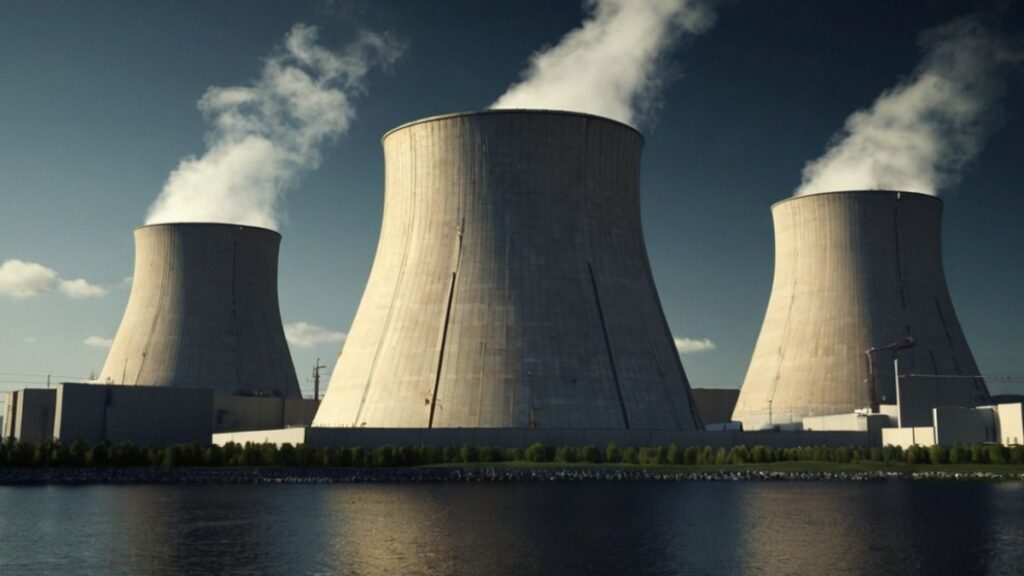
India power sector growth reaches a milestone as the country becomes the third-largest power generator globally, with clean energy leading 83% of 2024 investment.
🇮🇳 India Emerges as the Third-Largest Power Generator Globally: IEA Report
Rising Demand Fuels Capacity Expansion
India has witnessed a surging demand for electricity—stemming from rapid urbanisation, industrial growth, and increasing ownership of appliances like air conditioners. Over the past five years (2019–2024), India secured the third-largest growth in power generation capacity worldwide, trailing only China and the USA
All-Source Growth with Renewable Domination
Expansion has occurred across coal, hydroelectric, nuclear, and renewables. Notably, solar PV projects accounted for over half of India’s non-fossil investment, and in 2024 clean energy attracted 83% of total power-sector investment
Financing & Policy Support
India became the largest recipient of development finance for clean energy in 2024 (~USD 2.4 billion) Foreign direct investment (FDI) reached USD 5 billion in 2023—nearly double pre-Covid levels. Policies now permit 100% FDI in electricity generation and transmission (excluding nuclear)
Challenges & Portfolio Investment—A Mixed Picture
Foreign portfolio investment has decreased in recent years, due to macroeconomic uncertainty and structural risks in the power sector. Nevertheless, the long‑term outlook remains positive
Stepping Stone in Global Clean Energy Transition
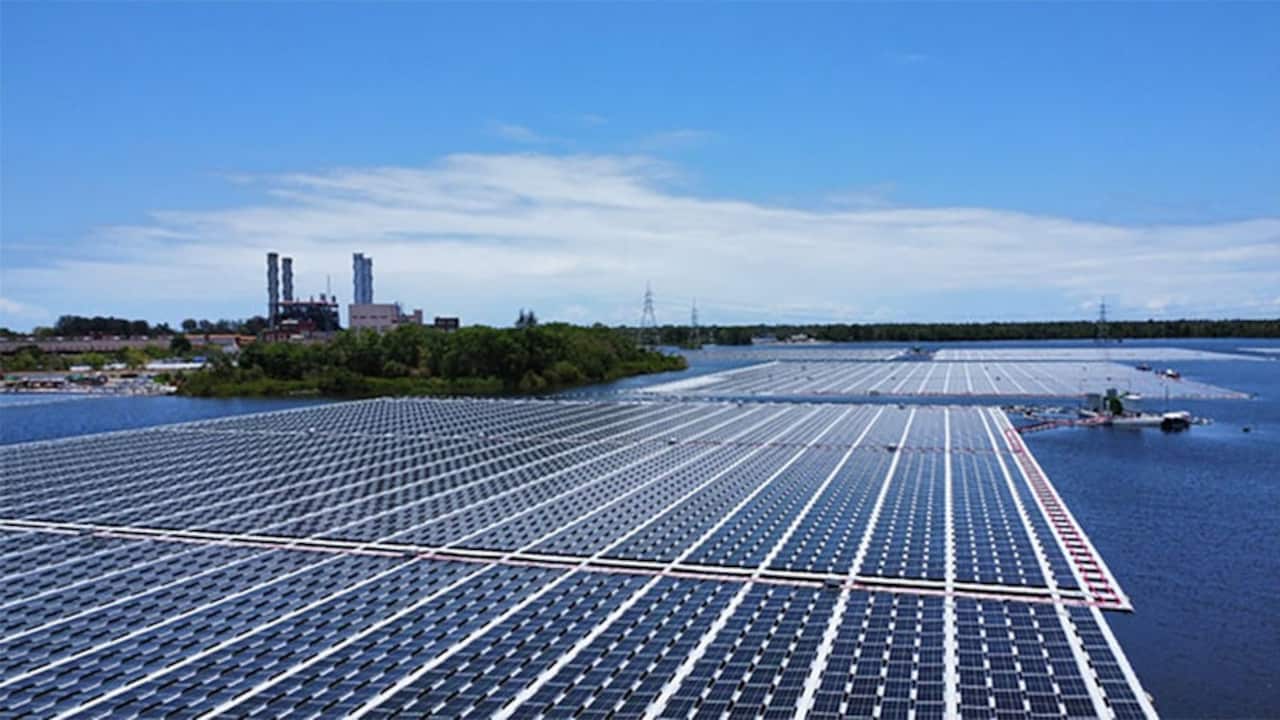
India’s surge in renewables not only addresses domestic demand but also enhances its global energy-security profile. Wind and solar now place India as the third-largest global generator of electricity from these sources, overtaking Germany
Why This News Is Important
Energy Security & Economic Growth
Rapid power‑capacity growth is critical to India’s economic ambitions—enabling industry, infrastructure, and rural electrification. By leveraging diverse generation sources, the nation strengthens its energy‑security framework.
Strategic Shift Toward Sustainability
The dominance of clean-energy financing underscores India’s transition from coal-centric to a more sustainable energy mix. For government-exam aspirants, this signals policy alignment with global climate commitments like the Paris Agreement.
Appeal to Investors & Global Partnerships
Rising FDI and DFI inflows reflect international investor confidence. Exam-linked proposals (e.g., defence, railways) increasingly intersect with power‑sector growth, making this phenomenon relevant for subjects like economy, public administration, and GEOGRAPHY in exams like UPSC, SSC, CAPF, and Railway selections.
Historical Context
From Electrification Drive to Renewable Emphasis
Since independence, electrification has underpinned India’s development path. In recent decades, particularly post-2015, India witnessed exponential solar PV growth—from <3GW to over 110 GW by mid-2025
Policy Intervention & FDI Liberalisation
Government initiatives like “Make in India”, solar parks, and open FDI policies accelerated private-sector investment. By 2024, nearly 44% of installed capacity came from non-fossil sources, inching toward the 50% target by 2030
Climate Goals & IEA Recognition
The International Energy Agency’s 2025 World Energy Investment report highlighted India’s clean‑energy investment and global standing in power-capacity expansion
Key Takeaways from “India Emerges as Third‑Largest Power Generator” 📌
| S.No | Key Takeaway |
|---|---|
| 1 | India ranked 3rd globally in power-generation capacity growth during 2019–2024. |
| 2 | Solar PV projects comprised over 50% of non-fossil energy investments in the last five years. |
| 3 | In 2024, 83% of total power‑sector investments in India went into clean energy. |
| 4 | India received USD 2.4 billion in development finance in 2024—making it the top global recipient. |
| 5 | FDI reached USD 5 billion in 2023, supported by 100% FDI policy in electricity generation (excluding nuclear). |
FAQs: Frequently Asked Questions
Q1. What is the significance of India becoming the third-largest power generator globally?
India’s rise in global power generation rankings reflects its growing energy capacity, which supports economic development, industrialization, and urban expansion. It also indicates its strong move toward clean energy.
Q2. Which energy sources contributed the most to India’s recent capacity expansion?
The expansion occurred across all sources, but solar photovoltaic (PV) projects led the way, contributing over 50% of India’s non-fossil energy investments.
Q3. What percentage of India’s total power sector investment in 2024 was directed toward clean energy?
In 2024, 83% of India’s total power sector investment was in clean energy projects.
Q4. How has foreign investment impacted India’s energy sector?
Foreign direct investment (FDI) in India’s power sector reached USD 5 billion in 2023, nearly doubling pre-COVID levels. India also became the largest recipient of development finance for clean energy in 2024.
Q5. What government policy supports foreign investment in the Indian power sector?
India permits 100% FDI in electricity generation, transmission, and distribution (excluding nuclear power), which has significantly attracted international investment.
Some Important Current Affairs Links

