
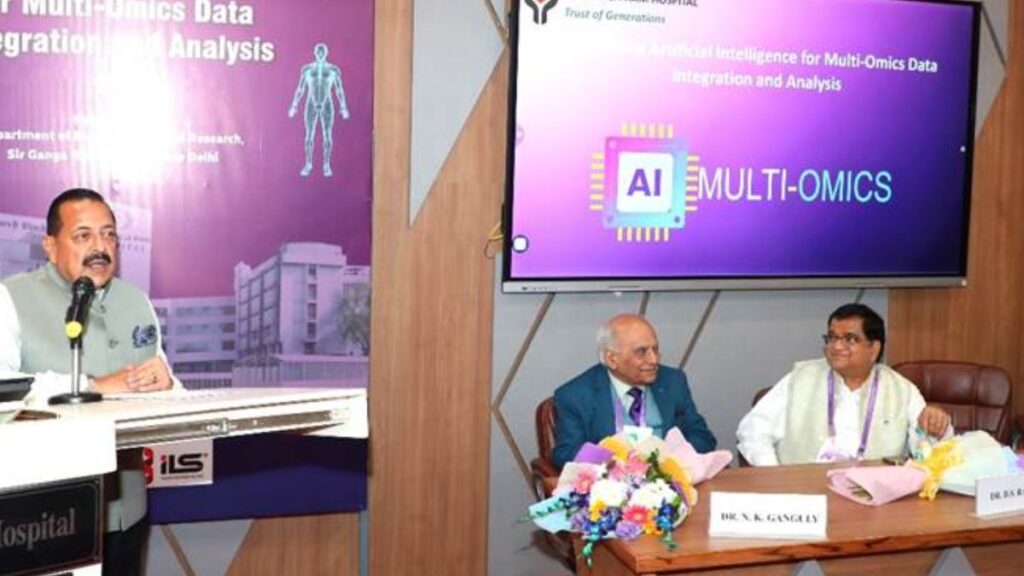
India indigenous antibiotic Nafithromycin combats resistant respiratory infections, while home-grown gene therapy for hemophilia highlights India’s healthcare innovation and self-reliance.
India Develops First Indigenous Antibiotic and Advances Gene Therapy
Introduction: A Milestone in Indian Biotechnology
India has achieved a significant milestone in the field of biotechnology with the development of its first fully indigenous antibiotic, Nafithromycin. This breakthrough, announced on October 21, 2025, marks a pivotal moment in the nation’s scientific landscape. Additionally, India has made remarkable progress in gene therapy, particularly in the treatment of hemophilia, showcasing its growing capabilities in advanced medical research and innovation.
Nafithromycin: India’s First Indigenous Antibiotic
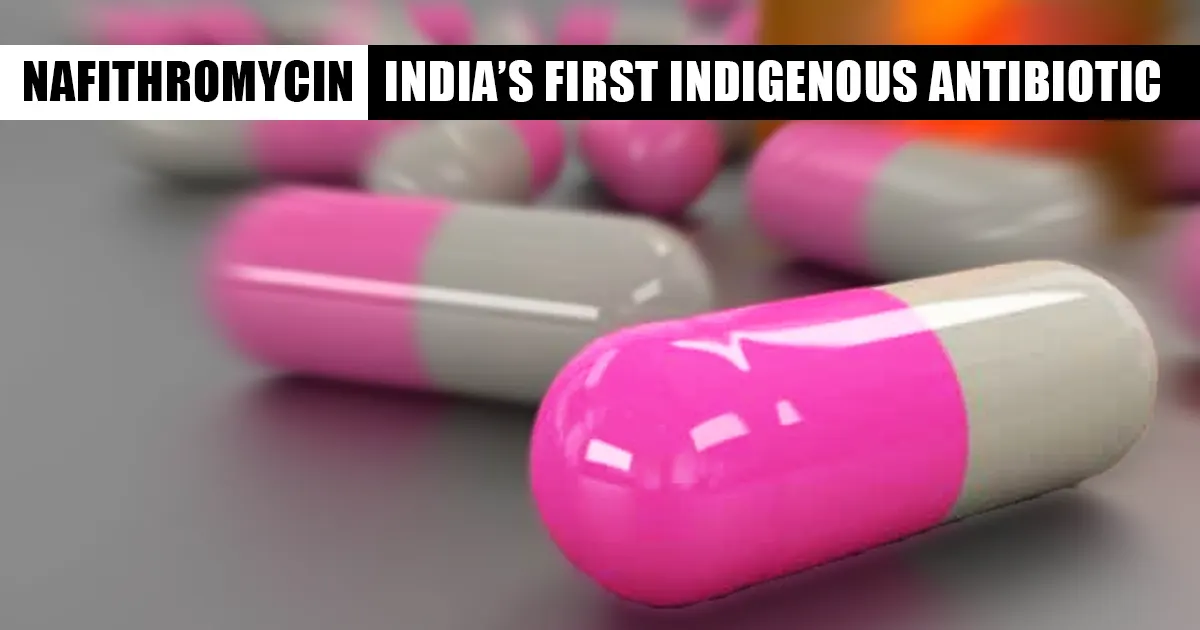
Nafithromycin is a novel antibiotic developed by Indian scientists to combat antimicrobial resistance (AMR), a growing global health concern. This antibiotic is specifically designed to address resistant respiratory infections, offering a new line of defense against pathogens that have become impervious to existing treatments. Its development is a testament to India’s advancing pharmaceutical research and its commitment to self-reliance in critical healthcare domains.
Advancements in Gene Therapy for Hemophilia
In another significant achievement, India has made substantial progress in gene therapy, particularly for the treatment of hemophilia. The country has developed a home-grown gene therapy that offers a potential cure for this genetic disorder, which impairs the blood’s ability to clot. This advancement not only highlights India’s capabilities in genetic research but also promises to make life-saving treatments more accessible and affordable for its population.
Why This News Is Important
1. Strengthening India’s Position in Global Biotechnology
The development of Nafithromycin and advancements in gene therapy underscore India’s growing influence in the global biotechnology arena. These achievements demonstrate the country’s capacity to innovate and contribute significantly to addressing global health challenges.
2. Enhancing Healthcare Accessibility
By developing indigenous treatments, India aims to reduce dependency on foreign pharmaceutical products, thereby making healthcare more accessible and affordable for its citizens. This move aligns with the government’s vision of achieving self-reliance in critical sectors.
3. Promoting Research and Development
These breakthroughs highlight the importance of investing in research and development. They encourage further scientific inquiry and innovation, paving the way for future medical advancements that can benefit not only India but also the global community.
4. Addressing Public Health Concerns
With the rise of antimicrobial resistance and genetic disorders like hemophilia, these developments provide new hope in combating such public health issues. They represent proactive steps toward finding sustainable solutions to pressing health challenges.
5. Inspiring Future Generations
These achievements serve as an inspiration for future generations of scientists and researchers. They demonstrate the impact of dedication and innovation in transforming healthcare and improving lives.
Historical Context
India’s journey in biotechnology has been marked by significant strides in research and development. The establishment of institutions like the Department of Biotechnology (DBT) and the Indian Council of Medical Research (ICMR) has laid a strong foundation for scientific advancements. Over the years, India has made notable progress in various areas, including vaccine development, cancer research, and genetic studies. The development of Nafithromycin and advancements in gene therapy are the latest in a series of innovations that reflect the country’s commitment to advancing healthcare through science and technology.
Key Takeaways from “India Develops First Indigenous Antibiotic and Advances Gene Therapy”
| S.No | Key Takeaway |
|---|---|
| 1 | India has developed its first fully indigenous antibiotic, Nafithromycin. |
| 2 | Nafithromycin targets antimicrobial resistance, particularly in respiratory infections. |
| 3 | India has made significant advancements in gene therapy for hemophilia. |
| 4 | These developments underscore India’s growing capabilities in biotechnology. |
| 5 | The achievements aim to make healthcare more accessible and affordable in India. |
Conclusion
The development of Nafithromycin and advancements in gene therapy signify India’s growing prowess in biotechnology. These achievements not only enhance the nation’s healthcare capabilities but also position India as a key player in addressing global health challenges. As India continues to invest in research and development, it paves the way for a healthier and more self-reliant future.
FAQs: Frequently Asked Questions
1. What is Nafithromycin?
Nafithromycin is India’s first fully indigenous antibiotic developed to combat antimicrobial resistance, especially in respiratory infections.
2. Which diseases can Nafithromycin help treat?
It primarily targets resistant respiratory infections and is also beneficial for patients with chronic conditions like diabetes and cancer who are more vulnerable to infections.
3. What is the significance of India’s advancements in gene therapy?
India has developed home-grown gene therapy for hemophilia, showcasing the country’s growing capabilities in genetic research and advanced medical treatments.
4. How does Nafithromycin contribute to India’s healthcare self-reliance?
By being developed domestically, it reduces dependency on imported antibiotics and makes critical healthcare treatments more accessible and affordable for Indian citizens.
5. Which Indian institutions are involved in biotechnology and medical research?
Key institutions include the Department of Biotechnology (DBT), Indian Council of Medical Research (ICMR), and leading pharmaceutical research organizations across India.
6. Why is antimicrobial resistance (AMR) a concern?
AMR leads to infections becoming resistant to standard treatments, causing longer illnesses, higher medical costs, and increased mortality risks.
7. How does gene therapy for hemophilia work?
Gene therapy introduces functional copies of the defective gene into a patient’s cells to restore normal blood clotting and reduce dependency on regular transfusions.
8. When was Nafithromycin announced?
Nafithromycin was officially announced on October 21, 2025.
9. What is the global importance of India’s biotech achievements?
India’s innovations can help address worldwide health challenges like antibiotic resistance and accessibility to advanced therapies.
10. How can these developments inspire students and researchers?
They showcase India’s potential in cutting-edge scientific research and encourage future scientists to pursue innovations in healthcare.
Some Important Current Affairs Links

