
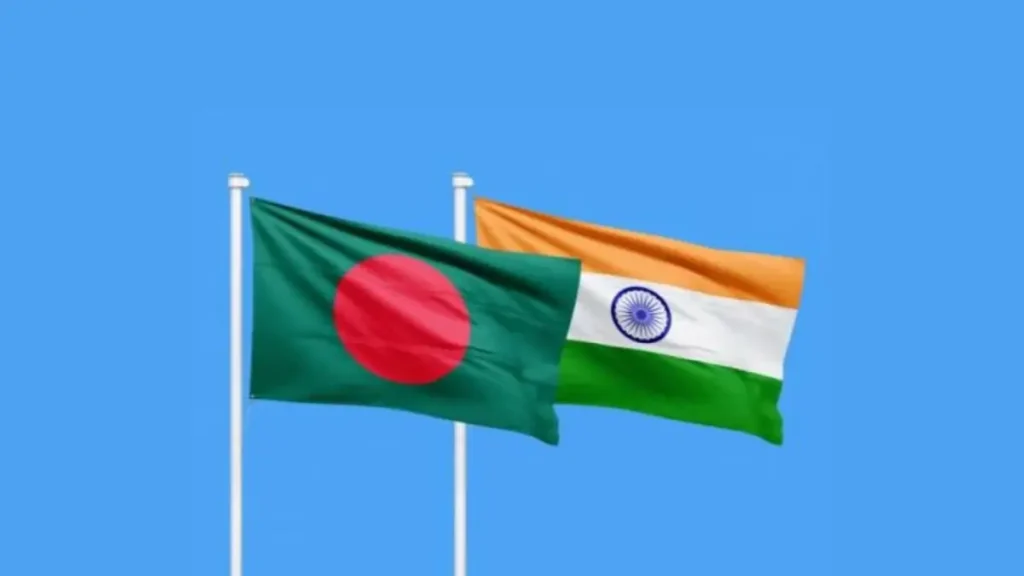
India Bangladesh trade news: India becomes Bangladesh’s second-largest trading partner surpassing the US, strengthening regional ties, economic cooperation, and Neighbourhood First Policy in South Asia.
India Emerges as Bangladesh’s Second-Largest Trading Partner, Surpassing the US
Strengthening Economic Ties Between India and Bangladesh
India has emerged as the second-largest trading partner of Bangladesh, overtaking the United States in a significant shift in South Asian trade relations. This development highlights the growing economic integration between India and Bangladesh and reflects the increasing importance of regional trade partnerships in Asia. According to recent trade reports, China continues to remain Bangladesh’s largest trading partner, while India has now secured the second position through expanding bilateral commerce and cross-border connectivity.
Rapid Growth in Bilateral Trade
Trade between India and Bangladesh has increased rapidly during the last decade. India exports a wide range of goods to Bangladesh, including cotton, food products, automobiles, machinery, chemicals, and petroleum products. On the other hand, Bangladesh exports garments, textiles, leather products, and jute items to India.
Economic experts believe that improved diplomatic relations, better transport infrastructure, and reduced trade barriers have contributed significantly to this growth. Several land ports and integrated check posts along the India-Bangladesh border have improved the movement of goods and reduced transportation costs.
Bangladesh is now one of India’s biggest trading partners in South Asia. India also serves as an important export destination for Bangladeshi products, particularly ready-made garments. The increasing dependence on regional markets has strengthened economic cooperation between the two neighbouring nations.
Role of Connectivity and Regional Cooperation
One of the major reasons behind this trade expansion is the improvement in regional connectivity projects. India and Bangladesh have jointly developed railway lines, inland waterways, road corridors, and port access systems. These projects have made transportation faster and cheaper.
The revival of railway connectivity between the two countries has improved cargo movement. Inland waterways have also become a cost-effective option for transporting bulk goods. In addition, India has allowed Bangladesh access to several northeastern transit routes, strengthening regional commerce.
The implementation of agreements under regional initiatives such as BIMSTEC and BBIN has further promoted economic integration in South Asia. Both nations are also focusing on digital trade, energy cooperation, and border infrastructure development.
Strategic Importance for India
For India, stronger trade relations with Bangladesh are strategically important. Bangladesh acts as a gateway to India’s northeastern states and provides crucial connectivity opportunities. Economic cooperation also strengthens India’s “Neighbourhood First” policy and enhances regional stability.
India’s growing trade engagement with Bangladesh helps counterbalance China’s expanding influence in South Asia. As China remains Bangladesh’s largest trading partner, India is working to deepen its economic presence through investments, infrastructure support, and trade facilitation measures.
The rise in bilateral trade also benefits Indian exporters, especially in sectors such as agriculture, engineering goods, pharmaceuticals, and energy products.
Impact on Bangladesh’s Economy
Bangladesh has benefited from diversified trade partnerships and increasing access to the Indian market. The country’s garment industry, which is one of the largest in the world, receives significant support through regional trade opportunities.
Bangladesh’s economy has shown strong growth in recent years due to exports, manufacturing, and foreign investments. Improved trade relations with India provide additional economic opportunities and help reduce overdependence on Western markets.
The development also reflects the changing global trade landscape where regional economic partnerships are becoming increasingly important.

Why This News is Important
Important for International Relations
This news is highly important for students preparing for government examinations because it highlights changing geopolitical and economic dynamics in South Asia. India becoming Bangladesh’s second-largest trading partner demonstrates the strengthening of bilateral relations between the two neighbouring countries.
Questions related to India’s foreign policy, regional diplomacy, and international trade frequently appear in examinations such as UPSC, SSC, Banking, Railways, Defence, and State PSCs. Understanding India’s trade relations with neighbouring countries is crucial for current affairs preparation.
Significance for Economic Development
The development reflects the growing importance of regional trade in boosting economic growth. Increased trade creates employment opportunities, improves industrial production, and enhances economic cooperation between countries.
For competitive exams, candidates should understand how trade partnerships affect GDP growth, exports, imports, foreign exchange earnings, and regional development. The topic is relevant for economics, international affairs, and general awareness sections.
Strategic Importance in South Asia
The news is also important because it highlights the strategic competition in South Asia, particularly between India and China. While China remains Bangladesh’s largest trading partner, India’s rise to the second position reflects its increasing economic influence in the region.
Such developments are frequently linked to questions on India’s “Neighbourhood First” policy, Act East Policy, BIMSTEC, and BBIN initiatives in government examinations.
Historical Context
India-Bangladesh Relations Since 1971
India and Bangladesh share deep historical, cultural, and economic ties. India played a major role in Bangladesh’s Liberation War in 1971, leading to the creation of Bangladesh as an independent nation.
Since independence, both countries have gradually strengthened bilateral relations through trade agreements, connectivity projects, and diplomatic cooperation.
Growth of Bilateral Trade
Trade relations between India and Bangladesh expanded significantly after the 1990s due to economic liberalisation and regional cooperation initiatives. India became one of Bangladesh’s key suppliers of raw materials, fuel, and industrial goods.
Several bilateral agreements improved border trade and transport connectivity. The reopening of rail links, coastal shipping agreements, and integrated check posts further accelerated trade growth.
Regional Economic Integration
In recent years, South Asian countries have increasingly focused on regional connectivity and economic integration. Organisations such as BIMSTEC and BBIN have promoted cross-border trade and transport cooperation.
Bangladesh’s strategic location has made it an important economic partner for both India and China. As a result, trade competition and regional influence have become major geopolitical factors in South Asia.
Key Takeaways from This News
| S.No. | Key Takeaway |
|---|---|
| 1 | India has become Bangladesh’s second-largest trading partner, surpassing the United States. |
| 2 | China remains Bangladesh’s largest trading partner. |
| 3 | Improved connectivity and regional cooperation boosted India-Bangladesh trade relations. |
| 4 | The development supports India’s “Neighbourhood First” policy and regional influence in South Asia. |
| 5 | The topic is important for exams covering international relations, economy, and current affairs. |
FAQs (Frequently Asked Questions)
1. What is the main highlight of the news?
India has become Bangladesh’s second-largest trading partner, surpassing the United States in bilateral trade ranking.
2. Which country remains Bangladesh’s largest trading partner?
China continues to be Bangladesh’s largest trading partner.
3. What are the major exports from India to Bangladesh?
India mainly exports cotton, petroleum products, machinery, chemicals, automobiles, and food items to Bangladesh.
4. What does this development indicate in international relations?
It indicates strengthening India–Bangladesh relations and growing regional economic integration in South Asia.
5. Which Indian policy is strengthened through this development?
India’s “Neighbourhood First Policy” is significantly reinforced through increasing trade with Bangladesh.
6. Which sectors benefit most from India-Bangladesh trade?
Textiles, agriculture, pharmaceuticals, energy, and manufacturing sectors benefit significantly.
7. Why is Bangladesh important for India strategically?
Bangladesh provides connectivity to India’s northeastern states and acts as a key partner in regional trade and security cooperation.
Some Important Current Affairs Links

