
Introduction
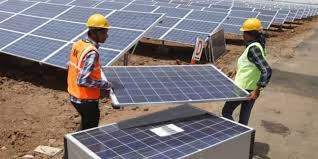
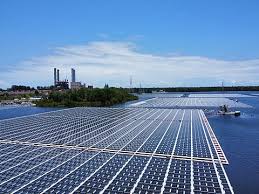
India has reached a significant milestone in its renewable energy journey by achieving 100 GW (gigawatts) of installed solar power capacity. This achievement underscores the country’s commitment to clean energy and sustainability. The expansion of solar power contributes to India’s ambitious renewable energy targets and its commitment to reducing carbon emissions under international climate agreements.
India’s Solar Power Growth: A Landmark Achievement
India’s solar energy sector has witnessed rapid growth over the past decade. From just a few megawatts in 2010, the country has now surpassed 100 GW of installed capacity. This milestone is a crucial step toward achieving India’s target of 500 GW of renewable energy capacity by 2030.
The government has implemented various policies and initiatives, such as the Jawaharlal Nehru National Solar Mission (JNNSM), which aimed to establish India as a global leader in solar energy. The introduction of incentives like Production-Linked Incentive (PLI) schemes and subsidies for solar panel manufacturing has further boosted the sector.
Government Initiatives Boosting Solar Energy
Several initiatives have played a crucial role in India’s solar power expansion:
- Solar Park Scheme: The government has established solar parks across multiple states, encouraging large-scale solar power generation.
- Kisan Urja Suraksha evam Utthaan Mahabhiyan (KUSUM) Scheme: This scheme promotes solar energy use among farmers by providing financial support for solar-powered irrigation pumps.
- Rooftop Solar Program: Aimed at increasing decentralized solar power production through residential and commercial rooftop installations.
- International Solar Alliance (ISA): India, in collaboration with France, launched the ISA to foster solar energy adoption globally, particularly in tropical countries.
Challenges in India’s Solar Power Expansion
Despite remarkable progress, several challenges remain in India’s solar energy sector:
- Land Acquisition Issues: Large-scale solar projects require vast land areas, often leading to disputes.
- Energy Storage Limitations: Efficient battery storage systems are needed to ensure uninterrupted power supply.
- Grid Integration: A robust infrastructure is required to integrate solar energy into the national grid efficiently.
- Financial Constraints: High initial investment costs remain a challenge for small and medium-scale solar projects.
Impact of 100 GW Solar Capacity on India’s Energy Sector
The achievement of 100 GW solar capacity has multiple benefits:
- Reduced Carbon Footprint: Solar energy significantly cuts down greenhouse gas emissions.
- Energy Security: Enhances India’s energy independence by reducing reliance on fossil fuels.
- Job Creation: The solar sector has created thousands of jobs, from manufacturing to installation and maintenance.
- Economic Growth: Boosts India’s economy by attracting foreign investments in the renewable energy sector.
Why This News is Important?
1. India’s Commitment to Renewable Energy
This achievement demonstrates India’s serious commitment to renewable energy and climate goals. With increasing global emphasis on reducing carbon emissions, India’s progress in solar energy strengthens its position in international climate negotiations.
2. Impact on Government Exam Aspirants
For aspirants preparing for government exams like UPSC, SSC, Banking, and Railways, this topic is important for current affairs, environment, and energy-related sections. Questions related to renewable energy targets, policies, and climate change agreements can be expected.
3. Contribution to Sustainable Development Goals (SDGs)
The milestone aligns with SDG 7 (Affordable and Clean Energy) and SDG 13 (Climate Action), highlighting India’s role in global sustainability efforts.
Historical Context: India’s Solar Power Journey
- 2010: The Jawaharlal Nehru National Solar Mission was launched to promote solar energy in India.
- 2015: The government announced a target of 100 GW solar power capacity by 2022 under the National Solar Mission.
- 2017: India’s solar power capacity crossed 20 GW, with rapid project development in states like Rajasthan, Gujarat, and Tamil Nadu.
- 2018: India became the fifth-largest solar power producer in the world.
- 2021: The country achieved 50 GW of installed solar capacity.
- 2024: India crosses the 100 GW milestone, reaffirming its leadership in renewable energy.
Key Takeaways from “India Achieves 100 GW Solar Power Capacity”
| S.No | Key Takeaway |
|---|---|
| 1. | India has reached 100 GW of installed solar power capacity, a major milestone in renewable energy. |
| 2. | The government has implemented various schemes, including the National Solar Mission and PLI schemes, to promote solar energy. |
| 3. | Challenges such as land acquisition, energy storage, and financial constraints remain in the sector. |
| 4. | Achieving this milestone strengthens India’s commitment to climate change goals and sustainable development. |
| 5. | This news is crucial for government exam aspirants as it relates to renewable energy policies, environmental issues, and economic growth. |
Important FAQs for Students from this News
1. What is India’s current installed solar power capacity?
As of 2024, India has achieved 100 GW of installed solar power capacity.
2. What is India’s renewable energy target for 2030?
India aims to achieve 500 GW of renewable energy capacity by 2030, with a significant contribution from solar energy.
3. Which government schemes have contributed to India’s solar energy growth?
Key schemes include:
- Jawaharlal Nehru National Solar Mission (JNNSM)
- Kisan Urja Suraksha evam Utthaan Mahabhiyan (KUSUM)
- Solar Park Scheme
- Rooftop Solar Program
- Production-Linked Incentive (PLI) for Solar Manufacturing
4. What are the major challenges in India’s solar power sector?
Challenges include land acquisition issues, energy storage limitations, grid integration, and high financial investment.
5. What is the International Solar Alliance (ISA)?
The ISA is an initiative launched by India and France to promote solar energy adoption worldwide, especially in tropical countries.
Some Important Current Affairs Links

