
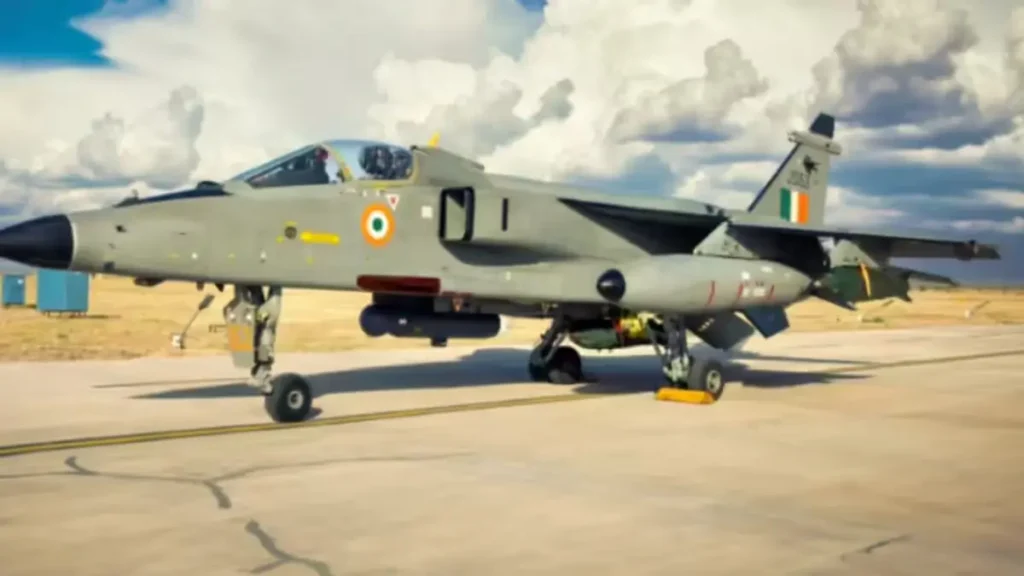
IAF Jaguar fighter jets acquisition from the UK highlights India’s efforts to sustain its aging Jaguar fleet. Learn key facts, historical background, defense significance, and exam-focused insights for UPSC, SSC, CDS, AFCAT, Banking, Railway, and State PSC exams.
Introduction: A Strategic Move to Maintain Combat Readiness
The Indian Air Force (IAF) has decided to acquire nine retired SEPECAT Jaguar fighter aircraft from the United Kingdom. This move is not intended to add new combat aircraft to the fleet but to obtain spare parts and reusable components required for maintaining India’s existing Jaguar squadrons. The decision comes at a time when the IAF is facing challenges related to an aging fighter fleet and a shortage of operational squadrons.
Why India Needs Retired Jaguar Aircraft
The Jaguar fighter aircraft has served as one of the IAF’s primary deep-penetration strike aircraft for several decades. Since the aircraft is no longer manufactured and most countries have already retired their Jaguar fleets, obtaining spare parts has become increasingly difficult. The retired aircraft from the UK will be dismantled and used for “cannibalization,” a process through which valuable components and sub-assemblies are extracted and reused in operational aircraft.
Current Status of the Jaguar Fleet
India is currently the only country in the world operating the SEPECAT Jaguar aircraft. The IAF maintains approximately 115–120 Jaguar aircraft spread across six squadrons. Many of these aircraft have undergone DARIN-III upgrades, which include modern avionics, navigation systems, and improved combat capabilities. The upgraded aircraft are expected to remain operational until around 2030–32.
Squadron Shortage Remains a Major Concern
The acquisition comes amid concerns over declining squadron strength in the IAF. Against a sanctioned strength of 42 fighter squadrons, the IAF currently operates only about 29 squadrons. This shortfall has compelled the Air Force to maximize the operational life of existing aircraft while awaiting induction of newer platforms such as the Tejas Mk-1A and future indigenous fighter programs.
Previous International Acquisitions for Jaguar Maintenance
This is not the first time India has acquired retired Jaguars for spare parts. Earlier, India sourced retired Jaguar aircraft from France, Oman, and the UK. France reportedly supplied 31 retired airframes, while Oman also provided more than 20 aircraft. These acquisitions have played a crucial role in extending the service life of India’s Jaguar fleet.
Significance for India’s Defence Preparedness
The Jaguar remains a vital component of India’s strike capability despite its age. These aircraft are capable of carrying precision-guided munitions and conducting deep strike missions against enemy targets. By securing spare parts from retired foreign fleets, India ensures that its existing aircraft remain combat-ready until suitable replacements become available. This decision reflects a pragmatic approach to defense logistics and resource management.
Future of the Jaguar Fleet
While the Jaguar continues to play an important role, the IAF plans to gradually phase out older variants in the coming years. Modernization efforts, including DARIN-III upgrades and integration of advanced systems, are intended to bridge the capability gap until next-generation aircraft enter service. The acquisition of retired UK Jaguars will help maintain operational effectiveness during this transition period.
Why This News is Important
Important for Defence and Security Examinations
This development is highly relevant for competitive examinations because it highlights India’s efforts to maintain military preparedness despite challenges related to aging equipment. Questions related to defense acquisitions, military modernization, and air power frequently appear in UPSC, State PSC, CDS, AFCAT, CAPF, SSC, and other government examinations.
Reflects India’s Defence Logistics Strategy
The acquisition demonstrates how armed forces manage legacy platforms through strategic procurement of spare parts. Instead of retiring aircraft immediately, countries often extend service life through upgrades and maintenance support. Understanding such strategies helps candidates grasp practical aspects of defense management and national security policy.
Highlights Squadron Strength Challenges
The news also draws attention to the issue of fighter squadron shortages in the IAF. Maintaining adequate air power is essential for India’s defense posture given its strategic environment. Examination bodies often ask questions related to force modernization, indigenous defense production, and military preparedness.
Relevant for Current Affairs and International Relations
The deal also reflects defense cooperation between India and the United Kingdom. Such military collaborations contribute to broader diplomatic and strategic relations between nations and are often important topics in current affairs sections of competitive examinations.
Historical Context
Origin of the Jaguar Aircraft
The SEPECAT Jaguar was developed jointly by the United Kingdom and France during the 1960s as a supersonic attack aircraft. It entered service in the 1970s and became widely known for its deep-strike and ground-attack capabilities.
Induction into the Indian Air Force
India inducted Jaguar aircraft into the IAF in the late 1970s and early 1980s. Over time, the aircraft became one of the most important strike platforms in the Indian arsenal and participated in numerous exercises and operational deployments.
Retirement by Other Countries
The United Kingdom retired its Jaguar fleet in 2007, while France retired the aircraft earlier. Oman also phased out its Jaguars. As a result, India remains the sole active operator of the aircraft globally.
Modernization Efforts in India
To keep the aircraft relevant, India launched the DARIN upgrade program. The latest DARIN-III standard includes improved avionics, navigation systems, and weapon integration, enabling the aircraft to remain operational into the next decade.
Key Takeaways from IAF Acquires Retired Jaguar Jets from UK
| S. No. | Key Takeaway |
|---|---|
| 1 | The Indian Air Force will acquire nine retired Jaguar fighter aircraft from the United Kingdom. |
| 2 | The aircraft will be used primarily for spare parts and component recovery rather than active operations. |
| 3 | India is currently the only country operating the SEPECAT Jaguar fighter aircraft. |
| 4 | The IAF operates around 115–120 Jaguars across six squadrons and plans to keep many in service until 2030–32. |
| 5 | The move aims to address maintenance challenges and support operational readiness amid fighter squadron shortages. |
FAQs: IAF to Acquire Nine Retired Jaguar Fighter Jets from the UK
1. Why is the Indian Air Force acquiring retired Jaguar fighter jets from the United Kingdom?
The Indian Air Force is acquiring nine retired Jaguar aircraft primarily to obtain spare parts and components required to maintain its existing Jaguar fleet and ensure operational readiness.
2. How many retired Jaguar aircraft will India acquire from the UK?
India will acquire nine retired Jaguar fighter aircraft from the United Kingdom.
3. Will these retired Jaguar aircraft be inducted into active service?
No. The aircraft will mainly be used for cannibalization, meaning their spare parts and components will be utilized to support operational Jaguar aircraft already serving in the IAF.
4. Which country is currently the only operator of Jaguar fighter aircraft?
India is currently the only country in the world operating the SEPECAT Jaguar fighter aircraft.
5. What is the primary role of the Jaguar aircraft in the Indian Air Force?
The Jaguar is a deep-penetration strike aircraft designed for ground attack missions, precision strikes, and battlefield support operations.
6. What is the full form of SEPECAT?
SEPECAT stands for Société Européenne de Production de l’Avion d’École de Combat et d’Appui Tactique, a joint venture between the United Kingdom and France.
7. What is the DARIN-III upgrade program?
DARIN-III is a modernization program that equips Jaguar aircraft with advanced avionics, navigation systems, digital cockpit displays, and improved weapon integration capabilities.
8. How many fighter squadrons are sanctioned for the Indian Air Force?
The Indian Air Force has a sanctioned strength of 42 fighter squadrons.
9. How many fighter squadrons does the IAF currently operate?
The IAF currently operates around 29 fighter squadrons, which is below the sanctioned strength.
10. Why is this news important for competitive examinations?
This news is important because it covers defense modernization, military preparedness, India-UK defense cooperation, and Indian Air Force capabilities—topics frequently asked in UPSC, CDS, AFCAT, CAPF, SSC, Banking, Railway, Police, and State PSC examinations.
11. Which countries previously supplied retired Jaguars to India?
France, Oman, and the United Kingdom have supplied retired Jaguar aircraft to India for spare parts and maintenance support.
12. Until when are India’s upgraded Jaguar aircraft expected to remain operational?
The upgraded Jaguar fleet is expected to remain operational until approximately 2030–2032.
Some Important Current Affairs Links

