
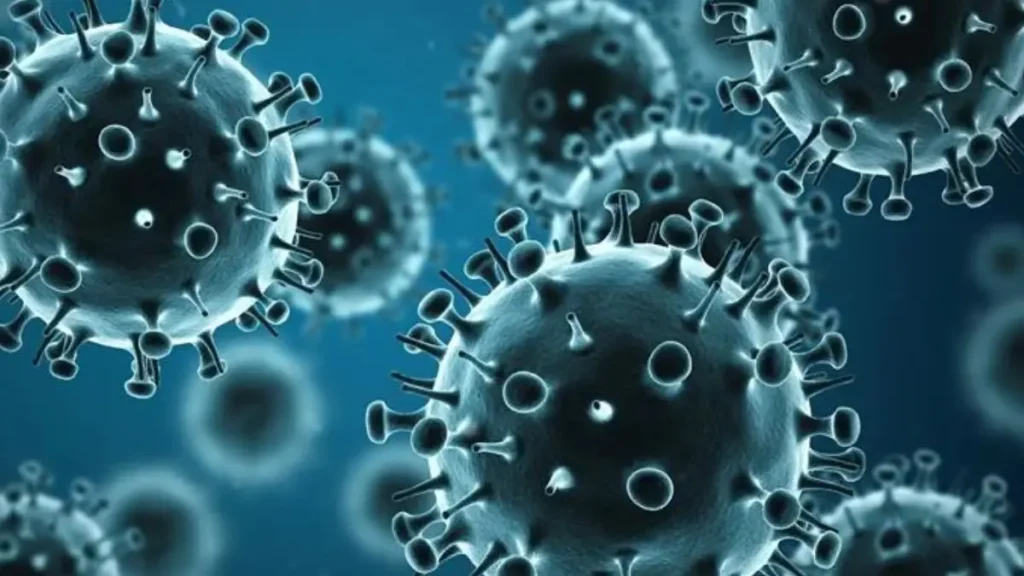
H1N1 swine flu India: Understand why H1N1 is spreading, its symptoms, transmission, prevention, 2009 pandemic background and key exam facts for UPSC, PCS, SSC, banking, railways and defence exams.
H1N1 Swine Flu Cases Rise in India
India is witnessing increased attention toward H1N1 swine flu, an influenza infection caused by the Influenza A(H1N1) virus. The virus, which became globally prominent during the 2009 pandemic, now circulates as a seasonal influenza strain. Recent reports indicate a rise in H1N1 infections in several parts of India, particularly during the monsoon period. Delhi, for example, has recorded more than 1,300 confirmed H1N1 cases in 2026, substantially higher than the corresponding figure reported the previous year.
What Is H1N1 Swine Flu?
H1N1 is a subtype of Influenza A. The designation H1N1 refers to two surface proteins of the virus: Hemagglutinin 1 (H1) and Neuraminidase 1 (N1). Although commonly called swine flu, the virus responsible for the 2009 pandemic and its descendants are now primarily regarded as seasonal human influenza viruses.
Why Is H1N1 Spreading in India?
The spread of H1N1 is influenced by several factors, including seasonal weather conditions, close human contact and respiratory transmission. Influenza viruses can spread through respiratory droplets and aerosols released when an infected person coughs, sneezes or talks. Transmission may also occur after touching contaminated surfaces and subsequently touching the mouth, nose or eyes.
Monsoon Conditions and Respiratory Infections
The monsoon season can create conditions that favour the transmission of respiratory infections. Increased time spent indoors, crowded environments and changing humidity can facilitate person-to-person transmission. India also experiences seasonal influenza activity at different times of the year, making surveillance particularly important during periods of increased respiratory illness.
Common Symptoms of H1N1
H1N1 symptoms can resemble those of ordinary seasonal influenza. Common symptoms include fever, cough, sore throat, runny nose, headache, body aches, chills and fatigue. Some patients may also experience gastrointestinal symptoms such as nausea, vomiting or diarrhoea. Symptoms alone, however, cannot reliably distinguish H1N1 from other respiratory infections.
Who Is at Greater Risk?
Most influenza infections are mild, but complications can occur in vulnerable individuals. Older adults, young children, pregnant women and people with certain underlying health conditions may face a higher risk of severe illness. Serious complications can include pneumonia, respiratory distress and hospitalisation.
Prevention and Public Health Measures
Preventive measures remain important when influenza activity rises. Maintaining hand hygiene, covering the mouth and nose while coughing or sneezing, avoiding close contact when ill and improving respiratory hygiene can help reduce transmission. Influenza vaccination can also provide protection against circulating influenza strains and is particularly relevant for people at higher risk, subject to medical advice and prevailing vaccination recommendations.
Why H1N1 Is Important for Government Exams
H1N1 is an important topic for UPSC, State PCS, SSC, banking, railways, defence, police and teaching examinations because it connects current affairs with biology, public health and disaster-management concepts. Aspirants should remember that H1N1 is a subtype of Influenza A, that the virus responsible for the 2009 pandemic continues to circulate as seasonal influenza, and that respiratory transmission plays a major role in its spread.
Current Situation and Need for Vigilance
The recent increase in reported infections demonstrates the importance of disease surveillance and early medical attention. In July 2026, Nagpur reported its first confirmed H1N1-related death of the year amid a rise in cases, prompting stronger surveillance by local health authorities.
Why This News Is Important
Relevance to Public Health
The rise in H1N1 cases is significant because influenza can spread rapidly through communities, especially when people live, study or work in close proximity. Monitoring seasonal influenza activity helps public-health authorities identify increases in infections and strengthen preparedness.
Importance for Competitive Examinations
For government-exam aspirants, H1N1 is an important example of a communicable disease and respiratory viral infection. Questions can be framed around the virus’s classification, transmission, symptoms, prevention and the 2009 pandemic. Candidates should particularly remember the connection between H1N1 and Influenza A.
Link with Seasonal Disease Surveillance
The recent increase also highlights the importance of disease surveillance in India. Health authorities monitor influenza-like illness and severe acute respiratory infections to identify changes in disease activity and support timely public-health responses.
Importance of Preventive Healthcare
The situation reinforces the role of preventive healthcare. Hygiene, respiratory etiquette, timely medical consultation and appropriate vaccination strategies can help reduce the impact of influenza, particularly among vulnerable populations.
Lesson from Earlier Outbreaks
India’s experience with H1N1 has demonstrated that influenza outbreaks can place pressure on healthcare systems. The country witnessed significant H1N1 outbreaks following the 2009 pandemic, including a major resurgence in 2015. Historical experience therefore remains relevant to present-day disease preparedness.
Historical Context: Background of H1N1 Swine Flu
Emergence of the 2009 H1N1 Pandemic
H1N1 became a major global public-health concern in 2009, when a novel Influenza A(H1N1) virus spread rapidly across countries. The outbreak was initially referred to as swine flu because the virus contained genetic components associated with influenza viruses found in pigs. It subsequently became established as a seasonal human influenza virus.
H1N1 in India
India reported its first confirmed H1N1 case during the 2009 pandemic. The disease subsequently spread across different parts of the country and required extensive public-health surveillance and treatment preparedness. The experience helped strengthen India’s capacity to respond to influenza outbreaks.
Major Outbreak in 2015
India experienced another major H1N1 outbreak in 2015, when tens of thousands of cases were reported and more than 2,000 deaths had been recorded by March according to contemporary reporting. Rajasthan and Gujarat were among the severely affected states.
From Pandemic Virus to Seasonal Influenza
The H1N1 virus associated with the 2009 pandemic did not disappear after the pandemic ended. The A(H1N1)pdm09 virus continued circulating and became one of the seasonal influenza viruses affecting humans. This explains why H1N1 continues to appear in disease surveillance reports years after 2009.
Key Takeaways from H1N1 Swine Flu: Why Is It Spreading in India?
| S. No. | Key Takeaway |
|---|---|
| 1 | H1N1 is a subtype of Influenza A and is commonly known as swine flu. |
| 2 | H1N1 refers to Hemagglutinin 1 and Neuraminidase 1, two surface proteins used to classify Influenza A subtypes. |
| 3 | The virus spreads primarily through respiratory transmission, including droplets and aerosols from infected people. |
| 4 | The 2009 H1N1 pandemic was a major global public-health event, after which the virus became established as seasonal influenza. |
| 5 | India has experienced significant H1N1 outbreaks in the past, including a major 2015 outbreak, making influenza surveillance and preparedness important. |
FAQs
1. What is H1N1 swine flu?
H1N1 swine flu is a respiratory infection caused by an Influenza A virus subtype. The term H1N1 refers to two viral surface proteins, Hemagglutinin 1 (H1) and Neuraminidase 1 (N1).
2. Why is H1N1 also called swine flu?
It was called swine flu because the virus identified during the 2009 pandemic contained genetic material associated with influenza viruses found in pigs. The pandemic virus subsequently became established as a seasonal human influenza virus.
3. When did the H1N1 pandemic occur?
The H1N1 pandemic occurred in 2009 and spread rapidly across many countries, creating a major global public-health emergency.
4. How does H1N1 spread?
H1N1 primarily spreads through respiratory droplets and aerosols released when an infected person coughs, sneezes or talks. Transmission can also occur through contaminated hands or surfaces followed by touching the face.
5. What are the common symptoms of H1N1?
Common symptoms include fever, cough, sore throat, runny nose, headache, body aches, chills and fatigue. Some people may also experience vomiting, nausea or diarrhoea.
6. Who is more vulnerable to severe H1N1 infection?
Young children, older adults, pregnant women and people with certain underlying health conditions may have a higher risk of developing complications from influenza.
7. What are the possible complications of H1N1?
Severe H1N1 infection can lead to complications such as pneumonia, respiratory difficulties and hospitalisation, particularly among vulnerable individuals.
8. What does H1N1 stand for?
H1N1 refers to the combination of Hemagglutinin type 1 (H1) and Neuraminidase type 1 (N1), two proteins on the surface of the Influenza A virus.
9. Why is H1N1 important for competitive examinations?
H1N1 connects current affairs with biology, communicable diseases, public health and disaster management. Questions may be asked in UPSC, State PCS, SSC, banking, railways, defence, police and teaching examinations.
10. What was significant about 2009 in relation to H1N1?
In 2009, a novel Influenza A(H1N1) virus caused a global pandemic. The virus later continued circulating as a seasonal influenza virus.
Some Important Current Affairs Links

