
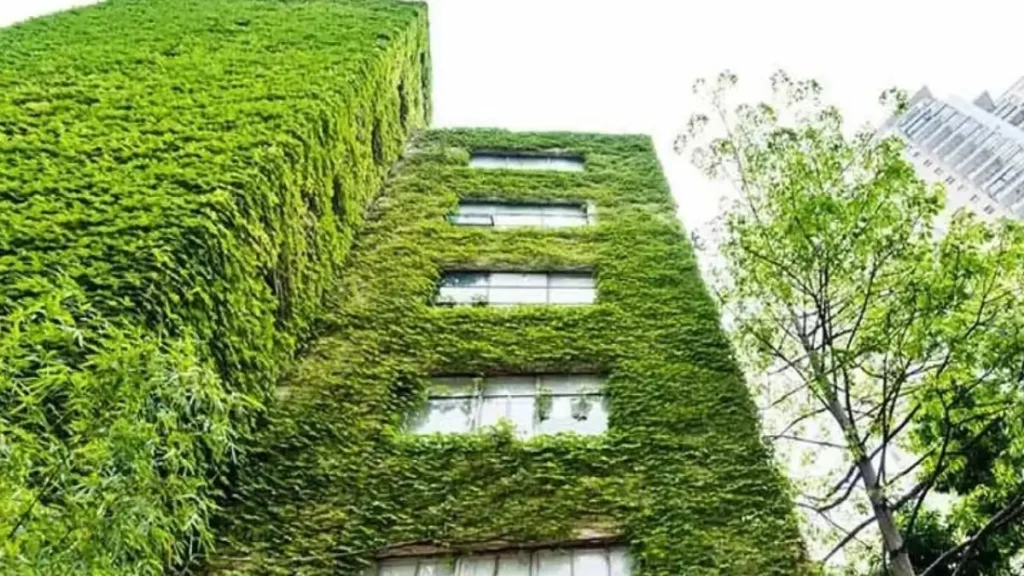
Green real estate in India LEED certification ranking highlights India’s global leadership in sustainable buildings and environmental development for competitive exams.
Green Real Estate Surges: India Tops Global Charts in LEED Certifications
India Emerges as a Global Leader in Sustainable Real Estate
India has achieved a remarkable milestone in the global real estate sector by securing the second-highest share of Leadership in Energy and Environmental Design (LEED)-certified green building space in the world for the year 2025, excluding the United States. According to the U.S. Green Building Council (USGBC) and Green Business Certification Inc. (GBCI), India recorded an impressive 16 million gross square meters (GSM) of green building space with LEED certification spread across more than 7,500 projects nationwide. This feat underlines India’s rapid transition towards sustainable and energy-efficient urban infrastructure.
Green real estate has shifted from being a niche concept to a mainstream priority in India’s construction landscape. Sustainable development principles like lower carbon emissions, reduced energy consumption, optimized water usage, and eco-friendly building operations are now key considerations for developers and policymakers alike. As a result, real estate projects across commercial, industrial, residential, institutional, and hospitality sectors are increasingly seeking LEED certification to align with global sustainability standards and attract green investments.
What Is LEED Certification and Why It Matters
LEED (Leadership in Energy and Environmental Design) is a globally recognized green building rating system developed by the USGBC. The certification evaluates buildings based on their performance in energy efficiency, water conservation, indoor environmental quality, material sustainability, and reduced carbon footprint. Buildings that achieve LEED certification adhere to strict criteria that ensure operational sustainability, environmental protection, and healthier living and working environments.
LEED certification is not just a badge—it represents long-term economic and environmental benefits. Green buildings typically have lower operational costs due to efficient energy systems, they contribute less to pollution and carbon emissions, and they enhance occupant well-being and productivity. As global concerns around climate change intensify, LEED certification has become a strategic objective for nations committed to eco-friendly urbanization and climate resilience.
India’s Green Building Journey and Growth Trends
India’s strong performance in the LEED rankings points to significant growth in sustainable construction practices. Developers are increasingly focusing on LEED Operations & Maintenance (LEED O+M) – which measures the continuous environmental performance of existing buildings rather than only new constructions. This shift indicates that Indian companies and building owners are now retrofitting older buildings and improving efficiency across entire real estate portfolios.
Moreover, the diversification of LEED-certified projects beyond office buildings—extending into manufacturing units, educational institutions, warehouses, and retail centres—demonstrates an expanding green realty ecosystem. With global investors prioritizing ESG (Environmental, Social, Governance)-aligned assets, LEED certification significantly boosts property market value and investor confidence.
India’s Position in Global LEED Rankings
While the United States dominates the LEED landscape with the largest share of certified building space globally, India has outpaced many developed economies to secure its prominent position. China leads among non-US nations, followed by India’s rapidly growing LEED portfolio. This ranking reflects not just a statistical milestone but India’s emerging leadership in sustainable construction and its contribution to global climate goals.
Green Real Estate: An Investment Magnet and Policy Priority
India’s performance in LEED certifications is also aligned with its national climate agenda and international commitments toward carbon reduction and sustainable development. With urbanization accelerating across major Indian cities, green building adoption plays a critical role in reducing urban pollution, conserving resources, and creating resilient cities. Real estate companies are increasingly adopting innovative technologies such as smart energy management systems, rainwater harvesting, and sustainable material sourcing to meet LEED standards.

Why This News Is Important
Critical for Government Exam Aspirants
The surge in green real estate and India’s global leadership in LEED certifications highlights key national priorities that frequently appear in current affairs sections of competitive examinations such as UPSC Civil Services, SSC, Banking, Railways, Teaching, and Defence exams. Understanding this news allows students to connect sustainable development goals with real-world policies and investment trends.
Strengthening India’s Sustainable Development Narrative
India’s achievement emphasizes its commitment to environmentally responsible infrastructure and climate action, aligning with global frameworks like the United Nations Sustainable Development Goals (SDGs). Exam questions often focus on how countries are integrating sustainability in national development plans; thus, India’s LEED rankings provide a tangible case study.
Relevance Across Sectors
For banking and finance exams, LEED-certified projects signal growing investment avenues in green finance, ESG bonds, and sustainable infrastructure funding. Railways and defence sector aspirants may be tested on eco-friendly infrastructure development in stations or cantonments adopting green building standards. Teaching and civil services candidates should note how policy frameworks, global rankings, and sustainable practices influence national planning.
Historical Context
Evolution of Green Building and LEED in India
Introduction of LEED in India
India adopted the LEED certification system as part of the global green building movement to promote sustainable construction practices across the built environment. The system was introduced to help assess and encourage structures that optimize resource use while minimizing environmental impact.
Growth Over the Years
Over the past decade, India has seen a steady increase in LEED-certified projects, beginning with a handful of pioneering commercial buildings and expanding rapidly into large industrial parks, residential complexes, educational campuses, and retail hubs. This growth has been driven by corporate ESG commitments, global investment trends, and government incentives for energy efficiency.
Policy Push and Climate Commitments
India’s climate policies, including the National Action Plan on Climate Change (NAPCC) and commitments under the Paris Agreement, have strengthened focus on sustainable urban infrastructure. Grants, tax incentives, and regulatory support for green technologies have encouraged builders to pursue LEED certification.
Key Takeaways from Green Real Estate Milestone
| S.No. | Key Takeaway |
|---|---|
| 1 | India ranked second globally (outside the US) in total LEED-certified green building space in 2025 with 16 million GSM. |
| 2 | Over 7,500 projects in India attained LEED certification in 2025. |
| 3 | LEED certification evaluates buildings on energy efficiency, sustainability, water conservation, and reduced carbon emissions. |
| 4 | India’s growth in LEED O+M (Operations & Maintenance) highlights focus on performance improvement of existing buildings. |
| 5 | Adoption of green building standards supports India’s climate goals and sustainable urban development. |
FAQs: Green Real Estate and LEED Certifications
1. What is U.S. Green Building Council and what role does it play in green buildings?
The U.S. Green Building Council (USGBC) is an international nonprofit organization that developed the LEED rating system. It promotes sustainable building practices worldwide by setting standards for energy efficiency, water conservation, and environmental sustainability.
2. What does LEED stand for and why is it important for exams?
LEED stands for Leadership in Energy and Environmental Design. It is important for competitive exams because it is linked to environmental sustainability, climate policy, and infrastructure development—frequent topics in UPSC, SSC, and banking exams.
3. How did India perform in global LEED rankings?
India ranked second globally (excluding the United States) in terms of total LEED-certified green building space, showcasing its leadership in sustainable real estate.
4. What are the benefits of LEED-certified buildings?
LEED-certified buildings reduce energy consumption, conserve water, lower carbon emissions, and improve indoor environmental quality, resulting in long-term economic and environmental benefits.
5. How does green real estate support India’s climate commitments?
Green real estate helps reduce greenhouse gas emissions and supports India’s international climate goals under agreements like the Paris Agreement.
6. What is LEED O+M?
LEED Operations and Maintenance (O+M) is a certification category that focuses on improving the environmental performance of existing buildings rather than just new constructions.
7. Why is this topic relevant for government job aspirants?
It connects environmental policy, sustainable urbanization, and economic development—key themes in civil services, teaching, and other government exams.
8. Which sectors are adopting green building practices in India?
Commercial offices, educational institutions, manufacturing units, residential complexes, and retail spaces are increasingly adopting green standards.
Some Important Current Affairs Links

