
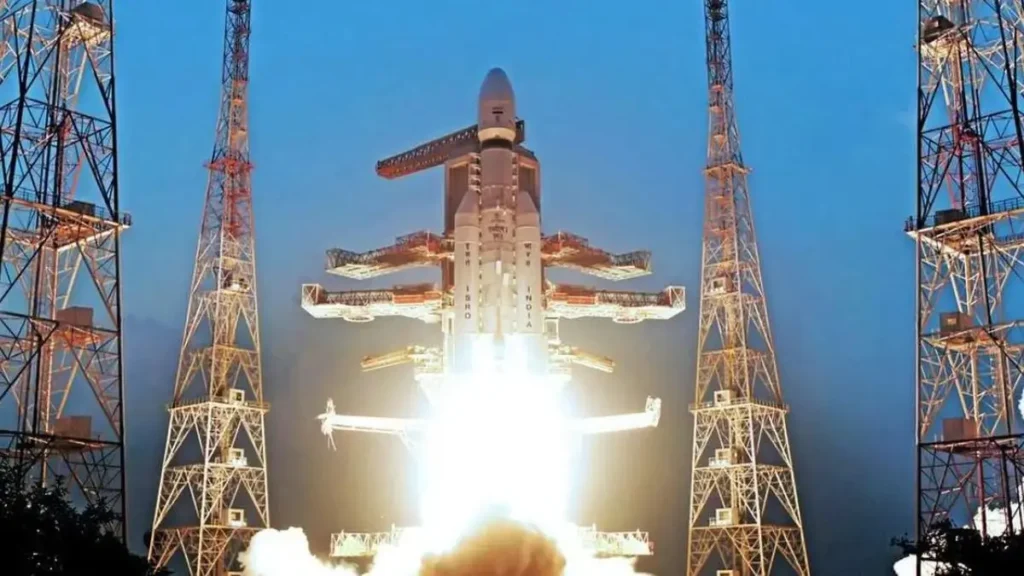
Gaganyaan 2026 and Artemis-II Human Space Missions are set to advance human spaceflight. Learn about India’s first uncrewed Gaganyaan test and NASA’s crewed lunar orbit mission in 2026.
Gaganyaan and Artemis-II: Landmark Human Space Missions of 2026
Introduction to 2026’s Historic Space Missions
The year 2026 is set to be pivotal for human space exploration, marked by two ambitious missions — India’s Gaganyaan and NASA’s Artemis-II — both aiming to advance human space travel on different fronts. India’s first uncrewed Gaganyaan mission will test vital systems for future crewed flights, while NASA’s Artemis-II will break a decades-long hiatus in deep-space missions by sending astronauts around the Moon.
Gaganyaan Mission: India’s Giant Leap in Space
Overview of Gaganyaan Programme
The Gaganyaan mission represents India’s push toward independent human spaceflight, developed by the Indian Space Research Organisation (ISRO). It aims to establish India as one of the few nations capable of launching humans into space and safely returning them to Earth.
Uncrewed G1 Test Mission Details
The first mission under this programme, Gaganyaan-1 (G1), is planned as an uncrewed test flight, scheduled for early 2026. It will be launched by the LVM3 (Gaganyaan-Mk3) rocket, which has been human-rated — meaning it meets safety standards required for future crewed launches.
Role of Vyommitra Humanoid Robot
Onboard the G1 mission will be Vyommitra, a humanoid robot designed to simulate astronaut functions and monitor spacecraft systems. This onboard simulation will provide crucial data on life-support systems, communications, re-entry procedures, and recovery operations, forming the technological backbone for India’s future crewed space missions.
Objectives and Expected Achievements
Gaganyaan’s uncrewed test will validate key mission elements including:
- Life-support and environmental systems
- Crew module performance
- Communication and telemetry systems
- Re-entry and sea splashdown recovery mechanisms
Success in these areas is essential before astronauts are launched.
Artemis-II Mission: Humanity’s Return Beyond Earth Orbit
NASA’s Deep-Space Mission
The Artemis-II mission, led by NASA (National Aeronautics and Space Administration), marks a monumental return to deep-space exploration, with the first crewed flight beyond Earth’s orbit since Apollo-17 in 1972.
Crew and Spacecraft Details
Set to launch no earlier than February 5, 2026, the mission will carry four astronauts aboard the Orion spacecraft, propelled by NASA’s powerful Space Launch System (SLS) rocket.
Mission Duration and Goals
This 10-day mission will not land on the Moon but will travel around it, testing:
- Deep-space navigation systems
- Radiation protection and life-support functions
- Long-duration crewed operations beyond low-Earth orbit
The insights gathered will help prepare for future missions, including Artemis-III, which aims for a lunar surface landing.
Significance of 2026 Missions for Global Space Exploration
The simultaneous progress of Gaganyaan and Artemis-II signifies a shift toward a multipolar space era — where multiple nations contribute to expanding the frontiers of human space exploration. India’s advancements enhance access to low-Earth orbit, while NASA’s mission reasserts deep space human exploration. Together, these missions influence emerging space technologies, international cooperation, and future interplanetary missions including lunar bases and Mars expeditions.

Why This News Is Important for Government Exam Aspirants
Space Technology & Strategic Importance
Understanding these missions is crucial for aspirants in exams like Civil Services (IAS/PCS), Banking, Railways, Defence, and Teaching, especially under Science & Technology, International Relations, and General Awareness sections. The Gaganyaan mission underscores India’s technological prowess and growing space ambitions, reflecting national priorities and scientific progress. In contrast, Artemis-II highlights global cooperation and leadership in space exploration, themes relevant for questions on foreign policy and technological competitiveness.
Relevance to Current Affairs & Future Trends
These missions also represent broader trends in STEM innovation, space policy, and international collaboration — all high-yield topics in competitive exams. Being familiar with such developments helps aspirants answer questions on space programmes, government initiatives, and science-driven national goals with depth and clarity.
Historical Context
Background of Gaganyaan
The Gaganyaan programme was announced by the Government of India as an effort to send Indian astronauts into space aboard an Indian spacecraft. Its objective is to demonstrate indigenous human spaceflight capability — building on ISRO’s success with unmanned missions like Chandrayaan and Mangalyaan. Delays due to global challenges have shifted timelines, but rigorous testing phases involving uncrewed missions are planned to ensure astronaut safety and mission success.
Artemis Programme Origins
NASA’s Artemis programme was launched to return humans to the Moon and eventually to Mars, picking up the thread of lunar exploration after the last Apollo mission in 1972. Artemis-II represents the first crewed step in this modern programme, emphasizing advanced technologies, long-duration life-support systems, and international collaboration.
Key Takeaways from “Gaganyaan and Artemis-II: Landmark Human Space Missions of 2026”
| S.No. | Key Takeaway |
|---|---|
| 1 | Gaganyaan-1, India’s first uncrewed test mission, is planned for early 2026 to validate spaceflight systems. |
| 2 | Vyommitra, a humanoid robot, will be onboard to simulate astronaut functions. |
| 3 | Artemis-II, scheduled for February 2026, will be the first crewed lunar-orbit mission since Apollo. |
| 4 | NASA’s Orion spacecraft and SLS rocket will test deep-space systems critical for future lunar landings. |
| 5 | These missions collectively signify a multipolar era in global space exploration and advancements in human spaceflight capabilities. |
FAQs: Frequently Asked Questions
1. What is the Gaganyaan mission 2026?
The Gaganyaan mission 2026 is India’s first human spaceflight programme led by ISRO. It aims to send astronauts into space using an indigenous crew module. The initial mission, Gaganyaan-1, will be an uncrewed test flight to validate critical spacecraft systems such as life support, communication, and re-entry mechanisms, preparing for future crewed missions.
2. Who is Vyommitra, and what is its role in the Gaganyaan mission?
Vyommitra is a humanoid robot onboard the Gaganyaan-1 mission. It simulates astronaut functions, monitors spacecraft systems, and helps in evaluating life-support and safety protocols. Vyommitra’s data ensures that the crew module systems are safe and operational for human astronauts.
3. What is the Artemis-II mission and its objective?
Artemis-II is NASA’s first crewed mission beyond Earth orbit since 1972, scheduled for February 2026. Its objective is to send four astronauts aboard the Orion spacecraft around the Moon. The mission will test deep-space navigation, life-support systems, and long-duration human spaceflight capabilities, paving the way for future lunar landings.
4. What rockets are being used for Gaganyaan and Artemis-II?
- Gaganyaan will be launched using India’s LVM3 (Gaganyaan-Mk3) rocket, a human-rated launch vehicle.
- Artemis-II will use NASA’s Space Launch System (SLS) rocket, which is the most powerful rocket developed by NASA for deep-space missions.
5. Why are Gaganyaan and Artemis-II significant for global space exploration?
Both missions represent a multipolar era in space exploration. Gaganyaan enhances India’s capabilities in human spaceflight, while Artemis-II marks the return of astronauts beyond Earth orbit. They highlight international advancements in space technology, foster global scientific collaboration, and prepare for future lunar and interplanetary missions.
6. When is the first uncrewed Gaganyaan mission scheduled?
The Gaganyaan-1 mission is planned for early 2026, and it will serve as a precursor to India’s crewed space missions.
7. How long will Artemis-II mission last?
The Artemis-II mission will last approximately 10 days, during which the crew will orbit the Moon and test spacecraft systems critical for lunar landings.
Some Important Current Affairs Links

