
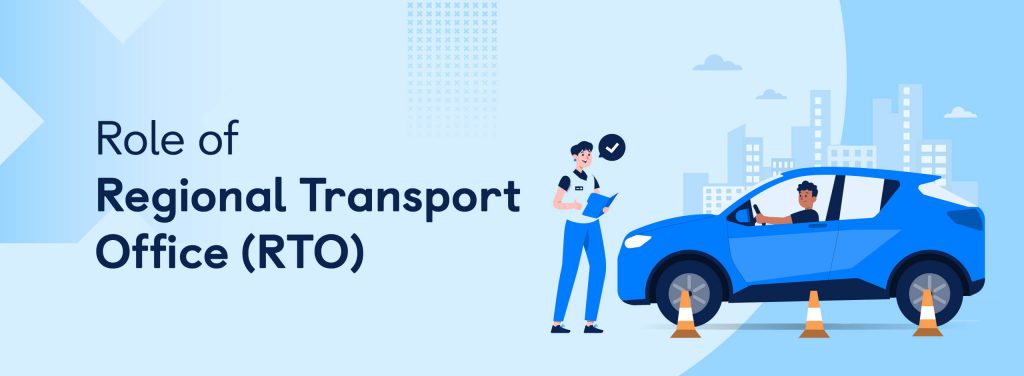
RTO Full Form: Understanding the Role and Functions of Regional Transport Offices
Introduction to RTO
The Regional Transport Office (RTO) plays a crucial role in the transportation system of India. It is an administrative body under the state government responsible for the registration of vehicles and the issuance of driving licenses. The RTO ensures that transportation regulations are adhered to, which contributes to the overall safety and efficiency of road transport.
Functions of the RTO
The primary functions of the RTO include:
- Vehicle Registration: The RTO handles the registration of new vehicles and the transfer of ownership for used ones.
- Issuance of Driving Licenses: It is responsible for testing and issuing driving licenses for various categories of vehicles.
- Regulation Compliance: Ensuring that vehicles meet safety and emission standards.
- Road Safety: Implementing road safety measures and educating the public about traffic rules.
- Tax Collection: Collecting road taxes and fees related to vehicle registration and licensing.
Why This News is Important
Enhancing Road Safety
The RTO’s role in enforcing road safety regulations is critical in reducing accidents and improving the overall safety of road travel. By ensuring vehicles meet safety standards and drivers are properly licensed, the RTO contributes significantly to public safety.
Streamlining Vehicle Registration and Licensing
Efficient vehicle registration and licensing processes help in maintaining a structured record of vehicles and drivers. This streamlines the process for both vehicle owners and the government, reducing bureaucracy and improving efficiency.
Supporting Regulatory Compliance
The RTO ensures that all vehicles adhere to national regulations concerning safety, emissions, and vehicle standards. This regulatory compliance is essential for maintaining environmental standards and ensuring that vehicles do not contribute to pollution.
Historical Context
The concept of a central authority for vehicle registration and driver licensing has evolved over time. Initially, vehicle registration was handled by local authorities, but as the number of vehicles increased, there was a need for a more organized system. The Motor Vehicles Act of 1988 established the framework for the formation and functions of RTOs across India. Since then, the RTOs have been pivotal in managing road transport regulations and ensuring the effective implementation of traffic laws.
Key Takeaways from RTO Full Form
| Serial Number | Key Takeaway |
|---|---|
| 1 | RTO stands for Regional Transport Office. |
| 2 | RTO is responsible for vehicle registration and licensing. |
| 3 | It ensures compliance with safety and emission standards. |
| 4 | The RTO plays a key role in road safety and public awareness. |
| 5 | The framework for RTOs was established under the Motor Vehicles Act of 1988. |
Important FAQs for Students from this News
1. What does RTO stand for?
RTO stands for Regional Transport Office. It is a governmental body responsible for vehicle registration, driving licenses, and enforcing road safety regulations.
2. What are the main functions of the RTO?
The main functions of the RTO include vehicle registration, issuance of driving licenses, ensuring regulatory compliance, collecting road taxes, and promoting road safety.
3. How does the RTO contribute to road safety?
The RTO contributes to road safety by ensuring that vehicles comply with safety and emission standards and that drivers hold valid and appropriate licenses. It also implements road safety measures and educates the public about traffic rules.
4. When was the framework for RTOs established?
The framework for RTOs was established under the Motor Vehicles Act of 1988. This act set the legal basis for the formation and operation of Regional Transport Offices across India.
5. How does vehicle registration work through the RTO?
Vehicle registration through the RTO involves submitting required documents, paying registration fees, and obtaining a registration number. The RTO maintains records of all registered vehicles to ensure compliance with transport regulations.
Some Important Current Affairs Links

