
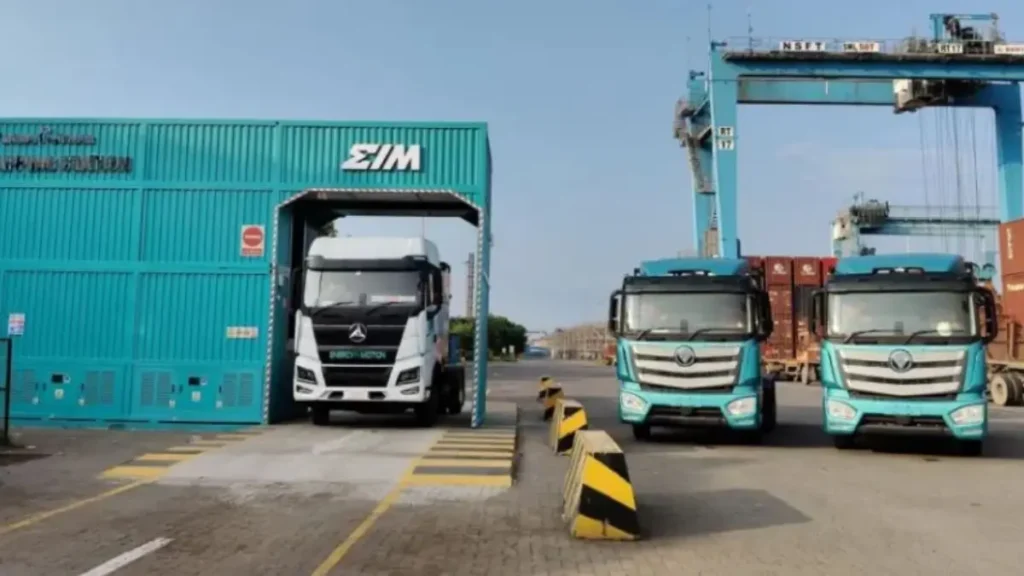
Electric Truck Battery Swapping India: Nitin Gadkari inaugurates the country’s first electric truck battery swapping and charging station in Sonipat, boosting sustainable transport and reducing logistics costs.
🚛 India’s First Electric Truck Battery Swapping Station Inaugurated
On October 8, 2025, Union Minister for Road Transport and Highways, Nitin Gadkari, inaugurated India’s first commercial electric truck battery swapping and charging station at the Delhi International Cargo Terminal (DICT) in Panchi Gujran village, Sonipat district, Haryana. This pioneering facility, developed by Energy in Motion, marks a significant milestone in India’s transition towards sustainable transportation.
🔋 Key Features of the Battery Swapping Station
The newly inaugurated station is designed to facilitate rapid battery swaps for electric trucks, significantly reducing downtime compared to conventional charging methods. Unlike traditional charging, which can take several hours, the battery swapping process at this facility takes approximately seven minutes, allowing for continuous operations and enhanced efficiency in logistics.
🌱 Environmental and Economic Implications
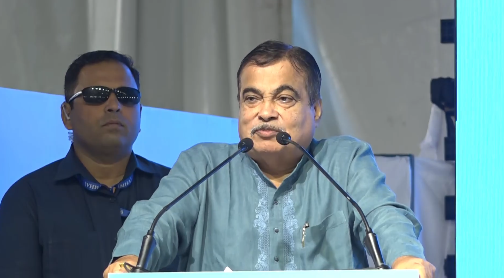
Minister Gadkari emphasized that India spends nearly Rs. 25 lakh crore annually on fuel imports. By adopting alternative energy sources like electricity and biofuels, the country can reduce its import dependency, leading to substantial economic savings. These savings can be reinvested into national development, propelling India towards its goal of becoming a developed nation by 2047.
🚚 Integration with Logistics Infrastructure
The establishment of this battery swapping station is part of a broader initiative to reduce India’s logistics costs, which currently stand at approximately 13-14% of GDP. The government’s target is to bring this figure down to below 9% by December 2026. This will be achieved through the development of multimodal infrastructure, integrating road, rail, and waterways, thereby enhancing the efficiency of goods transportation across the country.
🌾 Support for Farmers and Rural Development
Union Minister for Heavy Industries and Steel, H.D. Kumaraswamy, highlighted the importance of transitioning heavy vehicles to biofuels to further reduce logistics costs and environmental impact. He noted that with technological advances, India is on track to becoming a developed nation by 2047, focusing on cleaner energy solutions for the transportation sector. Additionally, initiatives like ethanol production from agricultural residues aim to provide farmers with alternative income sources, promoting rural development.
🧠 Why This News Is Important
🌍 Alignment with National Goals
The inauguration of India’s first electric truck battery swapping station aligns with the government’s vision of achieving energy independence by 2047 and net-zero emissions by 2070. This initiative supports the Atmanirbhar Bharat mission by reducing reliance on imported fuels and promoting the use of domestically produced biofuels and renewable energy sources.
📈 Economic Benefits
By transitioning to electric and biofuel-powered vehicles, the logistics sector can significantly cut operational costs. The rapid battery swapping technology reduces downtime, leading to increased productivity and cost savings for businesses involved in goods transportation.
🌱 Environmental Impact
The adoption of electric trucks contributes to a substantial reduction in carbon emissions. As trucks account for a significant portion of vehicular emissions, their electrification plays a crucial role in combating air pollution and mitigating climate change effects.
🚛 Implications for Government Exams
For students preparing for government exams, this development is pertinent to topics related to sustainable development, renewable energy policies, and infrastructure development. Understanding the government’s initiatives in these areas is essential for various civil services and public administration exams.
📜 Historical Context
The concept of battery swapping for electric vehicles has been explored globally as a solution to the limitations of conventional charging infrastructure. In India, the adoption of electric vehicles has been slow due to concerns over charging time and infrastructure. The establishment of this battery swapping station marks a significant step towards overcoming these challenges, paving the way for widespread adoption of electric commercial vehicles.
The government’s focus on reducing logistics costs and promoting clean energy solutions reflects a broader strategy to enhance economic efficiency and environmental sustainability. Initiatives like the PM Electric Drive Revolution in Innovative Vehicle Enhancement (PM E-Drive) scheme aim to accelerate the adoption of electric vehicles across various sectors, including transportation and agriculture.
📊 Key Takeaways from “Nitin Gadkari Inaugurates India’s First Electric Truck Battery Swapping Station”
| No. | Key Takeaway |
|---|---|
| 1 | First Battery Swapping Station: India’s inaugural commercial electric truck battery swapping and charging station was launched in Sonipat, Haryana. |
| 2 | Rapid Battery Swap: The facility enables battery replacement in approximately seven minutes, enhancing operational efficiency. |
| 3 | Economic Impact: The initiative aims to reduce India’s Rs. 25 lakh crore annual fuel import bill by promoting alternative energy sources. |
| 4 | Logistics Cost Reduction: The government targets reducing logistics costs to below 9% of GDP by December 2026 through infrastructure development. |
| 5 | Support for Farmers: The promotion of biofuels and ethanol production from agricultural residues provides additional income sources for farmers. |
FAQs: Frequently Asked Questions
Q1: Who inaugurated India’s first electric truck battery swapping station?
A1: Union Minister for Road Transport and Highways, Nitin Gadkari, inaugurated the station in Sonipat, Haryana.
Q2: What is the main advantage of a battery swapping station over traditional charging?
A2: Battery swapping significantly reduces downtime, taking only about seven minutes compared to several hours for conventional charging.
Q3: Which company developed India’s first electric truck battery swapping station?
A3: The station was developed by Energy in Motion.
Q4: How does this initiative contribute to India’s economy?
A4: By promoting electric and biofuel-powered trucks, it helps reduce fuel imports worth Rs. 25 lakh crore annually, saving costs for the economy.
Q5: How will battery swapping stations help reduce logistics costs in India?
A5: Faster charging and swapping reduce operational downtime, increasing efficiency and helping the government achieve its target of reducing logistics costs to below 9% of GDP by 2026.
Q6: What environmental benefits does the battery swapping station provide?
A6: It reduces carbon emissions from diesel trucks, contributing to cleaner air and supporting India’s net-zero emission goals.
Q7: How does this initiative support farmers?
A7: The promotion of biofuels and ethanol from agricultural residues provides farmers with alternative income sources.
Some Important Current Affairs Links

