
Constitution 130th Amendment Bill 2025 introduces removal of Prime Minister and Chief Ministers detained for 30 days on serious charges. Learn provisions, debates, and exam-relevant details for government exams.
Constitution (130th Amendment) Bill – Removal of PM, CMs Detained for 30 Days
Introduction & Overview
On 20 August 2025, the Indian government introduced a landmark legislative initiative – the Constitution (One Hundred and Thirtieth Amendment) Bill, 2025 – along with related amendments under consideration in Parliament This amendment seeks to alter Articles 75, 164, and 239AA of the Constitution to empower the removal of the Prime Minister, Chief Ministers, and other Ministers if they have been arrested and detained for 30 consecutive days on charges punishable with five years or more
Key Provisions of the Bill
Under the amendment, if an official remains in custody for 30 days, they must resign or be removed by the 31st day. For example, the President will remove a detained Prime Minister on the advice of the Prime Minister; similarly, the Governor will remove state Chief Ministers, and the Lieutenant-Governor will perform the same role in Union Territories If no resignation or removal advice is given, the office automatically falls vacant the next day. Importantly, officials are eligible for reappointment after release
Government’s Rationale
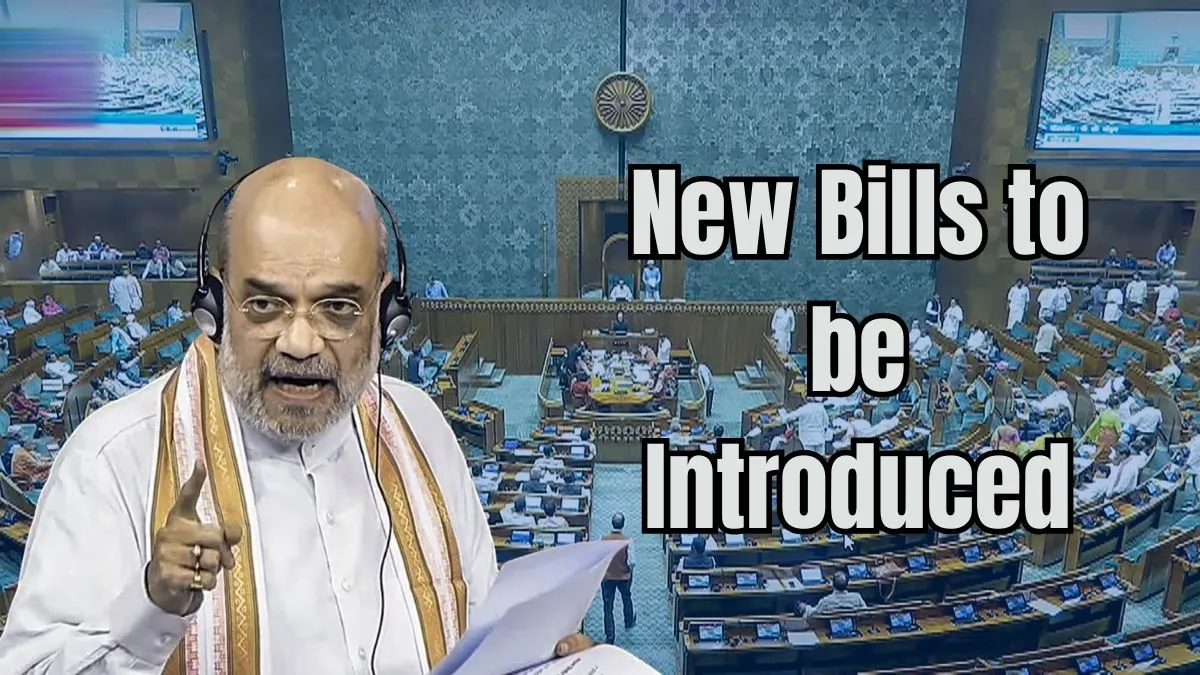
Union Home Minister Amit Shah described the amendment as a necessity to uphold constitutional morality and public trust, arguing that no official should run the government from jail Proponents also compare the amendment to the accountability expected of civil servants, aiming to deter the politicization of judicial custody
Opposition’s Concerns
The Opposition, including Asaduddin Owaisi and Priyanka Gandhi Vadra, reacted vehemently, calling the bill “draconian”, unconstitutional, and a direct threat to democratic processes They warn of misuse against non-BJP leaders, citing past political arrests as potential abuse mechanisms
Political Turmoil & Parliamentary Response
The bill sparked dramatic uproar in the Lok Sabha—with members tearing copies, chanting slogans, and invoking procedural objections As a result, the bill has been referred to a Joint Parliamentary Committee (JPC) for deeper scrutiny
Wider Public and Party Reactions
Some political voices, like Prashant Kishor, support the bill, stating that it prevents governance from jail and addresses a constitutional oversight Conversely, leaders like Mayawati and M. V. Govindan asserted that the amendment could weaken democracy and reflect authoritarian tendencies
Why this News is Important
Upholding Ethical Governance
The proposed amendment tackles an emerging concern: officials allegedly continuing governance while incarcerated. By mandating removal after 30 days of detention, the bill aims to preserve ethical standards in public office and restore citizens’ confidence in impugned leadership
Institutional Checks, Public Trust & Precedent
This bill intersects constitutional law, democratic norms, and executive accountability. It seeks to correct a legislative gap—no prior provision directly addressed prolonged detention of top leaders—and underscores the law’s role in preserving institutional trust
Political Dynamics and Federal Balance
The intense debate highlights tensions between central and state power dynamics. Critics perceive the amendment as a tool for political vendetta, while supporters argue it’s a universal instrument for accountability—revealing a deeper struggle over governance and federalism
Historical Context
Background of Constitutional Amendments
India’s constitutional journey includes the infamous 39th Amendment during the Emergency (1975), which shielded executive authority from judicial scrutiny. It was later ruled unconstitutional, reinforcing that power cannot be above law
Current Need for Accountability
Recent events where leaders such as Arvind Kejriwal and others continued holding office post-arrest have revealed legal gaps. The amendment is seen as a corrective measure, targeting the unethical practice of governing while in custody
Constitutional Mechanics and Prior Precedent
The bill’s approach diverges from earlier constitutional safeguards. A similar provision was once debated during the Constituent Assembly but rejected by Dr. B. R. Ambedkar, who advocated reliance on democratic norms rather than strict legal qualifications
Key Takeaways from the “Removal of Detained Leaders” Amendment Bill
| S.No. | Key Takeaway |
|---|---|
| 1 | Triggered removal after 30 days of continuous detention. Any PM, CM, or Minister held on serious charges for 30 consecutive days must resign or be removed by the 31st day, or else cease to hold office automatically. |
| 2 | Amendments to Articles 75, 164 & 239AA. These amendments extend across the union, states, and Delhi, filling a constitutional void. |
| 3 | Eligibility for reappointment. Once released from custody, the individual may resume office under the amended provisions. |
| 4 | Referrals for parliamentary review. The bill faces strong opposition but has been forwarded to a Joint Parliamentary Committee for detailed examination. |
| 5 | Democratic vs. authoritarian tensions. Supporters view the bill as an accountability tool; critics warn it could be misused for political ends, raising concerns over democratic erosion. |
Frequently Asked Questions (FAQs)
Q1. What is the Constitution (130th Amendment) Bill, 2025?
The Constitution (130th Amendment) Bill, 2025, proposes the removal of the Prime Minister, Chief Ministers, and other Ministers if they remain in custody for 30 consecutive days on charges punishable with five years or more.
Q2. Which Articles of the Constitution does this Bill seek to amend?
The bill seeks to amend Articles 75, 164, and 239AA of the Constitution.
Q3. Who will remove the Prime Minister under the new amendment if detained?
The President of India, on the advice of the Prime Minister, will remove a detained Prime Minister.
Q4. Does this bill disqualify detained leaders permanently?
No. The bill allows reappointment after release from custody.
Q5. What happens if a Prime Minister or Chief Minister refuses to resign after 30 days of detention?
Their office automatically falls vacant on the 31st day of detention.
Q6. Why is the amendment considered controversial?
The Opposition fears misuse against non-BJP leaders, claiming it may be used as a political tool to remove rivals.
Q7. What is the government’s justification for the bill?
The government argues it upholds constitutional morality, ensures accountability, and prevents governance from jail.
Q8. Has any such provision existed earlier in the Constitution?
No. This is the first time such a specific removal mechanism has been proposed for top leaders.
Q9. Where has the Bill been sent for further scrutiny?
The Bill has been referred to a Joint Parliamentary Committee (JPC).
Q10. Which recent cases influenced the introduction of this bill?
Instances of leaders like Arvind Kejriwal continuing to hold office after arrest highlighted the need for legal clarity.
Some Important Current Affairs Links

