
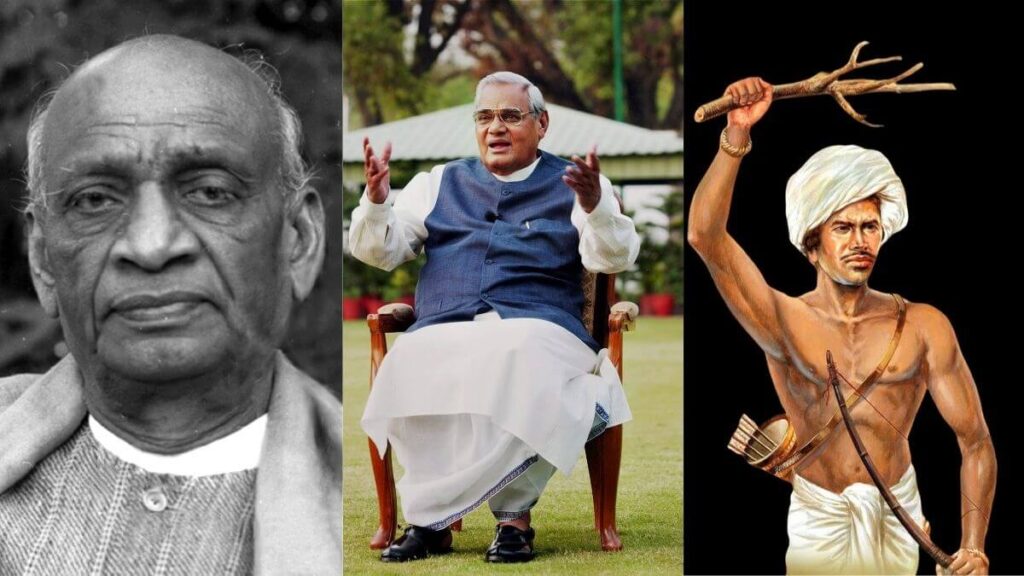
Committees to honor national leaders like Sardar Patel, Atal Bihari Vajpayee, and Birsa Munda have been formed to celebrate their legacies with nationwide events and themed forests, highlighting history and national integration.
Centre Forms Committees to Honour Sardar Patel, Atal Bihari Vajpayee, and Birsa Munda
Introduction: A Tribute to National Icons
On August 25, 2025, the Government of India announced the formation of high-level committees to commemorate the 150th birth anniversaries of Sardar Vallabhbhai Patel and Bhagwan Birsa Munda, as well as the 100th birth anniversary of former Prime Minister Atal Bihari Vajpayee. Prime Minister Narendra Modi will chair these committees, underscoring the government’s commitment to honoring these towering figures in India’s history.
Committee Composition and Mandate
The committees comprise distinguished individuals, including former Presidents Pratibha Patil and Ram Nath Kovind, former Prime Minister H.D. Deve Gowda, and several Governors and Lieutenant Governors. The primary objective is to plan and execute nationwide programs such as seminars, exhibitions, and dialogues to celebrate the legacies of these leaders. Events will be organized not only in Delhi but also across various states, ensuring a pan-India commemoration.
Significance of the Commemorations
Sardar Patel, known as the “Iron Man of India,” played a pivotal role in the integration of princely states into the Indian Union. His leadership in the post-independence era laid the foundation for a unified India. Atal Bihari Vajpayee, a respected statesman, served as Prime Minister and was instrumental in shaping India’s foreign and domestic policies. Bhagwan Birsa Munda was a tribal freedom fighter who led the Munda Rebellion against British colonial rule, advocating for tribal rights and autonomy.
Implementation of Initiatives
In Uttar Pradesh, the state government has initiated the creation of themed forests to honor these leaders. ‘Atal Van’ will commemorate Vajpayee, ‘Ekta Van’ will honor Patel, and ‘Eklavya Van’ will pay tribute to Birsa Munda. These forests aim to promote environmental sustainability and serve as living memorials to the leaders’ legacies.
Conclusion: A Unified Celebration
The formation of these committees and the associated initiatives reflect the government’s dedication to preserving and promoting the contributions of these national icons. By engaging citizens across the country, the celebrations aim to inspire future generations to uphold the values and principles these leaders embodied.
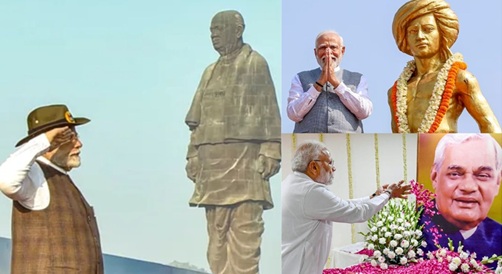
Why This News is Important
Honoring National Icons
The establishment of high-level committees to commemorate the birth anniversaries of Sardar Patel, Atal Bihari Vajpayee, and Birsa Munda highlights the government’s recognition of their significant contributions to India’s independence, unity, and development.
Educational Value for Aspirants
For students preparing for government exams, understanding the roles and legacies of these leaders is crucial. Their contributions are often featured in history, polity, and general studies sections of various competitive exams.
Promotion of National Integration
The nationwide celebrations aim to foster a sense of unity and patriotism among citizens, reinforcing the importance of national integration and collective progress.
Environmental Initiatives
The creation of themed forests in Uttar Pradesh serves as an innovative approach to environmental conservation while simultaneously honoring historical figures, providing a model for sustainable development.
Relevance to Current Affairs
The government’s proactive approach in organizing these events underscores the importance of current affairs in shaping public policy and national discourse, a key area of focus for competitive exams.
Historical Context: Background Information
Sardar Vallabhbhai Patel
Born on October 31, 1875, in Nadiad, Gujarat, Sardar Patel was a prominent leader in the Indian freedom struggle. As the first Deputy Prime Minister and Home Minister of independent India, he was instrumental in the political integration of India. His efforts led to the integration of over 500 princely states into the Indian Union, earning him the title “Iron Man of India.”
Atal Bihari Vajpayee
Atal Bihari Vajpayee, born on December 25, 1924, in Gwalior, Madhya Pradesh, was a respected leader and served as India’s Prime Minister. His tenure was marked by significant developments in infrastructure, foreign policy, and economic reforms. Vajpayee’s leadership during critical moments, including the nuclear tests in 1998, solidified his place in India’s political history.
Bhagwan Birsa Munda
Bhagwan Birsa Munda was born on November 15, 1875, in Ulihatu, Jharkhand. A tribal freedom fighter, he led the Munda Rebellion against British colonial rule in the late 19th century. His movement advocated for tribal rights and autonomy, and he is revered as a martyr and a symbol of tribal pride in India.
Key Takeaways from “Centre Forms Committees to Honour Patel, Vajpayee, Birsa Munda”
| Serial No. | Key Takeaway |
|---|---|
| 1 | Prime Minister Narendra Modi will chair high-level committees to commemorate the 150th birth anniversaries of Sardar Patel and Birsa Munda, and the 100th birth anniversary of Atal Bihari Vajpayee. |
| 2 | The committees aim to organize nationwide events, seminars, and dialogues to celebrate the legacies of these leaders. |
| 3 | Distinguished individuals, including former Presidents and Prime Ministers, are part of these committees. |
| 4 | Uttar Pradesh has initiated the creation of themed forests—’Atal Van,’ ‘Ekta Van,’ and ‘Eklavya Van’—to honor these leaders and promote environmental sustainability. |
| 5 | The government’s initiatives reflect a commitment to preserving the contributions of these national icons and inspiring future generations. |
FAQs: Frequently Asked Questions
1. Who is chairing the committees formed to honor Sardar Patel, Atal Bihari Vajpayee, and Birsa Munda?
Prime Minister Narendra Modi is chairing the high-level committees for these commemorations.
2. What is the purpose of forming these committees?
The committees aim to organize nationwide events, seminars, exhibitions, and dialogues to celebrate the legacies of these leaders.
3. Which high-level personalities are included in these committees?
Former Presidents Pratibha Patil and Ram Nath Kovind, former Prime Minister H.D. Deve Gowda, and several Governors and Lieutenant Governors are part of these committees.
4. What are ‘Atal Van,’ ‘Ekta Van,’ and ‘Eklavya Van’?
These are themed forests in Uttar Pradesh created to honor Atal Bihari Vajpayee, Sardar Patel, and Birsa Munda respectively, promoting environmental conservation while paying tribute to these leaders.
5. Why are these commemorations important for students preparing for exams?
These leaders’ contributions are frequently asked in history, polity, and general studies sections of competitive exams, making it essential to know their legacies.
6. When were Sardar Patel, Atal Bihari Vajpayee, and Birsa Munda born?
- Sardar Patel: 31 October 1875
- Atal Bihari Vajpayee: 25 December 1924
- Birsa Munda: 15 November 1875
7. How do these commemorations promote national integration?
By celebrating these leaders across India, the initiatives foster patriotism, unity, and awareness about India’s freedom struggle and governance achievements.
Some Important Current Affairs Links

